












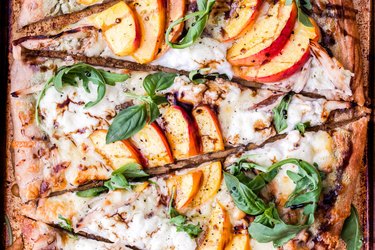




















Dietary strategies to reduce serum triglycerides include limiting your intake of fat -- especially saturated fat. This can be particularly difficult for a cheese lover. Choose fat-free mozzarella and you can satisfy the cheese craving without sabotaging your efforts to improve your blood lipid profile.
About Triglycerides
When you eat, the food that is not immediately utilized for energy is converted to triglycerides, a type of fat that is carried through your bloodstream. These triglycerides are eventually stored in the fat cells of your body where they can be released as an energy source between meals. Patterns of regularly excessive caloric intake can cause a chronic elevation of circulating triglycerides. This is especially true if the excess calories are from carbohydrate, fat and alcohol sources. Consistently elevated triglycerides in the blood is associated with metabolic syndrome, diabetes and heart disease.
Dietary Influences
The American Dietetic Association advises individuals with elevated triglycerides to eat a calorie-controlled diet that avoids extremes in carbohydrate and fat intake. Non-nutrient-dense sources of calories, such as alcohol and added sugar, should be avoided. The Cleveland Clinic recommends paying close attention to reducing your consumption of foods high in refined flour and sugar. They also advise reducing dietary fat, keeping portion sizes small and avoiding late-night snacks.
Mozzarella Cheese
The good news about cheese is that it is not a significant source of refined carbohydrates. The bad news is that regular cheese is high in fat. Whole-milk mozzarella is no exception with a nutrient profile of 6.3 g of fat per 1-oz. serving. Part-skim mozzarella is somewhat better at 4.5 g per oz., while fat-free mozzarella, as the name suggests, contains 0 g of fat per serving. An added benefit of fat-free mozzarella is that it contains 9 g of protein per oz. compared to 6.3 and 7 g per oz. for whole-milk and part-skim mozzarella, respectively. By choosing fat-free mozzarella over whole milk or part-skim mozzarella, you turn a potentially negative food choice into a healthy option.
Other Considerations
Eating more fiber and plant-based foods can improve triglyceride levels. Eating more omega-3 fatty acids can also help. Omega-3 fatty acids are found in fish, flax seeds, nuts, soy and dark green leafy vegetables. Include regular exercise in your strategy to lower your triglycerides. If you are overweight, strive to achieve your ideal body weight.


