If hearing the word "testosterone" gives you visions of men bulking up in the weight room, then read on. This sex hormone is responsible for so much more.
Yes, testosterone plays a role in muscle strength and size, but it's also a key player in the development of the penis and testes and voice deepening in boys during adolescence. It's also important for bone growth, sex drive and sperm production.
Video of the Day
Video of the Day
Testosterone is the main sex hormone in people assigned male at birth (AMAB), but people assigned female at birth (AFAB) also make smaller, but still significant, amounts. It plays an important role in ovarian function and bone strength, according to Harvard Health Publishing.
Testosterone in people AMAB starts to decline one percent each year, starting as early as age 30, according to the Cleveland Clinic. What happens when you don't make enough? Symptoms of low testosterone in people AMAB include:
- Infertility
- Low libido
- Loss of muscle mass
- Loss of body hair
- Depression
- Irritability
If you're concerned about low testosterone, make an appointment with your doctor to know for sure and to get recommendations for treatment.
It's important to know that there haven't been any foods that have been proven to raise testosterone levels, but some that are emerging within the research as ones you might want to try.
Certain eating patterns, such as a higher fat diet, have been shown to increase total testosterone but not free testosterone, according to a December 2020 study in the Journal of Strength and Conditioning Research. This may sound promising, but free testosterone is preferred to assess testosterone levels. Plus, there is no definition of how much fat a "high-fat diet" would translate to an individual.
The big takeaway is to ensure that you have a balanced and nutritious diet that promotes a healthy weight — and that cuts down at least one risk factor in developing low testosterone in the first place.
Related Reading
1. Pumpkin Seeds
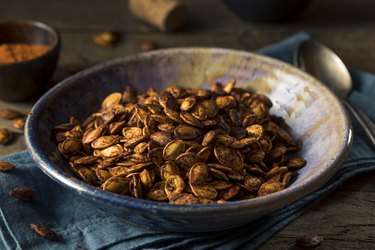
Pumpkin seeds are high in the mineral magnesium, which is important for normal heart function, muscle contraction and blood pressure regulation. It also may help in the production of testosterone.
Researchers gave magnesium to sedentary men and athletes and found that magnesium increased testosterone in both groups, but it was more pronounced in those who were exercising, according to an April 2011 clinical trial in Biological Trace Element Research.
Note that this is only one study and it is not recommended that you supplement with magnesium to try and increase your testosterone, but adding some pumpkin seeds to your meals provides a slew of nutrients that are good for overall health. Other foods with magnesium include bananas, dark chocolate and almonds.
2. Fenugreek Seed Tea
Fenugreek is an herb that's been extensively researched for its effects on testosterone. Nearly all the studies done have shown to increase free or total testosterone levels, or both in some cases, according to a March 2021 review in Endocrines.
The researchers say that fenugreek may work by simply inhibiting testosterone breakdown, but, they are not conclusive on the long-term safety effects of fenugreek. It turns out that fenugreek is safe to take in the amounts found in food, but overdoing it could cause drops in blood sugar and digestive issues, per the National Institutes of Health. Speak with your doctor about drinking fenugreek seed tea if you have issues with your liver.
3. Ashwagandha Tea
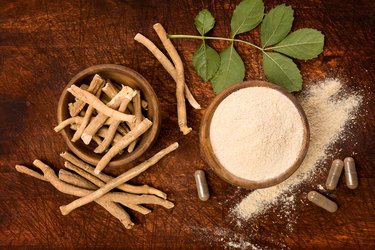
Ashwagandha is rising in popularity and being studied for many benefits, such as muscle strength, fatigue and its role in mental health.
In a randomized double-blind, placebo-controlled study, men with overweight ages 40 to 70 years old had a 14.7 percent increase in testosterone levels after 8 weeks of taking ashwagandha, according to a March 2019 study in the American Journal of Men's Health.
Even with all the potential health benefits of ashwagandha, you still need to be cautious — more is not always better. So just because it may show promise in increasing testosterone levels, doesn't mean you should overdo it. Too much ashwagandha could cause digestive issues and could interfere with some of your current medications, so get the all-clear from your doctor before making this your tea of choice.
4. Salmon
Salmon is rich in vitamin D, which has been studied extensively on the effects on men's health, including testosterone production. While some studies show the benefit of vitamin D in testosterone production, others do not, so there is not a consensus on the benefit.
Vitamin D deficiency has been indicated in low testosterone in men, according to May 2020 research in the Journal of Steroid Biochemistry and Molecular Biology. But that doesn't mean that supplementing with vitamin D will raise your testosterone levels.
A May 2020 review in Clinical Therapeutics concluded there isn't enough evidence to support vitamin D supplementation, but that D was important for testicular and prostate health.
5. Extra-Virgin Olive Oil
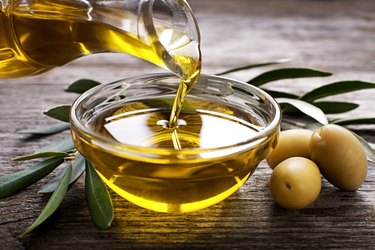
Extra-virgin olive oil is a staple of the popular Mediterranean diet, which is often hailed as a heart-healthy, anti-inflammatory plan.
Plus, following a Mediterranean diet is linked to higher T levels, according to an August 2021 European Society of Cardiology study.
The Mediterranean diet rich in healthy fats, such as oils, nuts, seeds and fatty fish. There is no evidence that adding EVOO to your diet will lead to higher testosterone but it is a smart complement to your diet.
Exercising
Physical activity has been shown to increase testosterone levels, especially in men with overweight or obesity.
A recent study looked at men with and without overweight or obesity and put both groups on a 12-week aerobic exercise program. Baseline testosterone levels were lower in men with overweight and obesity, but after the 12 weeks of exercise, those levels increased significantly, according to a September 2017 study in Experimental and Clinical Endocrinology & Diabetes.
Quitting Smoking
Smoking might lead to low testosterone. In fact, non-smokers have 4 to 9 percent higher testosterone levels than people who smoke, according to a January 2021 study in Healthcare.
This study looked at health data from over 14,000 men and found that smokers did have an increased risk for low testosterone, but concluded that quitting smoking can help prevent it.
Eating a Nutritious Diet
Eating a balanced and nutritious diet is important for overall health, but may be able to keep you at a healthy weight, which can decrease your risk for developing low testosterone.
Researchers studied the diet patterns of more than 3,000 men and found that high LDL cholesterol (aka bad cholesterol) and high triglycerides were associated with lower testosterone levels, but HDL (good cholesterol) was found to be associated with higher testosterone levels, according to January 2021 research in Nutrients.
A diet high in processed meats, organ meats and deep-fried foods was associated with low T levels. These diets were also low in dairy, legumes and dark leafy green vegetables.
So, bump up your intake of nutrient-dense foods such as vegetables, fruits, legumes and beans and whole grains, and cut back on the foods that have the potential to lower your testosterone.
Tip
If you're having low testosterone symptoms, it's important to make an appointment with your doctor who will be able to guide you in the right direction for labs and possible treatment options.
- Harvard Medical School: "Testosterone — What it Does and Doesn't Do"
- Cleveland Clinic: "Low Testosterone (Male Hypogonadism)
- Journal of Strength and Conditioning Research: "Effects of Ketogenic Dieting on Body Composition, Strength, Power, and Hormonal Profiles in Resistance Training Men"
- University of Rochester Medical Center: "Free Testosterone"
- Journal of Steroid Biochemistry and Molecular Biology: "Vitamin D and Sex Steroid Production In Men With Normal or Impaired Leydig Cell Function"
- European Society of Cardiology: "Mediterranean Diet Shows Promise in Men with Erectile Dysfunction"
- Biological Trace Element Research: "Effects of Magnesium Supplementation on Testosterone Levels of Athletes and Sedentary Subjects at Rest and After Exhaustion"
- American Journal of Men's Health: "A Randomized, Double-Blind, Placebo-Controlled, Crossover Study Examining the Hormonal and Vitality Effects of Ashwagandha (Withania somnifera) in Aging, Overweight Males"
- Mayo Clinic: "Male Hypogonadism"
- Experimental and Clinical Endocrinology & Diabetes: "Vigorous Physical Activity is Associated with Regular Aerobic Exercise-Induced Increased Serum Testosterone Levels in Overweight/Obese Men"
- Healthcare: "Prevalence of Low Testosterone According to Health Behavior in Older Adults Men"
- Nutrients: "Association of Testosterone-Related Dietary Pattern with Testicular Function among Adult Men: A Cross-Sectional Health Screening Study in Taiwan"
- Endocrines: "Testosterone Boosters Intake in Athletes: Current Evidence and Further Directions"
- NIH NCCIH: "Fenugreek"
- Clinical Therapeutics: "Reviewing the Evidence on Vitamin D Supplementation in the Management of Testosterone Status and Its Effects on Male Reproductive System (Testis and Prostate): Mechanistically Dazzling but Clinically Disappointing"