

















































Can Acid Reflux Cause Mucous & Wheezing After Eating?

Can Acid Reflux Cause Mucous & Wheezing After Eating?
Photo Credit George Doyle/Stockbyte/Getty Images

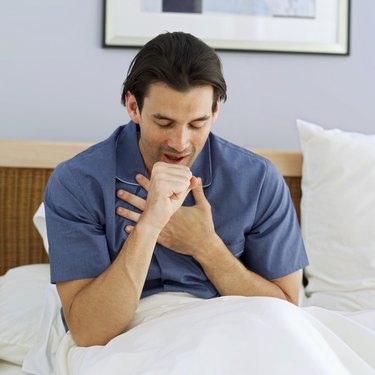
Acid reflux is a condition that causes food to back up from the stomach through the esophagus. Acid reflux can be triggered by eating spicy foods, eating too much, being overweight, wearing tight clothes or exercising too soon after eating. Although acid reflux is characterized by a bad taste in the mouth and acid regurgitation, some people may experience wheezing or may have an excess of mucus in the throat.

Acid Reflux

Acid reflux is the backing up of acid or stomach contents from the stomach to the throat and mouth. This usually occurs when the band of muscles called the lower esophageal sphincter relaxes prematurely, allowing the food to flow back through the esophagus. This band of muscles is located at the bottom of the esophagus and serves as a partition between it and the stomach.

Symptoms

The hallmark symptoms of acid reflux is an acidic taste in the mouth, heartburn and the regurgitation of acid or stomach contents in the mouth. Some people may also experience chest pain or a burning sensation in the stomach and chest. Some children and adults, however, may experience asthma-like wheezing, coughing and difficulty swallowing according to the National Digestive Diseases Information Clearinghouse.

Concerns

Since wheezing and coughing are also symptoms of asthma, the moment you experience them, seek medical attention, especially if you experience them outside of eating. Symptoms of asthma are dry cough, shortness of breath, difficulty breathing and decreased alertness. The wheezing associated with asthma usually comes on suddenly. These are normally symptoms of an asthma attack that require prompt medical attention.

Prevention

The cause of the acid reflux must be determined in order to prevent it. In some cases, it is triggered by eating too much or wearing tight clothes. Some people may experience it after lying down or exercising soon after eating. Avoid these triggers if at all possible. If your acid reflux is triggered by foods, avoid eating spicy, oily or acidic foods and avoid caffeine.

References

Article reviewed by Libby Swope Wiersema Last updated on: Jul 17, 2011

Must see: Photo Galleries