



















Your nose is expertly designed for inspiration. It is lined with small hairs that filter dust and pathogens as we breathe. It also has mucous membranes that warm and add moisture to the air before sending it to your lungs. The nose also self-cleans by trapping particles in mucous or sneezing to expel irritants. However, most people do most of their breathing through the mouth. This may seem easier to do especially during exercise, but doing so can actually trigger your body to hyperventilate, lose energy and become stressed. Try these nose breathing techniques to promote calm and balanced breathing.
Step 1
Practice breathing in through your nose and out through the mouth before doing strenuous exercise. Sit up straight in a chair or cross-legged on the floor with your hands on your knees. Inhale deeply through your nose while keeping your mouth closed. Then, exhale through your mouth. Continue this breathing exercise for several minutes and repeat regularly before exercising and at other times to promote relaxation and energy.
Step 2
Practice deep abdominal breathing to help you breathe through your nose during exercise as well as sleep. Lay on your back on a firm mat with your hands on your stomach. Breathe in through your nose so that your stomach rises and then falls as you exhale through your mouth.
Step 3
Try alternate nostril breathing to correct breathing habits during exercise. Sit up straight on a firm chair or on an exercise mat. Use the index finger or thumb of one hand to apply gentle pressure to the side of one nostril to close it. Breathe in through the other, open nostril for about two seconds. Breathe out through your mouth and repeat by inhaling with the other nostril. This exercise helps you become accustomed to breathing through your nose instead of your mouth while working out.
Tips and Warnings
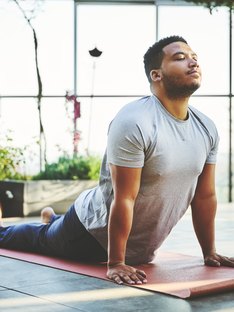
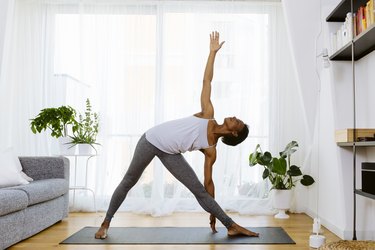
- Before beginning strenuous exercise, such as running or jogging, practice nose breathing while doing other forms of exercise such as pilates, yoga or light weight lifting. If you breathe through your mouth while sleeping, you may wake up feeling very thirsty and have a dry mouth. Consult your doctor about a chin strap to help you change your breathing habits. If you snore or have sleep apnea, you may also require medical treatment before you can change your breathing.
- Do not breathe in forcefully or too quickly. This can lead to hyperventilation and dizziness. If you have asthma, breathing exercises can help reduce symptoms, however, it is important to consult a doctor or exercise therapist to ensure that you are doing the breathing exercises correctly.
Things You'll Need
- Exercise mat
- Firm chair


