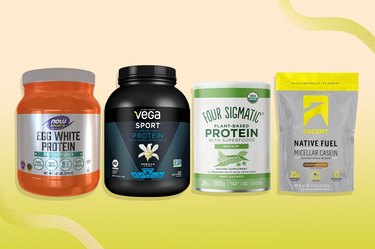
Protein powders can be a convenient, nutritious addition to your diet — especially if you have a busy schedule.
But there are so many protein powders out there and they often serve different purposes, so it can be hard to decide which one is right for you. That's why we asked dietitians for their recommendations, along with some expert advice on what to look for when choosing a protein powder.
Video of the Day
Video of the Day
First, you'll want to choose your protein source. The main animal-based picks include:
- Whey: made from cow's milk and absorbed quickly by the body
- Casein: made from cow's milk and absorbed more slowly
- Egg white: made from egg whites
- Collagen: made from the skin and bones of cattle and pigs, fish scales and eggshells
The main plant-based protein powders include:
- Pea protein: made from peas
- Rice protein: made from rice, usually brown rice
- Hemp protein: made from hemp
- Soy protein: made from soybeans
- Vegan: made from one or more of the ingredients above and contains no animal products
Now that you know your stuff, let's get started!
1. Best Organic Protein Powder: Four Sigmatic Superfood Protein With Chaga Mushroom and Ashwagandha
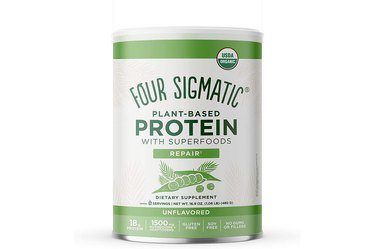
Per 1 scoop: 120 calories, 2.5 g fat, 170 mg sodium, 8 g total carbs, 2 g sugar, 18 g protein
"This is a multi-tasking vegan protein powder," says Christina Meyer-Jax, RD, a dietitian and health advisor for Lifesum and Gympass. This plant-based protein powder contains 18 grams of the macro from organic hemp protein powder, organic pea protein, organic chia, organic pumpkin protein and organic coconut protein.
It also contains immune-supporting mushrooms and adaptogens with no additives, artificial ingredients or fillers. Plus, it's USDA-Certified Organic, as well as gluten-free, soy-free and dairy-free.
Buy it: Amazon.com; Price: $29.99
2. Best Protein Powder for Weight Loss: 138 Foods Pea Protein Powder
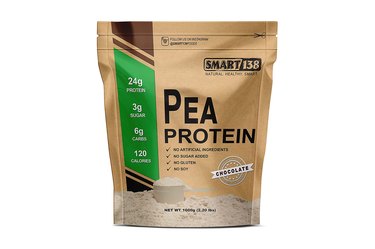
Per 1 scoop: 120 calories, 1 g fat, 210 mg sodium, 6 g total carbs, 3 g sugar, 24 g protein
Contrary to popular belief, protein powder doesn't only beef you up — it can also help you manage your weight. And this pea-based powder is one of the more popular protein powders for weight loss.
"This pea protein contains high levels of branched-chain amino acids (BCAAs) that keep you full and strengthen muscles," Meyer-Jax says. "This smooth texture powder can blend with berries and spinach for added fiber that will synergistically keep hunger away."
"This is a simple, non-GMO, raw yellow pea protein providing 24 grams of vegan protein per serving," Meyer-Jax says. It's soy-free, dairy-free and gluten-free, with all nine essential amino acids.
Buy it: Amazon.com; Price: $39.99
3. Best Whey Protein Powder: Optimum Nutrition Gold Standard Whey
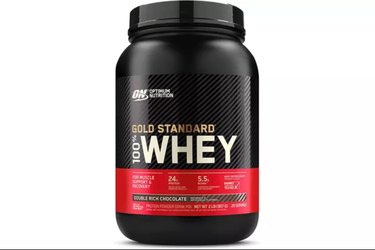
Per 1 scoop: 120 calories, 1.5 g total fat, 50 mg sodium, 3 g carbs, 1 g sugar, 24 g protein
This is a whey blend that includes whey protein isolate and whey protein concentrate. It's also gluten-free, keto-friendly, contains no added sugar and has over 5 grams of BCAAs to help you build muscle mass.
This powder comes in several delicious flavors, including Chocolate Hazelnut, Chocolate Malt, Chocolate Peanut Butter, Mocha Cappucino, Rocky Road and more.
Buy it: Amazon.com; Price: $29.33
4. Best Vegan Protein Powder: Vega
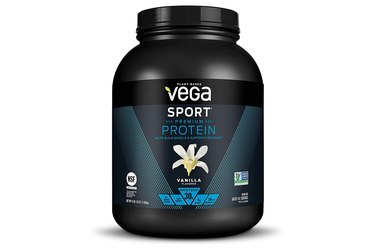
Per 2 scoops: 280 calories, 8 g total fat, 12 grams total carbs, 1 g sugar, 220 mg sodium, 20 g protein
This Non-GMO Project Verified protein powder is made from pea protein, flaxseed and hemp, which provide 20 grams of protein — and all nine essential amino acids. A single serving gives you 25 percent of your daily value of 12 vitamins and minerals. Plus, it's an excellent source of vitamin D and antioxidant vitamins A and C, which help support your immune system.
"Vega is a company that has vegetarians and vegans in mind, so many of their products contain essential nutrients that vegans and vegetarians may miss in their diets like iron and vitamin D," says Cassie Christopher, RD, founder of Stress Less Weight Mastery.
Bonus: It comes in many different flavors, including Berry, Caramel, Chocolate, Coconut, Matcha and Peanut Butter, which is great for anyone who is taste-sensitive and/or wants a little diversity in their diet.
Buy it: Amazon.com; Price: $29.33
5. Best Protein Powder for Muscle Gain: Naked Nutrition Weight Gainer
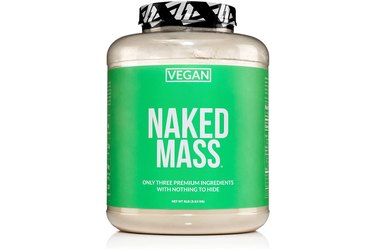
Per 4 scoops: 1,230 calories, 4 g total fat, 248 g total carbs, 24 g sugar, 290 mg sodium, 50 g protein
Meyer-Jax recommends this protein powder because it's made from a blend of whey, casein and organic maltodextrin (which comes from tapioca). "This is a combination that supports optimal muscle protein synthesis."
It's GMO-free, soy-free, gluten-free, dairy-free and has all nine essential amino acids. Each serving (4 scoops) contains 1,230 calories, 50 grams of protein and 10.3 grams of BCAAs.
Buy it: NakedNutrition.com; Price: $64.99
6. Best Protein Powder for a Healthy Gut: Sprout Living Epic Protein Powder
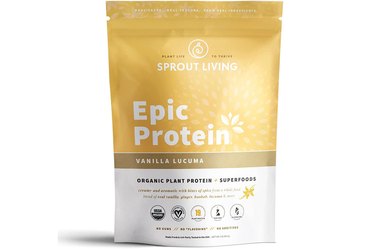
Per 2 scoops: 146 calories, 2 g total fat, 15 g total carbs, 5 g sugar, 183 mg sodium, 19 g protein
"This is a blend of organic plant protein sources (yellow pea, sunflower seed, pumpkin seed, cranberry seed, sacha inchi and Jerusalem artichoke) that combined make it a complete protein similar to animal-based protein sources," Meyer-Jax says.
Meyer-Jax also likes this protein powder because it has probiotics, aka good-for-your-gut bacteria, and nutrient-dense phytonutrients.
Each serving (2 scoops) contains 19 grams of pure plant protein. It's free of sugar and other additives, has all nine essential amino acids and is USDA-Certified Organic.
Buy it: Amazon.com; Price: $26.95
7. Best Casein Protein Powder: Ascent Native Fuel Micellar Casein Protein Powder
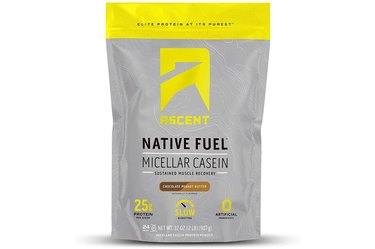
Per 1 scoop: 140 calories, 1.5 g total fat, 6 g total carbs, 0 g sugar, 140 mg sodium, 25 g protein
"Casein is often taken by athletes at night to reduce muscle loss as it is digested more slowly," Christopher says.
Meyer-Jax also says that this type of protein "is ideal for recovery while at rest versus whey protein, which is fast-absorbing and a good post-workout choice."
This protein powder contains zero artificial ingredients, 25 grams of protein per scoop and 11 grams of naturally occurring BCAAs. It's also gluten-free and Informed Choice Certified. It comes in Vanilla, Chocolate and Chocolate Peanut Butter.
Plus, one serving contains nearly 50 percent of the RDA for bone-supporting calcium, says dietitian Kayla Girgen, RD, founder of Nutrition Untapped.
Buy it: Amazon.com; Price: $39.99
8. Best Collagen Protein Powder: Great Lakes Gelatin Collagen Hydrolysate
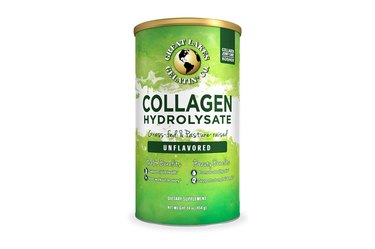
Per 2 scoops: 45 calories, 2 g total fat, 0 g total carbs, 35 mg sodium, 11 g protein
"The long-term benefits of collagen include reducing the appearance of wrinkles and improving joint mobility for people with osteoarthritis," Christopher says.
This grass-fed protein powder is gluten-free and non-GMO, and third-party certified as well as kosher, paleo-friendly and keto-friendly. It also comes in a variety of flavors, including Chai, Apple-Cucumber, Chocolate, Vanilla, Lemon-Lime and Mixed Berry.
"This is a good quality product that is price-sensitive for people who want to see if collagen will benefit their skin or joints," Christopher says.
Buy it: Amazon.com; Price: $25.99
9. Best Egg White Protein Powder: NOW Sports Egg White
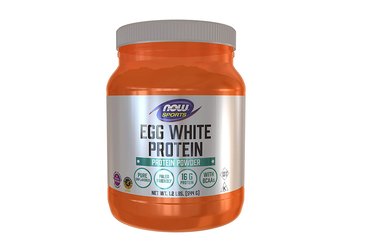
Per 1 scoop: 80 calories, 0 g total fat, 2 g total carbs, 250 mg sodium, 16 g protein
Christopher recommends this protein powder because it contains only one ingredient: egg white powder.
"Egg is a highly bioavailable protein that your body can readily use," she says.
This protein powder has all nine essential amino acids and is Informed Sport Certified, which means that every batch has been rigorously tested for any banned substances.
Buy it: Amazon.com; Price: $20.64
10. Best Personalized Protein Powder: Gainful
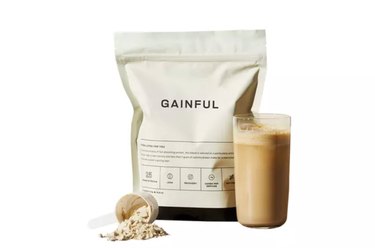
Per 2 scoops: Varies
Marie Salbuvik, RD, a dietitian and fitness expert, recommends this brand because they personalize your protein powder depending on your needs and lifestyle.
All you have to do is go on their website, take their quiz and an RD will customize a formula that's just right for you. Each of the powders has only seven ingredients or fewer and contains all nine essential amino acids. Plus, there's no gluten, soy, fillers or artificial flavors, dyes or sweeteners.
Salbuvik considers this pick "one of the best stevia-free protein powders" she's ever come across.
Buy it: Gainful.com; Price: Varies
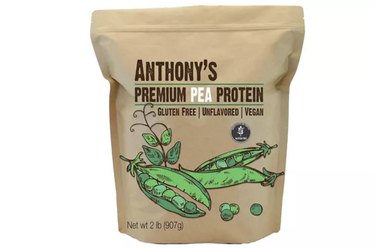
Per 2 scoops: 90 calories, 2.3 g total fat, 0 grams total carbs, 0 g sugar, 525 mg sodium, 18 g protein
Salbuvik likes this protein powder because it is made with only one ingredient: vegetable pea protein isolate. It's also batch-tested and verified gluten-free, unflavored, unsweetened and contains no artificial additives.
Plus, 1 tablespoon has 8 grams of protein and only 35 calories, so Salbuvik also recommends it for anyone looking to use a plant-based protein for weight loss.
Buy it: Amazon.com; Price: $16.99
12. Best Soy Protein: NOW Sports Nutrition Soy Protein Isolate
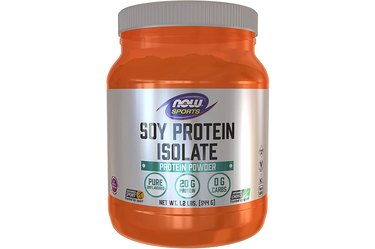
Per 1 scoop: 90 calories, 0.5 g total fat, 0 g total carbs, 0 g sugar, 170 mg sodium, 20 g protein
"When choosing a soy protein, opt for non-GMO like this brand," Girgen says. "It contains no added sugar and has a robust amino acid profile rich in leucine, which is known to stimulate muscle growth."
This brand is also Informed Sport Certified and GMP Quality Assured, which means that every aspect of the product manufacturing has been rigorously examined.
Meyer-Jax believes this protein powder is a good option for vegetarians and vegans because it contains all nine essential amino acids.
Buy it: Amazon.com; Price: $15.79
13. Best Rice Protein: Naked Rice-Organic Brown Rice Protein Powder
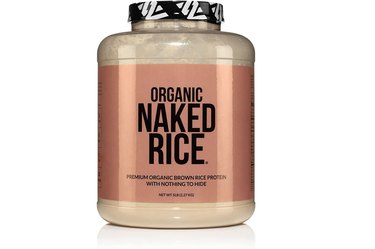
Per 2 scoops: 120 calories, 0.5 g total fat, 4 g total carbs, 0 g sugar, 0 mg sodium, 25 g protein
Meyer-Jax recommends this one because it is a straightforward protein powder made from only one ingredient: organic sprouted brown rice protein. It's also made using a hexane-free extraction process that gives it a vegan amino acid profile that is similar to whey protein.
"It's a very clean vegan protein powder with no artificial sweeteners, flavors, or colors and is GMO-free, soy-free and gluten-free," she says.
According to Meyer-Jax, the only drawback is that it doesn't contain all nine essential amino acids, which is why she recommends mixing it with another plant-based protein source, like pea or hemp, to make a complete protein.
Buy it: Amazon.com; Price: $74.99
14. Best Hemp Protein: Nutiva Organic Cold-Pressed Raw Hemp Seed Protein Powder
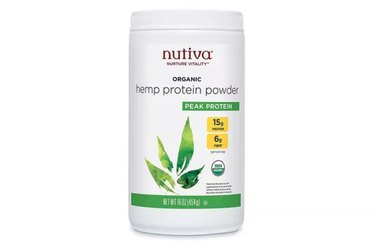
Per 2 scoops: 110 calories, 3 g total fat, 8 g total carbs, 1 g sugar, 0 mg sodium, 15 g protein
This gently cold-pressed powder is made from raw hemp seeds and is a sustainable source of all nine essential amino acids and omega-3 and -6 fatty acids.
Nutiva's option is a clean, plant-based protein that's high in antioxidants, fiber and other micronutrients, such as potassium, iron and zinc. Big bonus: It's approved by Consumer Lab and is USDA-Certified Organic.
Buy it: Amazon.com; Price: $13.99
What to Consider When Choosing a Protein Powder
Choose Third Party-Certified Products
"In the U.S., the supplement industry is not closely regulated, which means that there is no way of knowing if the powder is what the package says it is," Christopher says.
As such, she recommends looking out for third-party testing by USP, NSF or Consumer Labs, which will often place a seal of approval on the label.
Go With Unsweetened
"Look for unsweetened powders and add your own sweetener to your smoothie," Christopher says. You can use fresh or dried fruit or a bit of honey to sweeten your drink.
"You will likely end up using less and forgoing the digestive discomfort some of the sugar alcohols and non-nutritive sweeteners can cause."
Keep Your Personal Goals in Mind
"It's important to remember that you are a one-size-fits-one unique individual," Meyer-Jax says. "Understand first what your goals are in adding a protein supplement into your diet (muscle-building, immune health, weight loss or more energy, for example)."
Then choose products that align with your personal goals, experimenting with different ones if necessary.
Remember, "everyone is different, so what works for your friend may not for you," she says.
Tip
Anything that you put into your body should delight your taste buds.
"Pea protein powder [in particular] on its own really does taste like peas," Christopher says. "I have learned that the hard way."
Mix your protein powder with ingredients like fresh, frozen or dried fruit for sweetness and flavor.