




Impaction & Diet

Impaction & Diet
Photo Credit Hemera Technologies/AbleStock.com/Getty Images

A fecal impaction occurs when a hard piece of stool becomes stuck in the rectum. It is most often seen in people with long-term constipation, as the stools become dry and hard and difficult to pass. A fecal impaction is diagnosed with a rectal exam; if an impaction is suspected, measures are taken to remove the impacted stool. These include enemas, surgery and manual removal. Dietary treatment before, during and after experiencing a fecal impaction can help your recovery and can also help prevent recurrence.

Possible Dietary Causes

The main cause of fecal impaction is chronic constipation. Chronic constipation may be due to inactivity or the use of certain drugs but can also be exacerbated by diet. People who are consuming a low-fiber diet can experience symptoms of constipation, and people who do not drink adequate amounts of fluid are at higher risk. Following a long-term low-fiber, fluid-restricted diet can therefore put you at higher risk for developing a fecal impaction.

Nutrition-Related Side Effects

Fecal impaction can produce a number of side effects that may affect your nutritional status. These include abdominal bloating and pain, sudden diarrhea, rectal bleeding and dizziness. Additionally, someone with chronic constipation may experience gas and a feeling of fullness, which can lead to nausea and vomiting. Someone with chronic constipation or a fecal impaction who is experiencing these symptoms may have an altered nutritional status as a result of poor intake of food.

Nutrition Support

In certain cases, intake of nutrients may be inadequate as a result of unpleasant side effects. In severe cases, surgery may be needed. Patients may be admitted to the hospital by their doctor for further observation and treatment. Nutrition support, such as oral supplements, tube feeding or intravenous feeding, may be necessary. This will ensure that the person gets adequate nutrients, fluid and fiber even though he is having difficulty eating.

Prevention

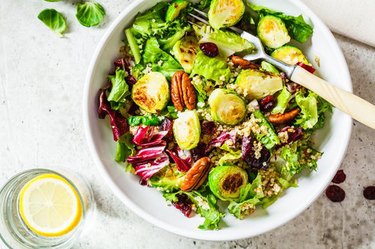
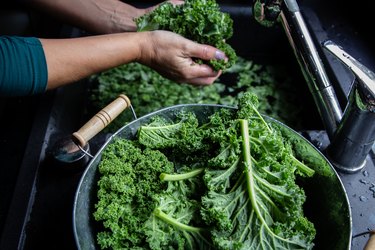
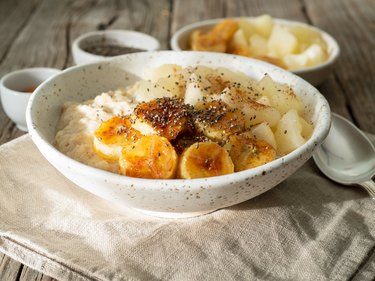
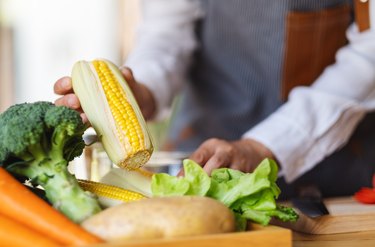
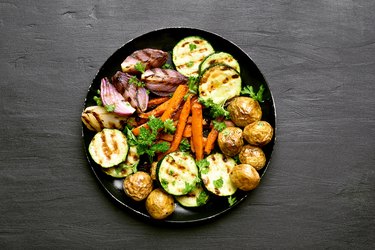
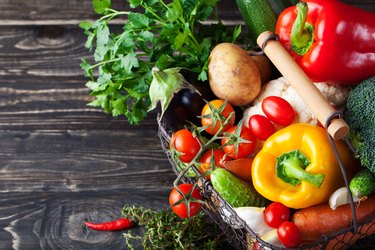
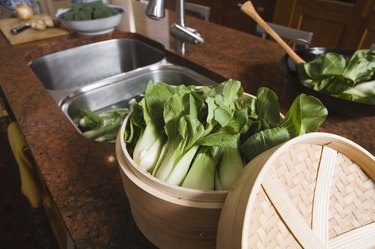
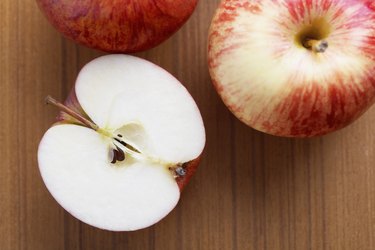
Once the impaction is removed and symptoms have resolved, it is important to take steps to prevent recurrence. A diet high in fiber -- approximately 20 to 30 g daily -- is recommended. Including fruits and vegetables in the diet and consuming whole grains, such as whole wheat bread, instead of refined grains can help to accomplish this goal. In addition, be sure to drink plenty of fluids. The recommendation is 1 ml of fluid per calorie consumed each day.

References

Article reviewed by joyce sexton Last updated on: Aug 18, 2011

Must see: Photo Galleries

Member Comments