




















If you have high blood pressure, you are at higher risk for kidney disease, heart disease and stroke. Although no single food determines your blood pressure, white radishes can be a healthy addition to an overall balanced diet for lowering your numbers. A nutritionist can suggest ways to include white radishes into your meal plan.
Sodium
White radishes have only 16 mg sodium per cup, so they can help you stick to a low-sodium diet if your doctor recommends one. Most people with high blood pressure should have no more than 1,500 mg sodium per day, according to the 2010 Dietary Guidelines from the U.S. Department of Health and Human Services. Limit your sodium intake by focusing on unprocessed foods, such as white radishes, and reducing your intake of processed and prepared foods.
Beneficial Nutrients
Each cup of white radishes supplies 29 mg vitamin C, or nearly 50 percent of the daily value. Some evidence shows that a high intake of vitamin C may help lower blood pressure in individuals who already have hypertension, according to the Linus Pauling Institute Micronutrient Information Center. A high-fiber diet may also moderate your blood pressure, and radishes have 1.8 g per cup. They provide 280 mg potassium, which is essential for controlling your blood pressure.
Suggestions
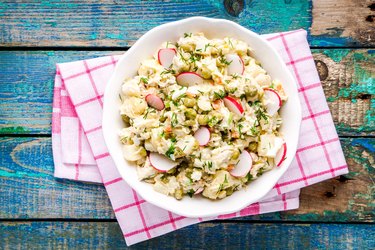
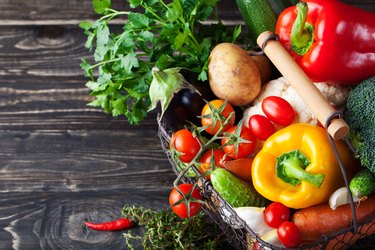
White radishes make convenient snacks that you can take in a sack lunch, or you can wash them and leave them in the refrigerator so that they are ready to eat when you need a quick snack. You can also serve them in salads. The Dietary Approaches to Stop Hypertension, or DASH, diet is an eating pattern that may lower your blood pressure within weeks or months, according to the 2010 Dietary Guidelines from the U.S. Department of Health and Human Services. A 2,000-calorie DASH diet includes four to five servings of vegetables per day. Each cup of raw white radishes counts as a serving.
Weight Control
People who eat more fruits and vegetables tend to have better weight control, according to the Linus Pauling Institute Micronutrient Information Center. Vegetables may help you limit your calorie intake to lose weight or prevent weight gain because of their low amount of calories. Radishes are among the lowest in calories, with only 14 calories per cup of sliced radishes. They may also be beneficial for controlling your weight because 95 percent of their weight is from water, which is a calorie-free, appetite-suppressing nutrient.
References
- U.S. Department of Agriculture: Vegetables and Vegetable Products
- U.S. Department of Health and Human Services; Dietary Guidelines for Americans, 2010; January 2010
- Linus Pauling Institute Micronutrient Information Center; Dietary Fiber; Victoria Drake; August 2009
- Linus Pauling Institute Micronutrient Information Center; Vitamin C; Victoria Drake; November 2009


