


























Potassium and Grapes

Potassium and Grapes
Photo Credit Zedcor Wholly Owned/PhotoObjects.net/Getty Images

Grapes are unique in that you can enjoy them fresh, dried, in juice form or in a variety of foods. Plants such as grapes absorb minerals through soil and water during growth, passing beneficial nutrients on to you. Grapes come in an array of flavors and colors, each one providing varying amounts of potassium, an essential dietary mineral. About 80 percent of the weight of grapes is water, making them an excellent low-calorie, nutrient-rich snack food.

Potassium Functions

Potassium is a positively charged particle residing primarily inside cellular fluid. It works hand-in-hand with sodium, which sits mostly in fluid outside of cells. These electrolyte minerals cross cell membranes, as needed, keeping fluid in check. Your body works hard to regulate this process, so electricity can allow your heart to beat, muscles to contract and nerves to communicate with one another. To support these functions, you need to consume 4,700 mg of potassium daily, according to the Linus Pauling Institute.

Grapes

More than 50 different types of grapes can be found in stories, varying in color from white or golden, up to deep red and purple. Some grapes have seeds, while others are seedless. Your average seedless green grapes contain right around 175 mg of potassium per cup. Red grapes with seeds offer nearly 290 mg of potassium for every 1-cup serving size, while muscadine grapes, which have a deep purple color, provide 200 mg per cup.

Juice and Jam

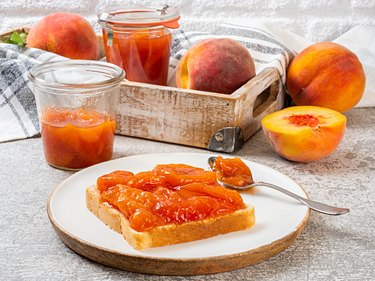
Grapes have a refreshing sweet flavor and are frequently made into juice or jam, another way to sneak potassium into your diet. Maximize your potassium intake by selecting grape juice that is 100 percent juice. Cocktails or blends are full of sugar and sweeteners, so you won't get all of the beneficial nutrients. An 8 oz. glass of unsweetened grape juice contains more than 250 mg of potassium, while the same serving of grape juice cocktail provides a minimal 80 mg. Spreading grape jam on your toast at breakfast or your peanut butter and jelly sandwich at lunch packs in an additional 15 mg of potassium.

Raisins

Raisins are dried grapes that contain around 15 percent water, making them a nutrient-dense snack, says the Centers for Disease Control and Prevention. A half-cup serving of raisins provides as much as 600 mg of potassium, about 13 percent of your total intake for the day. Fortified breakfast cereal with raisins offers approximately 360 mg of potassium per 1-cup serving.

References

Article reviewed by OmahaTyppo Last updated on: Aug 18, 2011

Must see: Photo Galleries

Member Comments