Uterine fibroids can cause severe pain and discomfort for many people. Food certainly isn't the only factor that contributes to fibroids, but experts say it does play a part in the condition.
"While we don't fully understand the causes of fibroids, studies have shown that dietary patterns and foods may be associated with higher or lower risk for developing fibroids," says Melissa Groves, RD, LD, an integrative and functional medicine dietitian specializing in women's health and hormones, and the founder of The Hormone Dietitian.
Video of the Day
Video of the Day
First, What Are Fibroids?
Fibroids, also known as myomas or leiomyomas, are uterine tumors made of smooth muscle and connective tissue, per UCLA Health. While the word "tumors" may sound terrifying, fibroids are typically benign. In fact, fibroid statistics estimate that up to 80 percent of all people with uteruses will develop fibroids at some point in their lives, with Black people being three to four times more likely to have fibroids than other groups, according to the U.S. National Library of Medicine.
Fibroids also become more common with age up until menopause, when myomas rarely develop or tend to shrink if they're already present.
While some people never even realize they have fibroids, others have painful symptoms, including heavy or elongated periods, pelvic pain, increased urination, constipation and backaches, per the Mayo Clinic.
"Staying at a healthy weight by eating a balanced diet that includes plenty of fresh fruits, vegetables, lean proteins and healthy fats can be helpful to decrease or prevent fibroid growth."
The Connection Between Diet and Fibroids
Diet choices alone can't prevent or treat fibroids, but research suggests the foods we eat may influence fibroid risk and growth.
"Elevated levels of hormones like estrogen may make you more likely to get fibroids," says Cory Ruth, RD, a registered dietitian who specializes in PCOS and hormone imbalance, and founder of The Women's Dietitian.
How does that relate to our diet? "Fat cells make more estrogen, which can increase your risk for fibroids or make them worse," Ruth explains. "Staying at a healthy weight by eating a balanced diet that includes plenty of fresh fruits, vegetables, lean proteins and healthy fats can be helpful to decrease or prevent fibroid growth."
In other words, instead of following a low-estrogen diet specifically, aim to eat a variety of whole foods that support your overall health.
The Best Foods for Fibroids
No single food will cure your fibroids, but certain nutrients are associated with improvements in symptoms and a reduction in myoma growth. Read on for five foods that may help shrink your fibroids naturally.
1. Vitamin-D Rich Foods
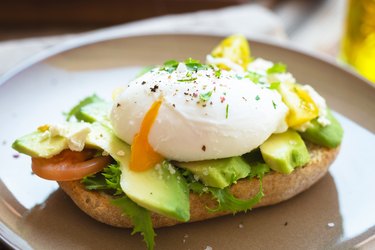
As if we needed another reason to love vitamin D. Too-low levels of the fat-soluble vitamin are associated with an increased risk of fibroids, per a July 2018 review in the International Journal of Molecular Sciences.
Vitamin D likely affects fibroid risk and growth thanks to its role in gene expression. That is, by stopping certain cells from multiplying, the vitamin can block the growth of myomas. But vitamin D levels must be sufficient in order for this to work. That may be part of the reason why studies have repeatedly found that people with uterine fibroids (UF) have lower levels of vitamin D compared to people without UFs.
Vitamin D isn't the easiest nutrient to find in your diet, but the following foods are good sources:
- Fatty fish like salmon and tuna (these also pack anti-inflammatory omega-3 fatty acids)
- Egg yolks
- Certain fortified foods (think: milks, yogurts and breakfast cereals)
Ruth recommends prioritizing seafood if you're looking to add more D to your diet: "Aim for three to four servings per week of fatty fish like salmon, herring, tuna and mackerel for maximum omega-3 benefits. If you're not enjoying these types of fish that often, you can take a supplement with at least 500 milligrams of EPA and DHA."
2. Flaxseeds
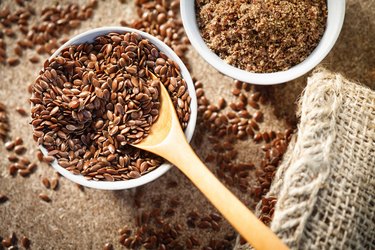
Fibroids or not, we should all befriend flaxseeds. Not only do they deliver plant-based omega-3s (also known as ALA), but flaxseeds are also a great source of fiber, which is important for people with fibroids, especially if they struggle with constipation.
Why? When we're constipated there's more time for estrogen to become reactivated in and reabsorbed from the gut, Groves explains, potentially resulting in elevated levels of estrogen in the body — a risk factor for uterine fibroid development. It makes sense, then, that "studies have shown that a diet high in fiber has been linked to lower estrogen levels," Groves says.
Flaxseeds also contain compounds called lignans that act as phytoestrogens, per the Memorial Sloan Kettering Cancer Center. When eaten in moderation, phytoestrogens may modestly block the effects of excess, true estrogen in the body, hindering its ability to promote fibroid growth.
Always opt for ground flaxseeds unless you're blending them into a smoothie. The whole seeds are tough for the body to break down, but grinding them helps us better digest them and reap their health benefits.
What About Soy?
You may have heard that phytoestrogens are a no-no for women’s hormones. But soy can actually serve as an "anti-estrogen," per a February 2021 review in the International Journal of Environmental Research and Public Health. In other words, just like flax, soy can help dampen the effects of true estrogen in the body.
Also good to know: “Soy contains phytoestrogens that are very different from xenoestrogens [found in plastics and pesticides], which may be harmful to both our hormones and overall health,” Ruth explains. “Research demonstrates that soy is fairly neutral and even has protective benefits against certain cancers. [People with fibroids] can absolutely enjoy whole, unprocessed soy products in moderation.”
These include:
- Edamame
- Roasted soybeans or soy nuts
Talk to your doctor about a safe level of soy intake for you if you have a personal or family history of estrogen receptor-positive breast cancer.
3. Citrus
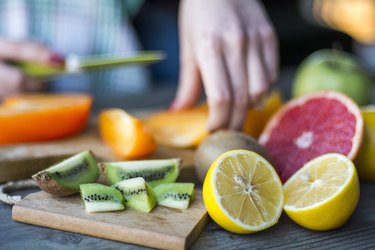
While eating plenty of produce is recommended for those with fibroids, research suggests citrus fruits like grapefruit and oranges are among the most important plants for myoma prevention.
People who ate three or more servings of citrus per week were significantly less likely to have UFs compared to people who ate citrus less than once a month, according to a December 2011 study from The American Journal of Clinical Nutrition.
Tip
Opt for the whole fruit instead of juice for less sugar and more fiber.
4. Gut-Friendly Foods
"Anything that supports gut health is going to support healthy hormones by default," Groves tells LIVESTRONG.com. That's because bacteria in the gut (sometimes referred to as the "estrobolome") are involved in the detoxification and elimination of excess estrogens, per research from the journal Maturitas.
Groves recommends combining probiotics found in fermented foods with prebiotics, the fibers that feed our good gut bacteria.
Gut-friendly fermented foods include:
- Yogurt
- Kefir
- Sauerkraut
- Kombucha
- Kimchi
- Tempeh
Foods high in prebiotics include:
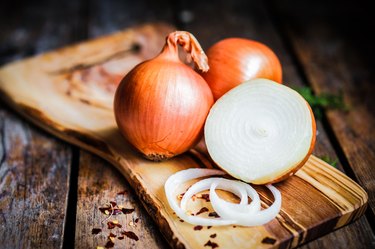
- Alliums (leeks, garlic, onions)
- Asparagus
- Bananas
- Honey
- Whole grains (oats, whole wheat, barley)
Lifestyle strategies are also important for gut health (and, by extension, hormone health), Grove adds. "[Remember to] slow down and eat mindfully, chew food thoroughly and manage stress."
What About Green Tea?
A small August 2013 study from the International Journal of Women's Health reported that daily supplementation with green tea extract significantly reduced the size of study participants' uterine fibroids. But of course, taking green tea extract in supplement form isn't the same as drinking a cup of green tea. Not only are supplements unregulated, but their contents are much more concentrated than whole foods (or in this case, drinks). It's always a good idea to talk to your doctor before starting any new supplements.
It's also worth noting that although some other teas are marketed as "fibroid-shrinking teas," there's no research to support drinking tea as a way to manage fibroids.
5. Potassium-Rich Foods
People with fibroids are more likely to also have high blood pressure, or hypertension, according to early (but still cited) research in the Journal of Reproductive Medicine. Friendly reminder: A high-potassium diet is helpful for driving down blood pressure because it counteracts the effects of sodium in the body.
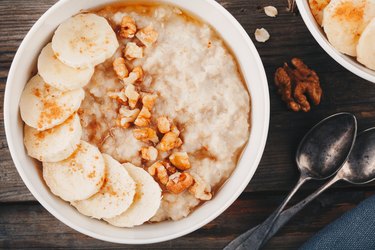
That's one reason why potassium-rich foods like bananas are recommended for people with fibroids. Other healthy, high-potassium foods include:
- Avocados
- Collard greens
- Lentils
- Okra
- Potatoes
- Tomatoes
- Yogurt
What About Celery Juice?
Some people claim that celery juice can shrink fibroids. While the drink does contain some potassium and other vitamins and minerals, it's not especially high in the nutrient, and there's no evidence connecting celery juice to a lower risk of fibroids.
The Worst Foods (and Drinks) for Fibroids
We may not know for sure which foods cause fibroids to grow, but based on research, people with fibroids are better off limiting the following:
1. Red Meat (Including Pork)
Eating a lot of animal proteins like beef, pork and lamb may raise your risk of developing fibroids, per research in Obstetrics & Gynecology. (The study is from 1999, but it's still cited often.) It's important to note, though, that this research only found an association — it didn't establish a cause-and-effect relationship between meat and fibroids.
That said, it's a good idea to practice moderation with red and processed meats. "You don't need to avoid these proteins completely," Ruth says. "Opt for three to four servings per week."
Turn to other nutrient-dense sources of protein like fatty fish, nuts and potassium-rich beans to fill in any gaps.
Tip
A serving size of red meat is 3 to 4 ounces, or about the size of a deck of cards.
2. Alcohol
Sad but true: Alcohol is a hormone disruptor, meaning it can exacerbate estrogen imbalances in the body.
How? "Since alcohol is a toxin, the liver prioritizes detoxing that toxin over any of its usual jobs, such as metabolizing hormones, balancing blood sugar and eliminating other toxins," Groves says. What's more: "A higher consumption of alcohol has been linked to fibroid development and fibroid pain." Ouch.
If banning booze altogether is out of the question, focus on reducing how much you drink.
"Up to one alcoholic beverage a day is considered 'moderate drinking,'" Groves says. "Some people may find that even one serving a day worsens pain [associated with fibroids], so listen to your body and tune in to how you feel after a drink."
What About Caffeine?
No research has conclusively shown that coffee or caffeine increases the risk of fibroids or causes fibroids to grow.
What About Dairy?
"Research on dairy and fibroids is conflicting," Ruth admits. While some point to dairy products as solid sources of potassium and protein, others highlight the fact that modern cow's milk contains high levels of estrogen, which is less than ideal for those with uterine fibroids.
"To err on the side of caution, it may be wise to enjoy dairy products in moderation and opt for low-fat products," Ruth says.
Because endocrine-disrupting chemicals can accumulate in animal fat, a full-fat milk or yogurt may be more harmful than a lower-fat alternative. That said, more research is needed before we can declare a 'yay' or 'nay' on dairy for those with fibroids.
The Bottom Line
Eating certain foods won't heal your fibroids, but following hormone-healthy dietary patterns may help reduce your risk of myomas and their growth.
"The best foods to consume for fibroids are those that are high in fiber, like fruits, vegetables and whole grains; anti-inflammatory foods like fatty fish, nuts and seeds; and fermented foods, like yogurt and kefir," Groves says. "It's also a good idea to eat foods that are supportive of liver health to support estrogen metabolism, like cruciferous vegetables, citrus, berries, flaxseed and artichokes."
Avoiding inflammatory foods like those with excess added sugars, alcohol, processed meats, refined carbohydrates and vegetable oils high in pro-inflammatory omega-6 fatty acids is also encouraged.
Looking for more guidance on the best diet for uterine fibroids? Work with a registered dietitian to find the best balance of nutritious foods for you.


- UCLA Health: “What are Fibroids?”
- Mayo Clinic: “Uterine Fibroids”
- International Journal of Molecular Sciences: “ Vitamin D and Uterine Fibroids—Review of the Literature and Novel Concepts”
- Memorial Sloan Kettering Cancer Center: “Flaxseed”
- The American Journal of Clinical Nutrition: “Intake of Fruit, Vegetables, and Carotenoids in Relation to Risk of Uterine Leiomyomata”
- Journal of Reproductive Medicine: “Fibroids and Hypertension. A Cross-Sectional Study of Women Undergoing Hysterectomy”
- Obstetrics & Gynecology: “Diet and Uterine Myomas”
- Maturitas: “Estrogen–gut microbiome axis: Physiological and clinical implications”
- International Journal of Environmental Research and Public Health: “Uterine Fibroids and Diet”
- U.S. National Library of Medicine: “Green Tea Extract: A Non-Surgical Alternative for Treatment of Uterine Fibroids”
- International Journal of Women’s Health: “Treatment of Symptomatic Uterine Fibroids with Green Tea Extract: A Pilot Randomized Controlled Clinical Study”
Is this an emergency? If you are experiencing serious medical symptoms, please see the National Library of Medicine’s list of signs you need emergency medical attention or call 911.