




















Quercetin is one of the many phytochemicals, or plant chemicals, that have been discovered since the 1930s. Originally, quercetin gained attention because it was thought to cause cancer; further research demonstrated that it may have the opposite effect. Although quercetin is found in many dietary supplements, the safest and most effective way to obtain it is through food sources, according to the American Cancer Society.
Function
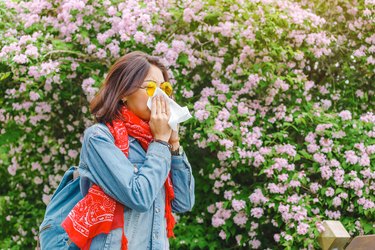
Quercetin provides pigmentation in a variety of plants, vegetables and fruits. When consumed by humans, quercetin exhibits antioxidant properties, neutralizing free radicals in the body; it may even prevent or reduce the amount of damage already caused by free radicals. Free radicals can damage DNA and cells and increase the chances of chronic disease developing. Quercetin has anti-inflammatory properties and acts as an antihistamine.
Benefits
As noted in "Encyclopedia of Dietary Supplements," quercetin's anti-inflammatory qualities might decrease the symptoms of asthma and decrease the risk of heart disease. Quercetin's antioxidant properties have gained the attention of cancer researchers. In studies with cell cultures, quercetin has slowed the growth of cancer cells and even caused their death, according to the American Cancer Society. Quercetin may protect against high cholesterol and prostatitis.
Sources
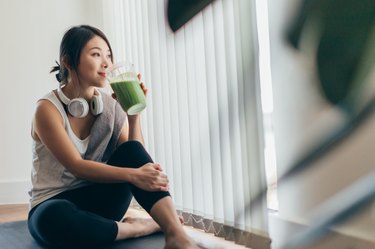
Food is the most effective source for you to obtain quercetin. Quercetin-rich foods include grapes, apple skins, citrus fruits, parsley, onions, tea and red wine. You may need supplementation to achieve maximum benefit; quercetin is available as a supplement, in pill, capsule and water-soluble forms, but more research is needed to determine the benefit of supplementation as opposed to food sources. Consult your doctor before adding quercetin supplements to your diet.
Dosage and Safety
Your doctor can determine the ideal dosage of quercetin supplementation. Most adults can take 100 to 250 mg of quercetin three times a day for general health benefit, according to the University of Maryland Medical Center. People with allergies, prostatitis and interstitial cystitis need higher doses. To avoid negative side effects, do not take more than 1 g of quercetin daily. If you are pregnant, breastfeeding or have chronic kidney disease, do not take quercetin supplements.


Member Comments