






































































While you may not think of a fruit as a carbohydrate in the same manner as you would a piece of bread, both foods contain carbohydrates. Because carbohydrates break down into smaller molecules called glucose, this means fruits can affect your blood sugar, causing it to increase. Understanding how different fruits affect your blood sugar can help you if you are monitoring your blood sugar levels as a condition like diabetes requires.
Glycemic Index
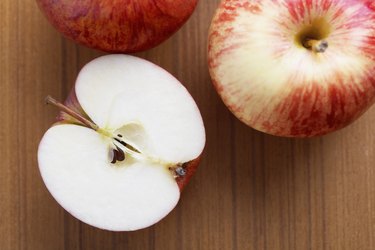
You can tell how much a fruit affects your blood sugar by looking it up on the glycemic index. The lower a food is on the glycemic index, the less it would affect your blood sugar and insulin levels. Foods that are rated low on the glycemic index include apples, grapefruits, pears and prunes, according to the Harvard School of Public Health. If you are trying to maintain low blood sugar levels, your best options would be these kinds of fruits. However, some fruits can be high on the glycemic index. These includes watermelon, which can be as much as 85 on the glycemic index, while dried dates are up to 124 on the glycemic index.
Fiber
Some of the components of fruits can determine how likely it is to affect your blood sugar level. For example, watermelon is considered high on the glycemic index, likely because it contains very little fiber and your body will digest it more quickly. Fruits that are high in fiber include apples and pears and as a result are lower on the glycemic index.
Juice
Because fruit juices do not contain the fibrous portions of the fruits you are consuming, fruit juices tend to impact your blood sugar level more significantly, according to Diabetes New Zealand. This means that drinking apple juice will affect your blood sugar more than eating an apple will. If you are consuming fruit juice as part of your daily overall fruit intake, keep in mind that it may cause your blood sugar levels to increase.
Considerations
While the glycemic index is a general measure of how a food might affect your blood sugar, fruits may affect your blood sugar differently. One of the best ways you can determine how fruits will affect your blood sugar is to measure your blood sugar before and after eating a fruit. This can help you determine the fruits you can eat and how much insulin you would require after eating that particular fruit.
References
- Harvard School of Public Health: Glycemic Index and Glycemic Index for 100+ Foods
- University of Wisconsin Hospital and Clinics: Glycemic Index
- Diabetes New Zealand; Will Fruit Affect My Blood Glucose Levels?; 2008
- MayoClinic.com; Diabetes Diet: Should I Avoid Sweet Fruits?; Carol Willett, R.D.; October 2009


