
When you think about food allergies, shoulder and knee joint pain is not a symptom that typically comes to mind. For people who have arthritis or other inflammatory joint conditions, food allergies can cause a flare-up of pain caused by inflammation. According to the Center for Food Allergies, anything that causes a reaction of the immune system can trigger joint pain in various parts of the body, including the shoulders or knees. If you notice that you develop pain in your joints after eating certain foods, call your doctor.
Food Allergies
Video of the Day

Food allergies are more common in children than adults, but you could form an allergy to any food any age. The most common foods that cause an allergic reaction include wheat, soy, peanuts, fish, tree nuts, shellfish, eggs and milk, according to Medline Plus. Food allergies are a reaction of the immune system caused by a malfunction. Your immune system defends the body from harmful substances, such as viruses and bacteria. During an allergic reaction, your immune system mistakes the proteins in the food as harmful and overreacts to protect the body. This immune system reaction can trigger shoulder and knee joint pain.
Video of the Day
Arthritis Consideration

The Center for Food Allergies states that a food allergy can result in joint inflammation. Some allergy symptoms don't show up immediately and can develop a day after eating a specific food. This can make the connection to which food is causing the inflammation difficult to discover. For example, if you're allergic to wheat, by the time the proteins are absorbed into your body, it can be hours later that you're joints become inflamed and painful. Talk with your doctor about your condition.
Identifying Food Reactions

Identifying the foods that you're allergic to is the most effective way to prevent and treat your condition. An elimination diet and allergy tests can help identify which foods you're allergic to. Food elimination diets eliminate a specific food for a few weeks and then re-introduce it to see if your body reacts to it.
Testing
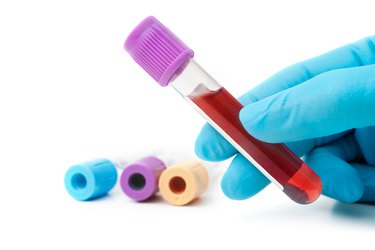
Allergy tests include skin and blood tests. Skin tests use a small amount of different food proteins that are injected under the top layer of skin. Within 15 to 20 minutes, inflammation will develop if you're allergic to that specific food. Blood tests use a sample of your blood to test it for IgE antibodies, allergy-related antibodies.
Is this an emergency? If you are experiencing serious medical symptoms, please see the National Library of Medicine’s list of signs you need emergency medical attention or call 911.