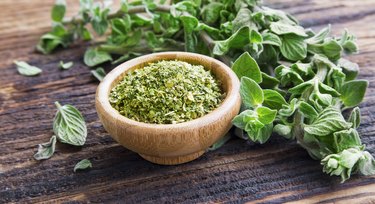
Struggling with a sore throat or bacterial infections? Then you might want to drink a cup of oregano tea. Rich in volatile oils, this healthful beverage kills pathogens and promotes healing. It may also soothe the stomach, boost immune function and reduce inflammation.
Discover the Benefits of Oregano
Video of the Day
Oregano is best known for its distinctive flavor and slightly bitter taste. It makes a delicious addition to pizza, meat dishes, salads and soups. Its leaves are widely used in Mediterranean cuisine. Several varieties exist, including Greek, Syrian, Mexican and Turkestan oregano.
Video of the Day
Its name comes from the Greek words "oros," which means "mountain," and "ganos," which can be translated as "joy." To put it simply, "oregano" means "mountain of joy." This perennial herb is prized for its intense aroma and beneficial properties, offering both flavor and nutrition. It's also used as a food preservative due to its ability to prevent food spoilage and bacterial growth.
Oregano exhibits antioxidant, anti-inflammatory and antibacterial effects. The oil extracted from this plant has been shown effective against Escherichia coli, Pseudomonas aeruginosa, Acinetobacter baumannii, Staphylococcus aureus and other bacterial strains. Due to its antimicrobial properties, it may help treat wound-associated infections, reports a study published in Frontiers in Microbiology in October 2018.
Read more: 10 Everyday Ailments Soothed by Tea
These health benefits are due to the bioactive compounds in oregano, including thymol, carvacrol, alpha-pinene, linalool and limonene. Carvacrol, for example, may protect against cancer, infections and oxidative damage, according to a September 2018 review featured in Phytotherapy Research. This potent antioxidant may kill foodborne pathogens and antibiotic-resistant bacteria. Thymol has similar properties.
The anticancer activity of oregano is confirmed by clinical evidence. Carvacrol and thymol may suppress tumor growth due to their cytotoxic and antioxidant effects. However, human trials are needed to confirm these findings.
Why Drink Oregano Tea?
With its peppery, slightly bitter taste, oregano tea is ideal for cold winter days. The leaves and flowering stems may prevent infections, soothe a cough and relieve indigestion, according to the organization Plants for a Future. Furthermore, this herb may help treat the common cold and reduce menstrual pain.
Texas A&M University states that oregano tea made from the fresh plant may help relieve an upset stomach and headaches. However, these claims are largely based on anecdotal evidence. The few studies on oregano tea have been conducted in vitro (a controlled environment) or on mice, so their findings may not be relevant to human health.
Read more: 6 Surprising Ways to Cook With Tea
For example, an in vitro study published in Biomedicines in August 2019 assessed the effectiveness of herbal infusions against strep throat. This bacterial infection causes a sore throat, red tonsils, fever, body aches and swollen lymph nodes in the neck. The culprit is Streptococcus pyogenes, a contagious bacterium.
Researchers analyzed several types of tea, including oregano, thyme, licorice and barberry teas. Oregano exhibited the highest inhibitory action against Streptococcus pyogenes. As the scientists note, these plants could be used for developing functional teas or medications due to their antibacterial properties. Again, further investigation is needed in this area.
All in all, oregano is a good source of antioxidants, volatile oils and other bioactive compounds that may benefit your health. Flavones, a class of antioxidants found in this plant, may protect against heart disease, diabetes, inflammatory conditions and ulcers. But little is known about oregano tea. Stay on the safe side and enjoy it in moderation to boost your antioxidant intake.
Warning
Beware that certain spices, including oregano, may cause severe allergic reactions, warns the American Academy of Allergy, Asthma & Immunology. Seek emergency care if you experience any unusual symptoms after ingesting this herb.
- University of Illinois Extension: "Greek Oregano"
- New York Botanical Garden: "O Is for Oregano"
- International Journal of Nutrition: "Oregano (Origanum vulgare) Extract for Food Preservation and Improvement in Gastrointestinal Health"
- Medycyna Doświadczalna i Mikrobiologia: "The Antibacterial Activity of Oregano Essential Oil (Origanum heracleoticum L.) Against Clinical Strains of Escherichia coli and Pseudomonas aeruginosa"
- Frontiers in Microbiology: "Bactericidal Property of Oregano Oil Against Multidrug-Resistant Clinical Isolates"
- Phytotherapy Research: "Carvacrol and Human Health: A Comprehensive Review"
- Reviews in Medical Microbiology: "Carvacrol and Thymol - Strong Antimicrobial Agents Against Resistant Isolates"
- Oxidative Medicine and Cellular Longevity: "Antioxidant, Antibacterial, and Cytotoxic Activities of the Ethanolic Origanum vulgare Extract and Its Major Constituents"
- Plants for a Future: "Origanum vulgare - L."
- Texas A&M University: "Medicinal Herbs"
- Biomedicines: "Herbal Tea for the Management of Pharyngitis: Inhibition of Streptococcus Pyogenes Growth and Biofilm Formation by Herbal Infusions"
- Mayo Clinic: "Strep Throat"
- Plants: "Flavonoids and Phenolic Acids From Oregano: Occurrence, Biological Activity and Health Benefits"
- American Academy of Allergy, Asthma & Immunology: "Can Spices Cause Allergic Reactions?"
Is this an emergency? If you are experiencing serious medical symptoms, please see the National Library of Medicine’s list of signs you need emergency medical attention or call 911.