








































Early Morning Proteins for Vegans

Early Morning Proteins for Vegans
Photo Credit Jupiterimages/Comstock/Getty Images

Vegetarians have it easy when it comes to breakfast. An egg and a slice of cheese on an English muffin yields around 16 grams of protein. A vegan would have to consume three plain muffins to achieve that, racking up nearly 80 grams of carbohydrates and over 400 calories in the process. The key to healthy early morning proteins for vegans is diversity.

Protein Facts

Vegans and vegetarians who are new to the lifestyle frequently obsess about protein, as do the well-meaning carnivores who love them. The fact is, many Americans consume twice as much protein as the body needs, according to the Physicians Committee for Responsible Medicine. The Centers for Disease Control and Prevention states that only 10 to 35 percent of your daily calories should come from protein. You needn't obsess about complementary proteins, either. It was once considered necessary for those eating exclusively plant-based diets to combine certain foods at each meal in order to get enough of the proper amino acids and complete proteins. Research has shown that as long as you eat a healthy variety of foods throughout the day, you will get all the essential amino acids you need.

Grains

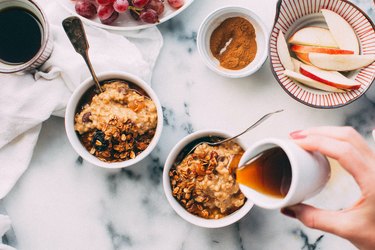
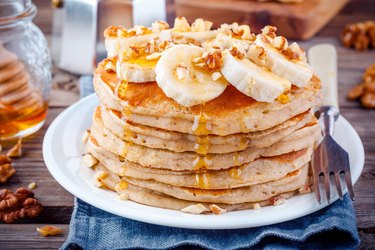
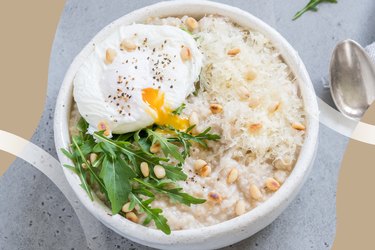
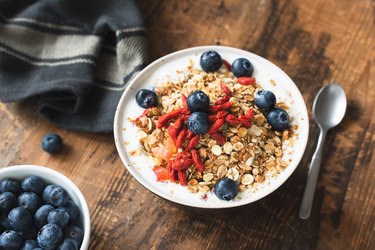
Hot and cold cereals, including oatmeal and granola, are sources of breakfast protein. Whole grain varieties are the best choices. Watch out for sneaky ingredients like extra sugar and hidden fats. For a nutty, chewy change of pace, try some cooked cracked wheat. You don't have to be a vegan to love muffins, waffles or pancakes in the morning. Stick with whole grain mixes or make your own from scratch for better all-round nutrition. A meat-like vegan alternative is seitan. Made from wheat gluten, seitan is a source of protein found in some commercial artificial meat products. You can make your own from scratch, but it's a tricky process.

Soy

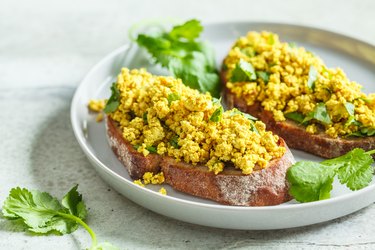
Soybeans are a major source of high-quality protein and a staple in vegan, vegetarian and non-vegetarian diets worldwide. Along with soy milk for your cereal and tofu for scrambles and smoothies, different forms of soy can be found in a myriad of foods, including many meat substitutes such as faux bacon and sausage. Tempeh is a lesser-known meat-like protein made from fermented soy. It is available commercially, but it is also possible to make it at home with the proper ingredients. Toasted soybeans, with their nut-like flavor and texture, can be added to cereal or eaten out of hand as an early morning snack.

Nuts

Nuts and seeds are among the most versatile of protein sources. You can eat them raw or toasted, whole, chopped or turned into butter. Nuts of all varieties can be added to granola, baked into breads or used to top almost anything for an added punch of flavor and protein.

Vegan Breakfasts

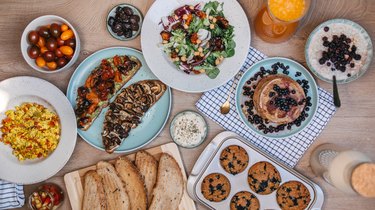
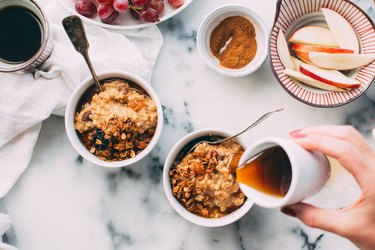
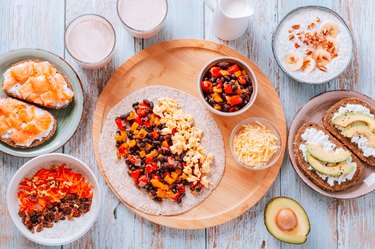
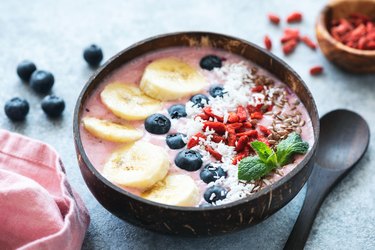
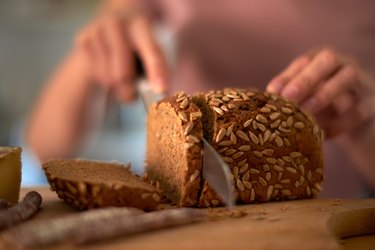
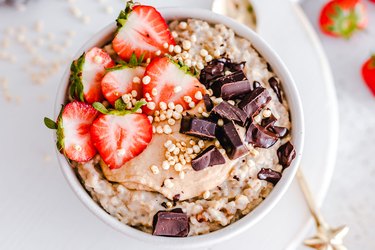
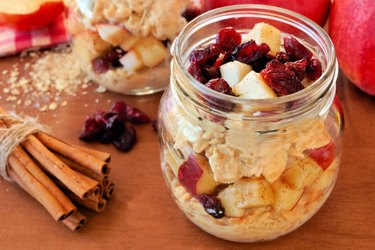
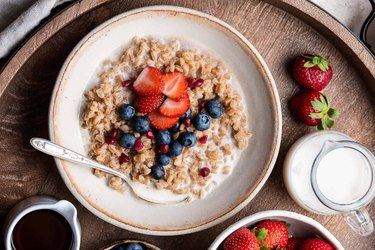
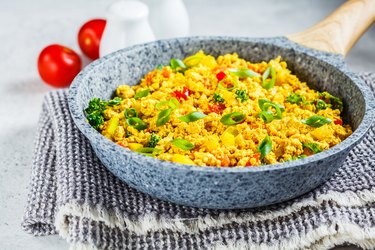
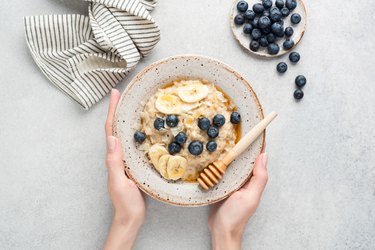
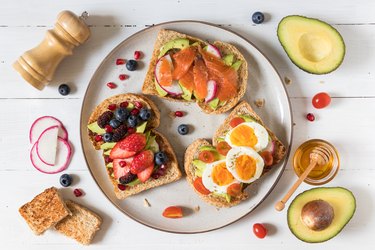
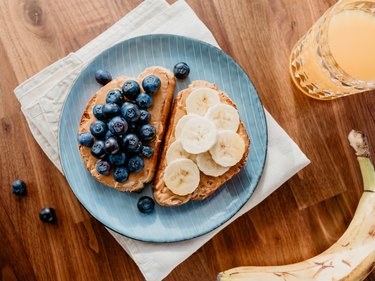
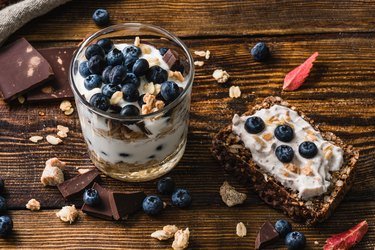
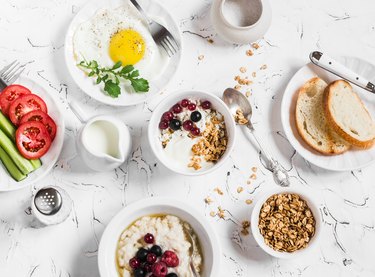
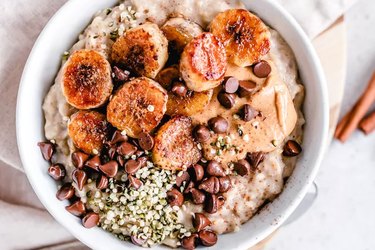
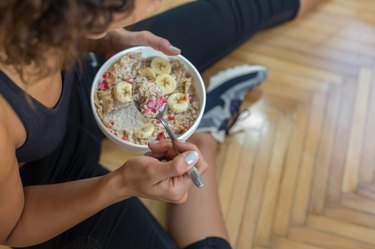
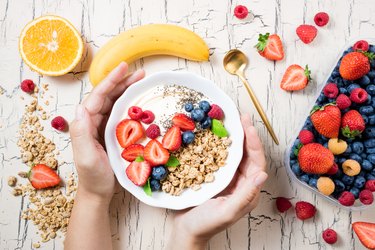
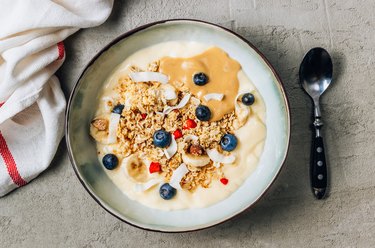
A healthy vegan breakfast can be as quick and easy as a bowl of oatmeal with raisins, toasted nuts and a splash of soy milk. Cooking steel-cut oats overnight in a slow cooker jump starts the process. For those with the time and inclination, scramble some tofu with mushrooms, onions and bell peppers. Homemade whole grain pancakes or waffles are a treat; top with antioxidant-rich blueberries, a handful of nuts and a scoop of vegan yogurt. If you're really in a hurry, slather your favorite nut butter on a slice or two of whole wheat toast and make that coffee a soy latte to go.

References

Article reviewed by Brigitte Espinet Last updated on: Jan 24, 2012

Must see: Photo Galleries

Member Comments