




































































Spinal osteoarthritis---also referred to as spinal arthritis---is a caused by the progressive loss of cartilage between the vertebrae of the spine, which may cause join inflammation to occur in certain people. Symptoms of this condition may include difficulty moving and pain or stiffness within or along the spinal column. If you suffer from this condition, a number of spinal osteoarthritis treatment options are available that may help alleviate painful symptoms.
Exercise
If you have spinal osteoarthritis, you may find exercise to be helpful in alleviating the symptoms you experience as a result of this condition. In addition to promoting overall physical fitness, exercise may help decrease pain, increase flexibility and strengthen muscles that support the spinal column, according to the National Institute of Arthritis and Musculoskeletal and Skin Diseases (NIAMS). Low-impact exercises, such as swimming or walking, may be best for patients with spinal osteoarthritis in order to limit irritation of the vertebrae.
Weight Management
Excess weight can increase the amount of stress placed on the spinal column, which may exacerbate symptoms associated with spinal osteoarthritis. If you have spinal osteoarthritis and are also overweight or obese, developing healthy eating habits may help you lose weight, which may also help increase your mobility.
Pain Medication
Your doctor may prescribe or recommend the use of pain medication to help control symptoms associated with spinal osteoarthritis. Use of over-the-counter medications, such as acetaminophen, nonsteroidal anti-inflammatory drugs (NSAIDs) or topical analgesic creams may provide some pain relief or help to decrease inflammation in your spinal column. Prescription drugs, such as narcotics or corticosteroid injections, may also be helpful in managing your spinal osteoarthritis symptoms. Your doctor may recommend the use of pain medication in combination with exercise or weight management to provide the best opportunity for symptom relief.
Alternative Therapies
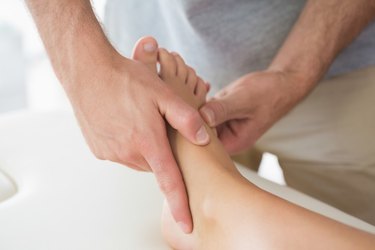
A number of alternative and complementary treatments may be beneficial for patients with spinal osteoarthritis. Application of heat or ice to the spine may help to ease pain or stiffness or may help to reduce spinal inflammation. Massage therapy may also provide some relief from painful spinal osteoarthritis symptoms by promoting blood flow in the affected area. Acupuncture or use of nutritional supplements may alleviate spinal osteoarthritis symptoms in certain patients. Be sure to discuss the use of any of these alternative therapies with your doctor before beginning treatment.
Surgery
In certain cases, surgery may be recommended to help treat your spinal osteoarthritis. During surgery, your surgeon may reposition or smooth out the vertebrae, which can help to alleviate symptoms. Artificial vertebrae may also be inserted to prevent further destruction of cartilage in some patients with spinal osteoarthritis.


