


























































Different Kinds of Breathing Problems

Different Kinds of Breathing Problems
Photo Credit chinese woman holding an x-ray image by Allen Penton from Fotolia.com

Feeling short of breath or being unable to breathe can be stressful. In some cases, this symptom is temporary--such as when you have a cold or flu. In other cases, it may signal a chronic or serious illness. If your breathing difficulties have occurred with no explanation or don't resolve after you recover from your illness, talk to your physician. This may be a symptom of one of many different kinds of breathing problems.

Bronchitis

Your lungs contain structures called bronchial tubes that carry air in and out of your lungs. Bronchitis can occur as a complication of a cold or flu, which can be treated. In other cases, bronchial tubes can become inflamed and you may develop a chronic case. The Mayo Clinic says chronic bronchitis can occur due to smoking, exposure to secondhand smoke or breathing in chemicals or pollution. Bronchitis is identified by trouble breathing, along with a cough that's accompanied by mucus, fatigue, chills and chest discomfort.

Asthma

If your airways have become blocked or narrowed, the Asthma and Allergy Foundation of America says you may have asthma. For reasons not well understood, if you have asthma it means your airways are sensitive to certain triggers. These triggers can include pollen, dust, pet hair, certain foods, chemicals or odors. Changes in weather, certain seasons, stress and medications are also triggers that can set off asthma. As your airways detect these triggers, they begin to swell and constrict. You may experience trouble breathing, wheezing, chest tightness and fatigue. You may find that your symptoms worsen at night or during exercise.

Emphysema

Many of these common types of breathing problems, including emphysema, fall under the general category of chronic obstructive pulmonary disease (COPD). In the case of emphysema, the linings of your air sacs are damaged. This allows air to get trapped in your lungs. It can be caused by smoking or exposure to chemicals or pollutants. The American Lung Association recommends learning to recognize the symptoms, because this disease can be mistaken for a cold. This delays treatment, which allows your condition to progress. Be on the lookout for shortness of breath, a chronic cough that produces large amounts of mucus, wheezing and being unable to take a deep breath.

Sleep Apnea

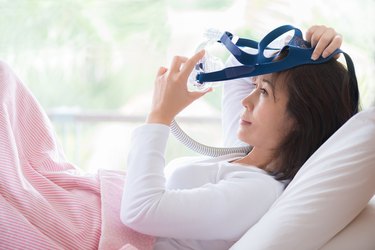
There are three main types of sleep apnea. This condition interferes with your ability to get a good night's sleep, which can lead to many health problems. Obstructive sleep apnea occurs when soft tissue within your throat blocks your airways. In central sleep apnea, for reasons that are unclear, your brain doesn't tell you to take a breath. You can also have mixed sleep apnea, during which both of these situations occur. After you stop breathing, your brain receives signals to wake you up and you begin to breathe again. Being overweight puts you at a greater risk of developing this condition.

References

Article reviewed by Anton Alden Last updated on: Mar 23, 2010

Must see: Photo Galleries