













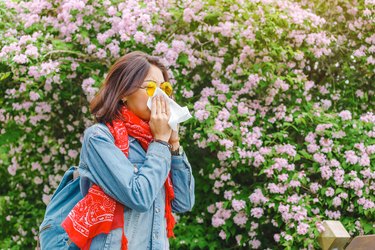












Energy is the force with which our bodies perform all vital actions, from movement and thought to growth and healing. Unfortunately, hectic work schedules, poor nutrition, sleep deprivation and other factors can deplete energy, resulting in chronic feelings of sluggishness and clouded thinking. There are many herbal alternatives for boosting energy. Many are highly effective and safe when taken as directed.
Sida Cordifolia
Sida cordifolia is a plant utilized in Indian medicine as a remedy for allergy, fatigue and many other conditions. It contains ephedrine and pseudoephedrine, which act as potent stimulants. According to the National Institutes of Health, Sida cordifolia has unique anti-inflammatory and analgesic properties. Unlike ephedra, which was removed from the U.S. supplement market in 2004, Sida cordifolia contains significantly less ephedrine and is less likely to cause dangerous cardiovascular effects when used responsibly.
People with heart disease and other serious chronic diseases should avoid using Sida cordifolia. Because it contains ephedrine, Sida cordifolia can cause side effects such as rapid heart rate, insomnia and high blood pressure--especially when combined with other stimulants such as caffeine.
Korean Ginseng
Korean ginseng--sometimes referred to as Chinese ginseng--is a supplement taken from the root of the Panax ginseng plant. It has been used for centuries in traditional Chinese medicine as a health tonic, libido booster and immune enhancer. Today, Korean ginseng is most frequently used for its energy-boosting properties and is added to many energy supplements and diet aids for its mild stimulating effects.
As an adaptogen--a substance that protects against the harmful effects of stress--Korean ginseng may help prevent mental burnout, adrenal fatigue and other types of stress-induced damage. Unlike many stimulants, Korean ginseng generally doesn't cause extreme cardiovascular effects such as rapid heart rate and increased blood pressure, though people with heart conditions should consult a doctor before using it regularly.
Guarana
Guarana is a popular herbal stimulant in Brazil and other South American countries. It contains about twice as much caffeine as coffee and is used as an ingredient in many energy drinks and sodas in South America.
Guarana appears to offer health benefits independent of its caffeine content. According to the National Institutes of Health, subjects taking guarana exhibited an increased capacity for attention-related tasks and were able to complete them more quickly than those not taking the supplement.
Because it contains caffeine, guarana can cause side effects when taken in excess--such as insomnia, nervousness, bladder irritation and rapid heart beat.
Bee Pollen
Bee pollen is a mixture of plant nectar, bee saliva and pollen. It generally comes in the form of small pellets and is derived from several different plant sources. Bee pollen is extremely high in nutrients, containing roughly 55 percent carbohydrates, 30 percent protein, 2 percent fat and 3 percent vitamins and trace minerals. Essential amino acids, enzymes, minerals and trace elements--many of which are lacking in other food sources--make up the nutritional content of bee pollen.
One of the chief uses of bee pollen is treating fatigue and allergic symptoms. Though more evidence is needed, bee pollen may help increase energy levels, especially in those with allergy-induced fatigue.
References
- National Institutes of Health: Anti-inflammatory, analgesic activity and acute toxicity of Sida cordifolia L. (Malva-branca)
- National Institutes of Health: Improved cognitive performance in human volunteers following administration of guarana (Paullinia cupana) extract: comparison and interaction with Panax ginseng


Member Comments