














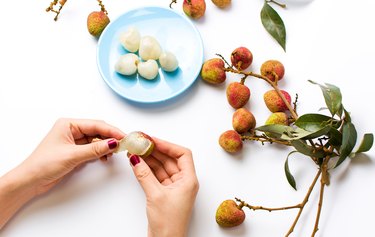

















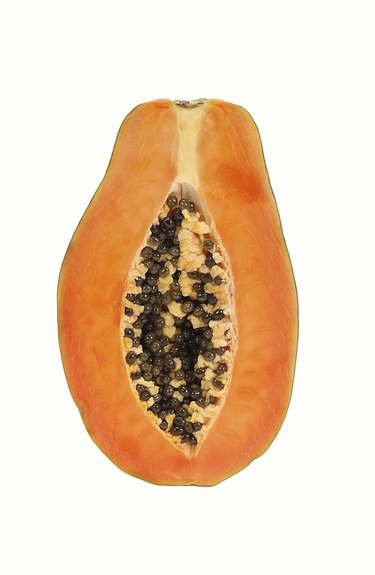


Spanish and Portuguese explorers found guavas in the West Indies and Central America and brought this plum-sized fruit to other areas of the world. In supermarkets, you can find many different varieties of guavas. The skin color ranges from greenish white to red, and the flesh color ranges from yellow to deep red. Some types of guava have smooth skin, while others have rough skin that some individuals prefer to remove. This fruit is an excellent source of dietary fiber, vitamins A and C, folate, thiamine, potassium and copper.
Members of some fruit groups seem to “go together” logically. The pome family, for example, consists of pears, quinces, apples and loquats – all similar in color, shape and texture. But when it comes to drupes...
Fruits are known for their high vitamin and mineral content, but that is not all that they contain. Fruits supply protein and fiber, which you need in your daily diet. According to the Centers for Disease Control and Prevention...
Healthful fruits and vegetables are rich sources of many nutrients, including fiber. Although your body can't digest fiber, this nutrient still has many health benefits. Eat a wide variety of fruits and vegetables to get the be...
Soluble fiber binds to fat, cholesterol and bile acid molecules in your small intestine, preventing them from being absorbed and carrying them out with fecal waste. Insoluble fiber adds bulk to your waste, increasing the size a...
Healthy people should consume 25 to 35 g of fiber every day, according to Ohio State University Medical Center. You need fiber from a variety of sources, including five servings a day of fruit and vegetables, so you take in bot...
One of the products LaLanne endorsed was a home juice extractor that was named after him. Juicers separate the fiber of a fruit or vegetable from the juice, to provide pulp free juice that is fresh and full of nutrients. The Ja...
Depending on the variety, the color of a guava is pale green or yellow. When ripe, the flesh of a peeled guava is reddish in color, and the flavor is sweet and refreshing. A whole guava has between 50 and 112 calories, and cont...
Fruits and vegetables are excellent sources of dietary fiber. Many fruits and vegetables provide soluble fiber which, according to the USDA's National Agricultural Library (NAL), can help lower blood cholesterol and prevent hea...
Fruit contains few calories, high fiber and low energy density. The fiber in fruit can help protect you from heart disease and may protect against certain cancers. The combination of low calories and high fiber can also help yo...
Despite this, most American adults eat less than half of the recommended 14 grams of fiber per 1,000 calories. Adding several daily servings of high-fiber fruit to your diet can help increase your intake.
Putting fresh fruit in your daughter's lunchbox, or sneaking some berries into your son's oatmeal at breakfast can help keep them full for hours. Fruits are naturally high in fiber, can be added to any meal or enjoyed plain, as...
Fruits contribute a number of essential nutrients to your diet, including several vitamins, minerals and beneficial phytochemicals that support good health. In addition, fruits provide a source of fiber and carbohydrates, which...
Fiber is the part of fruits, vegetables and grains not digested by your body. Fiber is essential in maintaining digestive system integrity and preventing chronic diseases. However, you may need to follow a low fiber diet if you...
The role of the large intestine is to extract excess water. When stool moves through your large intestines slowly, most of the water is taken out, leading to a hard, dry stool that is not easily passed by your colon. This is co...
However, the American Diabetes Association and the American Dietetic Association recommend incorporating fresh fruit into your daily diet. Most fruit contains fiber, which may help alleviate some of the health issues associated...
Both fruit and grain sources contain dietary fiber. Dietary fiber passes through your digestive system without breaking down, which helps to create bulk in your colon. This substance is needed for regular digestion and to preve...
Meats and dairy products contain no fiber, most fiber-rich foods are plant-based foods. By eating fruits and vegetables you can add fiber to your diet, but it is important to understand that the amount of fiber in each fruit an...
Questions about the best sources of vitamins and nutrients can come up when picking foods for your infant. Fruits are highly recommended by experts as a healthy option. They contain lots of fiber, great for your baby's digestio...
Dietary fiber refers to the complex carbohydrates that make up the portions of fruits, vegetables and grains that your body can't absorb. Fresh fruit offers plenty of soluble fiber, as well as vitamins, minerals and other esse...
The Harvard School of Public Health notes that not only can high-fiber fruits help you with quality-of-life problems like gas, bloating and weight gain, but they may protect you from serious illness. The school cites research l...
Fiber is so important because it helps your body move waste through the digestive system and out from the bowels. Fiber occurs as soluble, or water dissolved and insoluble, or bulk. Eating a healthy portion of daily fiber from ...
Dietary fiber is categorized as soluble, which dissolves in water, or insoluble, which increases stool bulk and bowel regularity. MayoClinic.com notes that the average total daily allowance for adult women is 21 to 25g and for...
Consume high-fiber fruits daily to maintain heart and digestive health. Fiber is found in the pulpy textured parts of fruits. Simply drinking fruit juice will not add to daily fiber intake. Whole or pureed fruits contain fiber....
From cherries and pears to pineapples and apples, a wide variety of fruits can be found in convenient canned versions. Although most canned fruits retain their nutritional value, look at the label to ensure your canned fruit's ...
Fiber fills you up, keeps your digestive system functioning properly, helps reduce your cholesterol levels and can help protect against some forms of cancers. All fruits and vegetables provide some amount of beneficial fiber, a...
Fiber is the nondigestible parts of edible plants, so it is a component of all fruits and vegetables. Fiber provides beneficial effects on the body, including boosting digestion, lowering cholesterol levels, reducing the risk o...
Eating more fruit can help you lose weight, because fruit is typically low in calories and full of fiber. Fiber is a type of carbohydrate that the body can't digest. The 2005 Dietary Guidelines for Americans recommend two cups ...
Fruits and vegetables are healthy dietary choices. They are generally low in calories, high in vitamins and minerals, and excellent sources of fiber. Dietary fiber is indigestible and yet it is of benefit for many reasons. It p...
Fruit is an essential part of a healthy, fiber-rich diet. According to the American Cancer Society, fruits and other low-calorie foods are great choices that should be eaten regularly. It recommends having five or more servings...
Fruit is a good source of dietary fiber. Fiber, aside from preventing constipation, can lower the risk of diabetes and heart disease. According to MayoClinic.com, dietary fiber is not digested by the body, which is why it is be...
According to the U.S. Department of Agriculture and the Food and Drug Administration, Americans need at least 25 grams of fiber per day to maintain good health. Fiber is available in supplement form but it is also readily avail...
It passes through the digestive system and exits the body in the stool. Insoluble fiber creates bulky stools and helps reduce irregularity and constipation. Soluble fiber dissolves in water and helps you maintain low blood suga...
Fiber and fruit drinks are a delicious and healthy way to get certain nutrients. Fiber is a plant nutrient and fruit plants, as well as other plants, need fiber for structural support; humans need the fiber for healthy elimina...
This roughage moves through and cleans your digestive system. High-fiber diets can help prevent constipation, maintain healthy weight and may also discourage diabetes and heart disease, according to MayoClinic.com. High-fiber f...
Educate your child about how to make good food choices, and encourage her to enjoy high-fiber fruit as a replacement for other snacks which provide little nutritional value. It is important to remember that fruits are just one ...
You may have read books or articles which advocate eating high-fiber diets, or your parents may have insisted you finish your vegetables before leaving the table. Your parents were right; fruits and vegetables are an important ...
This is much less than the levels recommended in dietary guidelines. The suggested amount of daily fiber for adults ranges from 21 to 38 g per day, depending on age and sex. The fiber found in fruits, vegetables and whole grain...
High-fiber diets reduce the risk of appendicitis, colon cancer, constipation, diabetes, diverticulitis and irritable bowel syndrome, according to "The Well Adult."
Eating fruits and vegetables can help play a role in prevent...
Fiber is found in all plant-based foods. It is an important part of any nutritional diet, and including high-fiber fruits and vegetables in your meals is one of the best ways to make sure you get enough each day. Fiber cannot b...
Fruits and vegetables are an excellent source of dietary fiber, which has a wide range of important health benefits, including promoting weight loss and reducing the risk of developing a number of diseases. Increased fiber inta...
Fruits and vegetables provide valuable amounts of dietary fiber, in addition to potent vitamins, minerals and antioxidants, which help support a healthy immune system. To improve and maintain physical wellness and to help stave...
Regular fiber intake is critically important for a healthy diet. Fiber helps food move through the body. It lowers cholesterol, prevents heart disease, helps control blood sugar levels and relieves constipation. Fiber also make...
As you may know, fruit is a very healthy food choice, but not only for the vitamins and minerals. The fiber in fresh fruits, which typically consists of both soluble and insoluble fiber, has many important benefits. According ...