A diet high in fiber can normalize bowel habits, lower cholesterol levels, regulate blood sugar and assist in weight loss, according to MayoClinic.com. Increasing your fiber intake too quickly, however, can lead to bloating, gas, cramping and constipation. Introduce high-fiber foods to your diet over several weeks and drink plenty of water to prevent these side effects. Make dietary changes only after consultation with your doctor.
Dietary fiber plays an important role in many areas. Although your body won't digest or absorb this edible substance, the fiber in your diet can help promote normal bowel movements, control blood sugar levels and encourage weig...
When you have diverticula, the condition is known as diverticulosis. This condition can lead to diverticulitis, which is the inflammation of the diverticula. Symptoms of diverticulitis can include severe abdominal pain, fever, ...
The AHA notes that fiber, when eaten regularly, is associated with a decreased risk of cardiovascular disease. In addition, soluble fibers may aid in reducing your LDL, or "bad," cholesterol levels. The AHA recommends getting a...
Foods that contain fiber are beneficial to health in several ways. A diet that is rich in fiber can help reduce the risk of heart disease, diabetes and diverticulitis. Fiber also aids the motion of food in the digestive system ...
Most Americans do not meet daily fiber requirements; the average adult American only consumes about 15 g of fiber daily. It is best to get fiber from food, not supplements, which is why it is important to know which foods are g...
Constipation is whenever bowel movements stray from an individual's normal pattern. Constipation is just a symptom, not a disease. Everyone experiences constipation at some point in his life. Poor diet is usually the cause of c...
The goal is to get between 25 to 35 g of fiber each day. To meet this requirement without eating too many calories, aim to eat a diet rich in high fiber fruits and vegetables.
Fiber plays an important role in digestive health, although it is not a digested substance. Dietary fiber comes from plant food sources and is categorized as either soluble or insoluble. Soluble fiber partially dissolves in wat...
Dietary fiber is an important nutrient that most Americans are not getting enough of. The average fiber intake ranges between 12 g and 15 g a day, while the recommended intake, set by the Institute of Medicine in 2005, correspo...
Your body needs plant fiber for normal bowel function, blood glucose control, cholesterol management and weight maintenance. The typical American diet falls far short of professional guidelines, which suggest 21 g a day for wo...
A high-fiber diet promotes normal bowel function, reducing your risk of developing constipation and chronic digestive disorders such as diverticulosis and diverticulitis. When you eat high-fiber foods, you feel satiated quicker...
The Institute of Medicine recommends daily fiber intake of 25 grams for women and 38 g for men through age 50. After age 50, recommended daily fiber intake is 21 g for women and 30 g for men. Including high-fiber, low-sugar foo...
Dietary fiber is an essential part of a healthy diet. This form of fiber comes from portions of plants your body can't digest. Classified as soluble or insoluble, fiber differs by whether or not it dissolves in water. Your body...
By reducing the amount of fiber in your diet, you limit the amount of undigested material in your intestines, which typically decreases the amount of stool produced. A low-fiber diet necessitates limiting your consumption of ro...
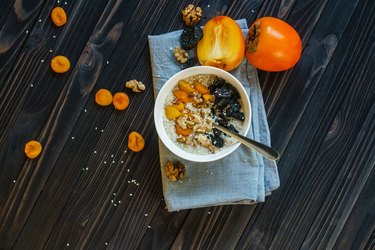
Eat plenty of healthy carbs like legumes, fruits, vegetables and whole grains to increase your fiber intake. Legumes are also low in fat and have a moderate amount of protein. Eat plenty of low-fat white-meat poultry and low-fa...
Calcium helps build strong bones and teeth, aids in muscle contractions, transmits nerve signals and promotes hormones secretion. Finding foods that contain all three may prove difficult because animal products do not contain f...
Finding foods that will be high in fiber does not have to be difficult. There are different foods to choose from so your diet does not seem boring. Countless websites provide lists of foods high in fiber.
However, the endosperm contains little nutrient value. The United States Department of Agriculture recommends choosing at least half of grain selections as whole-grain choices. Whole grains have more fiber than refined grains b...
Fiber is an important part of a healthy diet. It prevents constipation, aids in digestion and promotes the feeling of fullness. Fiber sometimes treats diseases such as diabetes, heart disease and diverticulosis, says Medline Pl...
According to MayoClinic.com, controlling weight and getting adequate nutrition can help stave off peptic ulcers. Doctors may order an increase in dietary fiber for at-risk patients.
Eating a wide selection of fiber foods fro...
The National Institutes of Health cites a 1998 U.S. study that found a 40 percent reduction in diverticulitis incidence among patients whose diets included foods with high insoluble fiber content. Food sources of insoluble fibe...
The recommended daily intake of fiber for adults under the age of 50 is 25 g per day for women and 38 g per day for men. However, according to the National Institutes of Health, the average American consumes only 14 g per day. ...
A diet rich in both soluble and insoluble fiber may be important for maintaining both cardiovascular and digestive health. High-fiber diets are known to reduce the risk of heart attack, stroke and digestive system cancers and c...
Constipation can make the condition worse. A high-fiber diet is recommended to help treat diverticulosis and prevent infection and inflammation of the pouches. It's important to consult with a physician before making changes to...
Other benefits of a fiber-rich diet include reducing your risk of developing heart disease and type 2 diabetes. According to MayoClinic.com, women should aim to consume 21g to 25g daily and men; 30g to 38g per day. Dietary fibe...
Fiber is an essential part of the human diet and necessary for normal colon--bowel--function. Insufficient dietary fiber can lead to anal fissures--bleeding cracks--hemorrhoids and chronic constipation. The typical meal should ...
Adding high-fiber fruits to your diet is one way to meet your fiber intake requirements. The Colorado State University Extension states that adult women under the age of 50 should try to eat 26 g of fiber each day. For men in t...
Additionally, women need at least 21g fiber a day, while men should consume at least 30, according to the website Mayo Clinic. Several fruit and vegetable options fill this low-carb, high fiber bill.

Fiber can improve your digestive health, lower cholesterol and reduce your risk for heart disease and some types of cancer. Most foods with high fiber come from plant sources.
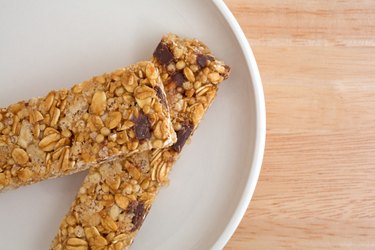
Fiber is an essential part of a complete and balanced diet. Soluble fiber is a digestible carbohydrate that helps control blood sugar and lower heart disease; insoluble fiber is an indigestible carbohydrate that helps regulate ...
The U.S. Department of Agriculture, or USDA, suggests eating foods high in fiber to reduce the risk of heart disease, promote healthy bowel function and help with weight loss efforts. The Institute of Medicine recommends adult ...
Fiber is the non-digestible part of plant foods. When you think of foods high in protein, you may think of meat and cheese, which have significant amounts of protein. However, animal products contain saturated fat and they don'...
Foods that are high in fiber often provide this feeling of satiety on relatively few calories, making high-fiber foods an excellent choice for dieters. According to the Mayo Clinic, there are two types of fiber, soluble and ins...
There are many benefits to consuming a diet rich in dietary fiber. Dietary fiber helps your food move more rapidly through the small intestine, promoting normal bowel function, according to "Essentials of Nutrition and Diet The...
Fruits, vegetables, legumes and whole grains are rich in fiber and phytochemicals, according to "Essentials of Nutrition and Diet Therapy." Eating these foods on a regular basis will lower your risk of heart disease, cancer and...
Unfortunately, the average American, male or female, consumes only 14g of fiber daily. For a food to be "high in fiber," it must provide at least 5g of fiber in a single serving, reports the "Gale Encyclopedia." There are two m...
Foods that are high in fiber can offer protection from heart disease, Type 2 diabetes and weight gain. People who eat a high-fiber diet were shown to have a 40 percent lower risk of developing heart disease than their counterpa...
Dietary fiber is found in fruits, vegetables, grains and legumes. This substance helps you feel full after eating and aids in digestion. Dietary fiber, or fiber found in foods as opposed to supplements, is the part of food your...
Daily recommended intake of fiber for adult females and males is 21g to 38g per day, according to MayoClinic.com. Knowing which foods to concentrate on provides a boost to ensuring you get your recommended intake of fiber. Incr...
It comes in the form of soluble and insoluble and both types serve different purposes. Insoluble fiber moves bulk through the intestines and prevents constipation, and soluble fiber binds to fatty acids, according to the Health...
Studies indicate that fiber may also decrease the risk of developing heart disease, colon cancer and diabetes, according to foods and nutrition specialists at Colorado State University Extension. Adults should eat 20 to 35 g of...
A diet high in fiber improves digestion and bowel movement regularity, according to MayoClinic.com. A daily intake of 21 to 25g for women and 30 to 38g for men is recommended. Whole grains, legumes, fruit and vegetables provide...
High-fiber foods are essential for maintaining good bowel health. As a healthy adult, you should aim to include 31 grams of fiber in your diet each day, according to the U.S. Department of Agriculture, or USDA. Knowing which fo...
In turn, this reduces your risk of developing heart disease.
The University of Wisconsin notes that, although no current dietary guidelines exist regarding fiber, the American Dietetic Association recommends that all adults...
When incorporated into a low-fat diet, eating fiber can help you reduce calorie intake and lose weight more efficiently, reports the University of Maryland Medical Center. Several foods, available at most grocery stores, can be...
The Mayo Clinic recommends that women eat 21 to 25 grams of fiber daily and that men eat 30 to 38 grams daily. How do you reach those totals? In general, high-fiber foods tend to be the least-processed foods: whole grains, legu...
Dietary fiber provides the body with bulk or roughage that allows normal bowel movements. If you suffer from constipation, a shortage of fiber may be to blame, so increasing your intake slightly may help. According to the U.S. ...
The top 10 filling foods are the foods with the most fiber because high-fiber foods make you feel fuller than any other food. "Dr. Atkins' New Diet Revolution" attributes this feeling to fiber being indigestible, its slowing do...
According to Jackson Siegelbaum Gastroenterology, dietary fiber promotes bowel regularity, enhances the immune system and can even help to prevent certain types of cancer. They recommend consuming 25-35 g of fiber every day, fo...
Whole grains provide more nutrition than refined grains. The Harvard School of Public Health reminds us that fiber can help prevent heart disease, diabetes and constipation. Low glycemic index (GI) foods do not cause a high ele...
The American Heart Association claims that eating a meal plan that is rich in dietary fiber can reduce our risks of developing a variety of health ailments such as heart disease, forms of cancer and diabetes. It is important to...
For example, insoluble fiber, which does not dissolve in water, balances stomach acidity and removes toxic wastes from the colon. Soluble fiber, which dissolves in water, binds with fatty acids, regulating blood sugar and lower...
Soluble fiber forms a gel-like consistency when it is consumed because it gets absorbed by water. Insoluble fiber creates bulk in the stomach, and it does not get absorbed in water. Both types offer valuable benefits to the bod...
It is also a great, natural way to lower the levels of LDL cholesterol in the body and is a necessity in maintaining a healthy digestive system. Eating foods high in soluble fiber also slows the speed that foods move through th...
Simple carbohydrates are sometimes called "bad" carbohydrates and generally include refined flours and sugars. Complex carbohydrates are sometimes called "good" carbohydrates and include starches and dietary fiber. Fruits, vege...
There are basically two types of fiber in foods, soluble and insoluble. Soluble fiber has the ability to dissolve in water and form a gel-like substance in the intestine that helps move food through the digestive tract. Oat bra...
While it is recommended that the average adult eat between 25 and 30 grams of fiber per day, the average American only consumes around 15 grams per day. There are many healthy foods which are also high in fiber. Adding these fo...
Fiber is an indigestible substance that is derived from carbohydrates. There are two types of fiber: insoluble and soluble. Insoluble fiber does not absorb water and it creates bulk in the intestines. This allows for faster pas...
Insoluble fiber is an essential part of a healthy diet. It works to keep food material moving through your digestive system. It doesn't break down in water, meaning it will bulk up your stools and make them easier to pass. Food...