













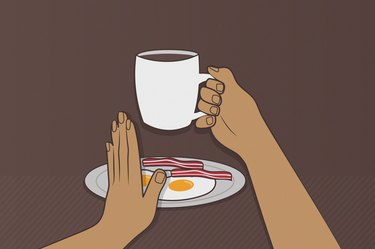









Untreated hypothyroidism can make it challenging to lose weight even if you follow a specific diet plan. The pages of the best-selling book “Body for Life” show people who transform from being out of shape and overw...
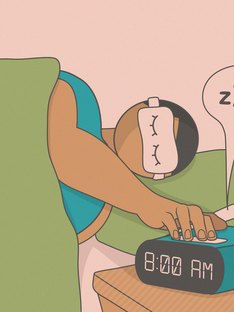
A low waking temperature can be a sign of an underactive thyroid. Milk contains the amino acid tyrosine, which is involved in regulating thyroid function. Consuming more dairy products throughout the day can help regulate your ...
Proponents of kombucha, a fermented drink, claim that it has a wide variety of health benefits, including boosting immune and liver function, preventing cancer and curing hypothyroidism. However, there are no human clinical stu...
Thyroid conditions are manageable with Western medications, but holistic approaches to healing like Ayurveda may also be an option for some individuals. Hypothyroidism can be a serious medical condition, so talk with your docto...
Melatonin, a sleep-inducing hormone, can reduce oxidative stress, a condition in which byproducts from the interaction of oxygen with molecules cause cell damage. Hypothyroidism, a condition in which the thyroid gland is undera...
Hypothyroidism can lead to a range of serious complications ranging from hair loss and unexplained weight gain to cardiovascular disease and depression. The disease occurs when your thyroid does not produce sufficient thyroid h...
Iron is important for many different processes in your body, including making new red blood cells. Sometimes problems in your body, such as hypothyroidism, can cause low levels of a protein called ferritin, which is a reflectio...
Your thyroid gland helps regulate your metabolism and the amount of calcium in your body by secreting of iodine-containing hormones. An insufficient amount of iodine in your diet can cause hypothyroidism. Kelp is a type of seaw...
Hyperthyroidism is the inadequate production of thyroid hormones. Symptoms of hypothyroidism include sensitivity to cold, pain, inflammation in your joints, weight gain and heart disease. An ancient holistic healing system, Ayu...
Hypothyroidism or myxedema is also referred to as having an underactive thyroid. Your thyroid is an important organ in the body and is responsible for your metabolism and other important functions. One of the signs of an undera...
...tterfly and is located in the front part of your lower neck. The amino acid tyrosine plays an important role in regulating your thyroid function and may also be used as an adjunct in the treatment of hypothyroidism. Speak to...
Hypothyroidism occurs when your thyroid does not produce enough hormones. Hypothyroidism may also be referred to as an underactive thyroid. When your thyroid is underactive, it affects your metabolism. If you already consume a ...
Hypothyroidism indicates a problem with your thyroid gland. This small, butterfly shaped gland has two lobes that sit on either side of your windpipe. It performs several functions, including maintaining the proper balance of c...
hypothyroidism and hypoglycemia are health conditions that may occur simultaneously in some individuals. In most cases, however, these two conditions occur independent of each other. According to PubMed Health, hypothyroidism o...
Kelp is a sea vegetable rich in iodine, an essential element for thyroid hormone production. Iodine deficiency can cause hypothyroidism, which is an underactive thyroid. Your thyroid produces T3 and T4 hormones, which control m...
...ticle published in Oct. 2004, and 13 million have not been diagnosed. Your thyroid gland produces hormones that help regulate your metabolism, body temperature, energy levels and moods. When you have hypothyroidism, your thy...
...ont of your neck. It uses the amino acid tyrosine, along with the mineral iodine to produce two primary hormones known as T3 and T4. A tyrosine deficiency can cause underactive thyroid, also known as hypothyroidism.
..., protein production and human development by releasing two hormones known as T3 and T4. All cells are likely targets for these hormones. A deficiency in the synthesis of thyroid hormones is known as hypothyroidism. It resul...
Hypothyroidism occurs when your thyroid does not produce adequate levels of thyroid hormone. The thyroid hormones are involved in many of your body's basic processes, including regulating your metabolism, body temperature and c...
Hypothyroidism occurs when your thyroid gland -- a gland situated in front of your voice box that helps control your metabolism -- produces insufficient quantities of the hormones thyroxine and triiodothyronine. MedlinePlus sta...
Hypothyroidism has become a much more common ailment in recent years, particularly in women over 60, according to Dr. Karen J. Carlson in "The New Harvard Guide to Women's Health," published in 2004. The exact reasons why this ...
The term hypothyroidism is a medical condition in which the thyroid gland does not produce sufficient metabolism-regulating hormones, such as thyroxine. According to the National Center for Biotechnology Information, the most c...
If you have hypothyroidism, it means that your thyroid gland is underactive, or produces too few hormones. Because these hormones play an important role in your energy and metabolism, many sufferers of hypothyroidism experience...
Hypothyroidism is a condition in which your thyroid gland does not produce enough thyroid hormone, causing changes in your metabolism and making it more difficult to maintain a healthy body weight. According to Pub Med Health, ...
Hypothyroidism is a condition in which levels of thyroid hormone are too low in your body, according to the American Thyroid Association. As a result, you may experience symptoms such as fatigue, feeling cold all the time, depr...
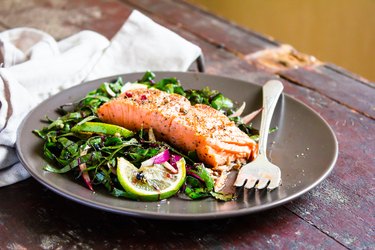
...ed for the health of your organs, including your thyroid gland. Although some have theorized that diet can affect the function of the thyroid gland, there does not appear to be any special "diet" for hypothyroidism. Still, t...
The thyroid gland is located at the front of your neck and produces thyroid hormone. Hypothyroidism occurs when this gland no longer produces enough hormone. Side effects are often weight gain, headaches, fatigue and constipati...
Your thyroid gland requires the mineral iodine to produce thyroid hormones. A rich source of iodine is kelp, a popular sea vegetable in Japanese cuisine. Inadequate iodine consumption can lead to hypothyroidism -- a condition t...
Hypothyroidism is a condition that is characterized by an underactive thyroid and inadequate thyroid hormone production. Common symptoms include fatigue, intolerance to cold, mental sluggishness and weight gain. The guggul her...
Hypothyroidism is a condition in which your thyroid gland doesn't produce enough of the hormones responsible for controlling metabolism. As a result of this condition, you may experience fatigue, cold sensitivity and weight gai...
...e, hormone-producing gland in your throat -- is essential to your overall health. The gland secretes a number of hormones, and controls a number of physiological processes, including your metabolism. Hypothyroidism can occur...
Hypothyroidism, or under-active thyroid, results in insufficient amounts of thyroid hormone to keep your metabolism within normal ranges. There are many thyroid medications on the market, including those that come from natural ...
Approximately 10 million Americans have hypothyroidism, a condition in which the body does not make enough thyroid hormone, which is mainly responsible for regulating the body's metabolism. Thus, symptoms of hypothyroidism migh...
The thyroid gland, located in the neck, is responsible for making thyroid hormone, which is needed to maintain proper metabolism. Hypothyroidism is a condition that occurs when the thyroid gland does not produce enough thyroid ...
Hypothyroidism, which is diagnosed when the thyroid gland does not output enough thyroid hormone, is usually treated with levothyroxine to help normalize hormone levels, according to MedlinePlus. Symptoms of the disease can inc...
Diets and weight loss programs always feel like uphill climbs, especially if you are fighting hypothyroidism. This disease impairs the thyroid gland and can lower your basal metabolic rate, or metabolism. The side effects of hy...
hypothyroidism, or underactive thyroid, occurs when your thyroid gland does not produce enough hormones. Women over 50 are especially susceptible to hypothyroidism. When left untreated, it may lead to weight gain, joint pain, h...
...ion and secretion. According to the National Endocrine and Metabolic Diseases Information Service, Hashimoto's disease is the most common cause of decreased thyroid hormone production, also known as hypothyroidism.
hypothyroidism is type of thyroid disease that occurs when the body doesn't produce enough thyroid hormone to properly regulate metabolism. One side effect from untreated hypothyroidism is unintentional weight gain, considered ...
Hypothyroidism is a condition in which your thyroid gland isn't functioning right. When this happens, your metabolism slows down, because the thyroid isn't producing enough of its hormone. Only about 0.5 percent of the U.S. pop...
...ts and even stress. The thyroid gland is responsible for regulating metabolism, so any malfunction with the thyroid would affect energy production, blood flow, body temperature and weight regulation. Hypothyroidism is an oft...
If you have hypothyroidism, your thyroid produces too few hormones, which play an important role in your energy, metabolism and moods. As a result, you may experience lethargy, weight gain, constipation, sleep difficulty and d...
Hypothyroidism is a condition where your production of thyroid hormone decreases below what your body requires. Among many side effects, your metabolism slows down, which often leads to weight gain. If you are living with hypot...
A normal-functioning thyroid gland helps you metabolize foods and nutrients and maintain healthy energy levels. If your thyroid is under-active -- a condition known as hypothyroidism -- you may feel sluggish, depressed and expe...
Hypothyroidism is the condition of having an underactive thyroid gland, which can lead to weight gain, fatigue, depression, hair loss, dry skin, muscle cramps, chills and fluid retention. Brown seaweed kelp absorbs iodine from ...
Your thyroid is a butterfly-shaped gland in your neck. Its ability to function affects the rest of your body and your organs. Exercise is helpful in fighting many diseases and conditions such as hypothyroidism. It can help prev...
Hypothyroidism, which is caused by too little thyroid hormone, can come from an immune system disorder, a congenital birth defect, radiation treatments for hyperthyroidism or surgery. Alternative health care professionals use v...
Hypothyroidism can make exercising more difficult due to inadequate cardiovascular support. Hypothyroidism impairs blood flow and oxygen delivery throughout the body, so you must depend on your body's stored glycogen to power y...
You may have hypothyroidism if your thyroid gland -- a gland in the front, lower portion of your neck -- does not make sufficient amounts of thyroid hormone. The National Center for Biotechnology Information states that the mos...
Hypothyroidism is caused by an underproduction of thyroid hormones, and common symptoms include fatigue, weight gain, dry skin, hair loss, difficulty concentrating, loss of appetite, intolerance to cold, a slow heart rate and i...
Hypothyroidism is the medical term for an under-active thyroid. The thyroid is a gland found at the base of neck that produces hormones that help to regulate metabolism. If your thyroid is under-active, it means that your thyro...
Hypothyroidism, also called an underactive thyroid, occurs when your thyroid does not make sufficient amounts of certain hormones. Symptoms include sluggishness, fatigue, constipation, increased sensitivity to cold, pale skin, ...
According to the American Thyroid Association, there is no cure for hypothyroidism, which is characterized by an underactive thyroid gland that does not produce enough thyroid hormone. However, hypothyroidism can be managed and...
Hypothyroidism is a chronic condition in which your thyroid gland produces deficient amounts of hormones. This can affect your metabolism, moods and energy. If your thyroid is under-active, you may experience lethargy, increase...
Insufficient production of thyroid hormone causes hypothyroidism. The American Academy of Family Physicians' website states that women over 50 years of age are more commonly affected than other population groups. If not treated...
Hypothyroidism is caused by a deficiency of the thyroid hormones T3 and/or T4 in the body. According to Ross Trattler, N.D., in his book "Better Health Through Natural Healing," numerous nutritional deficiencies can cause or co...
Hypothyroidism is a disorder of the thyroid gland that results in an underproduction of thyroid hormones. Common symptoms include fatigue, sluggishness, dull or dry skin and hair, constipation, lack of motivation, slow heart ra...
Hypothyroidism is a chronic condition marked by poor production of thyroid hormones, according to Phyllis Balch, author of "Prescription for Nutritional Healing." These hormones help control metabolism, or the conversion of foo...
hypothyroidism results when the thyroid gland fails to produce adequate amounts of thyroid hormone. Symptoms of hypothyroidism include fatigue, cold intolerance and weight gain. Although conventional medicine routinely treats h...
Hypothyroidism is a condition caused by insufficient production of hormones needed for conversion of nutrients into energy. This condition affects more than 5 million people in the United States, and primarily affects females, ...
Physicians treat hypothyroidism with synthetic thyroid hormone. According to the Mayo Clinic website, no hypothyroid diet exists and there is no evidence that eating certain foods or avoiding them will ameliorate your thyroid f...
If you have been diagnosed with hypothyroidism, you can combat some of the common side effects such as weight gain and low energy levels with exercise. By taking into consideration your condition, you'll be able to create a wor...
hypothyroidism occurs when the thyroid gland, part of your endocrine system, doesn't make enough thyroid hormone, which controls metabolism. Commonly caused by inflammation, hypothyroidism may also happen to women after pregnan...
The thyroid gland performs numerous functions in the body, including making energy and regulating body temperature. Hypothyroidism is a medical condition in which the thyroid gland, consisting of triiodothyronine (T3) and thyro...
hypothyroidism is a condition that causes your thyroid gland to produce too few hormones. Since the thyroid gland helps regulate your metabolism -- the rate at which food is converted into energy -- hypothyroidism may cause wei...
Hypothyroidism, a thyroid hormone deficiency, affects as many as 10 percent of women and 6 percent of men over age 65, the Merck Manuals Online Medical Library reports, but can also occur in younger people. The disease is easie...
Hypothyroidism, or underactive thyroid, is a medical condition where the thyroid gland does not produce adequate amounts of certain important hormones, explains MayoClinic.com. Symptoms vary widely, though common signs include ...
Hypothyroidism, or an underactive thyroid, occurs when the thyroid gland does not produce enough hormones. This condition is usually caused by an autoimmune disease such as Hashimoto's thyroiditis, thyroid gland removal or medi...
More common in women than men, Hypothyroidism is when the thyroid gland does not produced an adequate supply of hormones. Hypothyroidism can be caused by a number of factors, such as hormone imbalances, lack of hormone conversi...
Hypothyroidism is a condition in which your thyroid gland is not making enough hormones to regulate your metabolism. David Cooper in the "Medical Management of Thyroid Disease" says some symptoms include fatigue; dry, scaly sk...
Hypothyroidism is a medical condition in which the thyroid gland does not produce adequate amounts of thyroid hormone. Low thyroid hormone can result in a number of symptoms, including fatigue, weight gain, hair loss, constipa...
hypothyroidism is a condition in which the thyroid gland fails to produce enough thyroid hormone. It can be caused by several diseases or deficiencies. Some individuals with hypothyroidism have developed the condition due to no...
...oidism a condition characterized by underactivity of the thyroid. This means that the thyroid doesn't produce enough hormones. Women, especially those age 50 and older, are most likely to suffer from hypothyroidism. Symptoms...
Hypothyroidism is a common disease. It has been diagnosed in more than 1 percent of the American population. Approximately 5 percent of people older than 60 years of age suffer from this disorder. Hypothyroid diseases occur whe...
Hypothyroidism is a result of the body's thyroid gland secreting an insufficient amount of thyroid hormone. While this illness can be debilitating and potentially can lead to even more serious health complications, it can also...
hypothyroidism refers to a condition in which the thyroid gland is underactive. The Mayo Clinic says that symptoms of hypothyroidism includes fatigue, constipation, muscle weakness, joint swelling and depression. Other symptoms...
Hypothyroidism, or underactive thyroid, is often associated with weight gain. The cause and the amount of weight gain vary among individuals, depending on the severity of the condition as well as dietary and lifestyle habits. I...
hypothyroidism is a condition in which your thyroid makes too little of the hormone thyroxine. The Merck Manuals report that the overall results of hypothyroidism is a slowing down of the vital bodily functions. According to Al...
hypothyroidism is a syndrome that is caused by an insufficient production of thyroid hormones. Thyroid stimulating hormone (TSH) is increased with primary hypothyroidism, and the main cause is usually Hashimoto's disease. Secon...
...roid is a gland, shaped like a butterfly, located at the bottom part of the neck. According to the National Institutes of Health, the job of the thyroid is to release hormones that affect metabolism. Hypothyroidism occurs wh...
Hypothyroidism, or an underactive thyroid, is a condition that needs to be treated with medication and monitored by your doctor. While you can't control your condition with diet alone, the correct diet---along with your medicat...
According to an Endocrine Web article by Dr. James Norman, hypothyroidism is "a condition in which the body lacks sufficient thyroid hormone." The thyroid is a very important part of the endocrine system. The gland secretes th...
hypothyroidism is a condition where the thyroid gland does not produce enough thyroid hormones. According to the Mayo Clinic, it is the most common thyroid disorder. Symptoms of hypothyroidism include weight gain, fatigue and i...
...f the front of the neck. This gland is responsible for producing the hormones triiodothyronine (T3) and thyroxine (T4). When the thyroid gland doesn't produce enough of these hormones, it's known as hypothyroidism. Hypothyr...
hypothyroidism is the result of an underactive thyroid that does not produce the proper amount of hormones. The condition primarily affects women over the age of 50. While hypothyroidism does not produce symptoms in the early s...
Hypothyroidism is a condition in which the function of the thyroid gland decreases. The thyroid is a butterfly-shaped gland in the front of the neck that produces the hormones, which control metabolism. The most common cause of...
...lism and it also helps regulate temperature. This is why it has been called the body's "thermostat." When it becomes underactive, some key hormones are not being released and the condition is called "hypothyroidism." This ca...
The thyroid is a butterfly-shaped gland in the lower portion of the neck, below the voice box, or larynx. It releases two hormones, T3 and T4, which are responsible for controlling the body’s metabolism. The thyroid do...
The thyroid is a butterfly-shaped gland that resides in the lower portion of the neck below the voice box or larynx. It releases two hormones called T3 and T4, which are responsible for controlling the body’s metabolism...
Childhood hypothyroidism is a condition where a child's thyroid gland does not produce enough hormones in the bloodstream and, as a result, the body does not function normally. It is a condition that needs to be diagnosed and ...