
























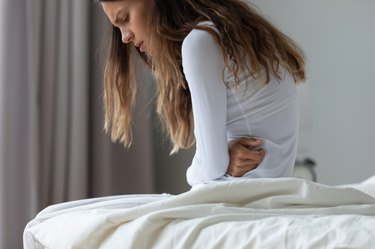
















Typhoid fever is an acute infection caused by the Salmonella typhi bacterium. Infected adults can present with symptoms such as fatigue, abdominal pain, high fever, constipation, and a rash. Although modern-day sanitation methods and increased personal hygiene measures are responsible for the reduction of typhoid cases in the United States and other economically developed countries, typhoid fever is still prevalent in other countries worldwide.
Travelling
Underdeveloped countries with poor sanitary conditions still suffer from typhoid fever outbreaks that affect approximately 21.5 million people each year. The Centers for Disease Control and Prevention (CDC) report a mortality rate of up to 30 percent for those who contract this disease. Although typhoid fever can be treated if detected early, prevention guarantees a better outcome. According to the Mayo Clinic, anyone traveling to endemic areas such as Asia, Africa and Latin America should receive a vaccination for typhoid fever, drink bottled water and avoid eating raw fruits and vegetables.
Typhoid Carriers
Typhoid carriers are asymptomatic, otherwise healthy, individuals who carry the bacteria. The Merck Manual states that the bacteria travels from the stomach into the bloodstream and can eventually invade multiple organs. The bacteria, usually harbored in the gallbladder or kidneys, can shed through stool and urine and unsuspectingly infect others. Mary Mallon, better known as Typhoid Mary, received infamy in the 20th century as a typhoid carrier who passed infection on to others.
Contaminated Food and Drink
Salmonella typhi bacteria present in feces, or sometimes urine, can be transferred to food and water sources via poor hygiene. Consuming food and drink handled by an infected person that practices improper hand washing after a bowel movement can lead to infection. Anyone who drinks water or a beverage with contaminated ice can become susceptible to typhoid infection. Raw vegetables and fruits may also contain bacteria if washed in contaminated water. Like the Mayo Clinic, the CDC recommends that raw foods, fresh produce, and local water sources be avoided in endemic areas. Foods prepared by street vendors should also be avoided as the food may not have been cooked thoroughly enough to kill any present contamination.
Other Transmission
Coming in contact with the feces of someone who is infected with Salmonella typhi is another way to become infected. For example, touching anything contaminated with fecal matter in the rest room and then touching the mouth prior to hand washing may lead to infection. Other modes of infection can include handling contaminated baby diapers and bed linens. Proper hand washing is important in the prevention of this illness.


