

















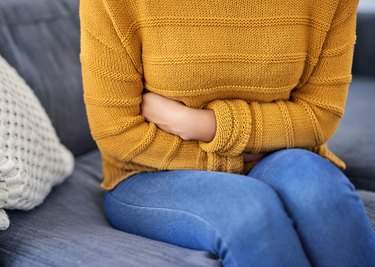















Bladder control problems, medically known as incontinence, are an uncomfortable fact of life for many women. Bladder control problems include stress incontinence -- leakage triggered by a laugh or a sneeze, and urge incontinence -- leakage after a strong, sudden urge to urinate -- and can worsen as you age, due to loss of muscle tone in your pelvic floor. Overactive bladder, another bladder problem, can cause frequent urination, as can urinary tract infections. If you develop bladder control problems, you should see your physician to rule out dangerous diagnoses. Many women are turning to herbal remedies to improve bladder tone and control; with the help of your physician, you can decide if these alternative remedies are right for you.
Horsetail Remedy for Bladder Control
Step 1
Obtain horsetail -- or Equisetum arvense -- from a reputable herbal company, making sure you do not purchase Equisetum palustre, another form of horsetail that is toxic to horses and is not considered safe for humans
Step 2
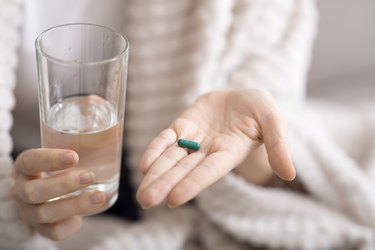
Take 300 mg of the horsetail in capsule form up to three times a day, or a horsetail tincture at 1 to 4 milliliters daily to calm the lining of your uterine tract and control the spasm of bladder muscles, which may help decrease urinary incontinence. According to the Practical Herbalist website, horsetail -- in addition to its antispasmodic qualities -- has antibacterial properties that may make it useful in preventing urinary tract infections, a cause of bladder incontinence.
Step 3
Drink plenty of water while you are taking the horsetail, due to its diuretic qualities.
Step 4
Take a B complex vitamin while you are taking the horsetail, and don't take horsetail for longer than a month. According to the University of Maryland Medical Center website, the use of horsetail can decrease thiamin levels.
Other Herbal Remedies for Bladder Control
Step 1
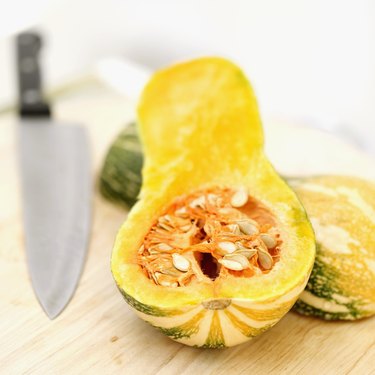
Take 250 mg of pumpkin seed extract twice daily with meals for two weeks. The seeds are rich in essential fatty acids and phytoesterol, which can have a beneficial effect on bladder health, particularly after menopause. According to the Wellsphere website, a study of menopausal women resulted in three out of four of the women experiencing significant improvement in urinary tract and bladder control.
Step 2
Take 300 mg of a standardized extract of St John's wort, or hypericum, two to three times a day. According to the University of Maryland Medical Center website, this herb may be used for symptoms of urinary incontinence.
Step 3
Take 1 g of buchu leaves daily for the herb's antiseptic and diuretic effect. It may seem illogical to take a diuretic for bladder control. However, according to the Wellsphere website, buchu's antiseptic and diuretic effects can help clear the urinary system of inflammation and infection, both of which can cause frequent urination.
Things You'll Need
- Capsules of Equisetum arvense, or horsetail extract, in standardized form
- Horsetail tincture (optional)
- B complex vitamins
- 250-mg capsules pumpkin seed extract
- 300-mg capsules St. John's wort
- Buchu leaves


Member Comments