




























































Safety Rules for Campfires

Safety Rules for Campfires
Photo Credit camp fire image by Maximilian Effgen from Fotolia.com

A campfire is one of the quintessential parts of camping. From roasting marshmallows to cooking over an open flame, no camping trip is complete without the warm glow of a fire. But fire always poses a hazard, so keeping in mind important safety rules can not only keep you and your family safe, it can help protect the forest and wildlife where you're camping.

Check Fire Regulations

Some camping sites are in fire-regulated areas and, during peak fire season, there may be restrictions on the size or ability to start a campfire. Find out what the danger level is in your area and adhere to the restrictions. Starting a fire when it's restricted can increase the chance of a forest fire. Many campsites also prohibit building fires outside of fire pits or other designated areas.

Build a Pit

If there is no fire pit at your campsite and you know it's okay to build one, gather rocks and dig a small pit where you can start your fire. Form a ring with the rocks big enough to build a decent-sized campfire. Never build a pit near low-lying brush, twigs or piles of leaves.

Don't Use Fuel

If you want to be a real camper, don't rely on fuels like gasoline or starter fluid to start your fire. Using matches, small twigs, dry leaves or other flammable debris can help you get your fire started, without the safety risk of flammable liquids. Gasoline can spread to other areas of the campsite as well as cause the fire to burn out of control and out of the pit.

Keep the Essentials on Hand

Always have plenty of water and a shovel near the fire in case it burns out of control. Use the shovel to dump dirt on the fire, which can help douse the flames quickly. For extra safety, pack a fire extinguisher with the rest of your camping equipment. You never know when it will come in handy.

Take Care When Cooking

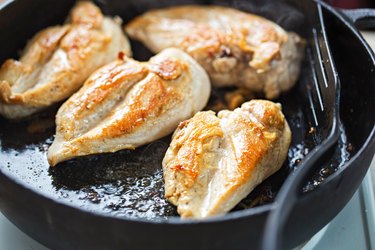
Be extremely careful when cooking greasy foods over the campfire. Grease ignites flames and can create a dangerous fire hazard if you're not careful. Don't pour water on a grease fire. If you're cooking food with heavy grease, keep a bucket of dirt handy in order to douse the flames rather than using water.

Make Sure It's Out

Many campfires are caused by smoldering coals campers thought were out when they left the campsite. Leave yourself plenty of time when packing up your camp for your trip or even for the day to make sure your fire is fully out. Check the fire several times before going to bed to make sure it's been put out properly. Move ashes and burnt logs around to expose still-smoldering embers and douse them with water.

References

Article reviewed by Melissa Heyboer Last updated on: May 29, 2010

Must see: Photo Galleries

Member Comments