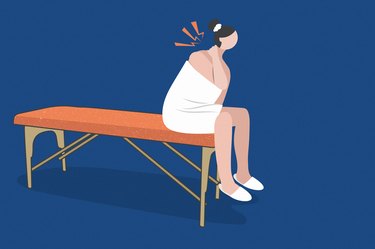








































































Extreme fatigue differs from fatigue associated with tiredness or sleepiness. A feeling of tiredness or sleepiness goes away with adequate rest and sound sleep. A pattern of fatigue that does not go away with rest and nutrition may indicate an underlying disease or cause that a doctor should evaluate. An ongoing physical or mental condition that causes extreme fatigue may or may not be treatable.
Anemia
The red blood cells contain hemoglobin, or a protein high in iron, which carries oxygen throughout the body. Anemia is a reduction in the number of red blood cells, which causes a reduction in the oxygen-rich blood that reaches the tissues and organs of the body. Causes of anemia include blood loss, inadequate red blood cell production and destruction of red blood cells. The National Heart Lung and Blood Institute reports that the most common symptom of anemia is fatigue. Anemia ranges from mild to severe, which may require a blood transfusion or blood and marrow stem cell transplants to produce new blood cells.
Chronic Fatigue Syndrome
Chronic fatigue syndrome, or CFS, is prolonged, severe fatigue that does not go away with rest, and there are no known underlying conditions contributing to the fatigue. MedlinePlus, a service of the National Institutes of Health, reports that CFS is most common in women from age 30 to 50. No diagnostic criteria exist for CFS. The only way to obtain a diagnosis is to rule out other causes of fatigue, such as infections, autoimmune disorders, depression, muscle diseases, tumors or nerve disorders.
In addition to the extreme, long-lasting fatigue, symptoms associated with CFS include a mild fever, joint pain without swelling, forgetfulness, difficulty concentrating and muscle aches. CFS treatment focuses on symptom management, such as good nutrition, muscle relaxation and sleep aids.
Cancer-Related Fatigue
Cancer-related fatigue, or CRF, is common in all types of cancer and cancer treatment. The extent of the fatigue depends on the location of the cancer and the type of treatment regimen required. The National Cancer Institute reports that fatigue is common following chemotherapy or radiation therapy, with long-term fatigue more common in older patients with advanced cancer or those receiving both types of therapy. Other causes of CRF include underlying anemia, toxins from the treatment, anxiety, sleep disorders and medications in addition to the chemotherapy.
Sjogren's Syndrome
Sjogren's syndrome is a chronic autoimmune disorder where the body destroys its moisture-producing glands. Excessive fatigue, muscle aches and pains, joint pain, dry mouth and dry eyes are common symptoms of Sjogren's syndrome. There are two types of Sjogren's syndrome: primary--the disease is not associated with any other illness; and secondary--other diseases such as systemic lupus erythematosus or rheumatoid arthritis are present. The Cleveland Clinic reports that more than a million people in the United States have Sjogren's syndrome, and over 90 percent are women.


