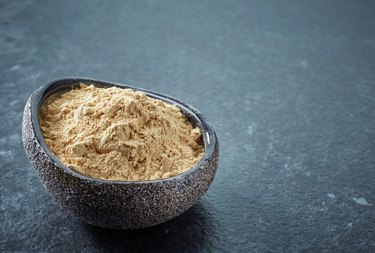
If you've heard of maca, you may want to add the powder to your supplement regimen to boost your health, energy and libido. Just be sure to learn about maca root side effects first. It shows great promise as a supplement, but research about its benefits and side effects is limited.
Tip
Maca root is a popular and potentially effective supplement when it comes to improving mood and sexual function. It's likely safe to consume, but some people, especially women with hormone-sensitive conditions, may do best to avoid it due to potential side effects.
Video of the Day
About Maca Root
The plant, maca, grows in the harsh conditions of the Andes Mountains of Peru. Sometimes, maca is referred to as Peruvian ginseng.
Video of the Day
Used for more than 3,000 years as a food, maca is a cruciferous vegetable related to the radish. It smells like butterscotch and is consumed roasted and baked. It can also be made into a soup or drink. Maca root contains compounds called hypocotyls that make it a powerful ingredient in traditional medicines, explains research published in an August 2016 issue of Pharmaceuticals.
When maca is consumed as a supplement, it's usually dried and ground into a powder. Maca powder is easily added to smoothies, oatmeal and sweet treats. Not everyone enjoys the flavor of maca powder, which is described as earthy and nutty. Many colors of maca exist, including white, red and black.
Benefits of Maca Root
Maca is said to have numerous health benefits. Traditionally, maca root is said to relieve symptoms of anemia and chronic fatigue syndrome, according to MedlinePlus. Maca root also purportedly improves energy, athletic performance, stamina and memory.
Read more: Does Diet Affect the Menstrual Cycle?
Women going through menopause or who have menstrual problems also take the root to find a resolution in some of their symptoms. Maca is said to help with both male and female infertility and supposedly boosts libido and sexual performance in both sexes. Other benefits of maca pointed out by Medline Plus include relief from:
- Osteoporosis
- Stomach cancer
- Leukemia
- HIV/AIDS
Research in the Pharmaceuticals 2016 study compared the benefits of red and black maca extracts with placebo. When participants consumed 3 grams of either version of maca daily for 12 weeks, they did experience improvements in sexual desire, mood and energy. Red maca seemed to boost the mood and energy of participants better than black maca and was better at relieving chronic mountain sickness. Black maca had the added benefit of reducing blood glucose levels in participants.
Other research, published in a February 2015 issue of Climacteric found that 3.3 grams of maca root taken per day for six and 12 weeks by postmenopausal women positively improved the diastolic blood pressure levels, the bottom number on a reading that represents the pressure when your heart rests between beats. Maca also improves reported markers of depression in postmenopausal women.
Additionally, maca root has shown it has the ability to improve sexual dysfunction in women taking antidepressant medications. The journal Evidence-Based Complementary and Alternative Medicine published a study in April 2015 showing that 3 grams of maca root had this positive effect after 12 weeks of consumption.
Maturitas published research in October 2016 demonstrating the potential of maca root in improving male fertility, too. In a review of five studies, it was found that maca may have a positive effect on sperm motility and semen quality. The researchers conducting the review warned that this total number of trials was not conclusive and had a small sample size and a risk of bias that prevented firm conclusions about the benefits of maca root powder when it comes to men's fertility.
Read more: 10 Foods to Fire Up Your Love Life
Maca root is also rich in certain nutrients. It's a good source of carbohydrates with 12 to 13 grams per 2-tablespoon serving, of which 3 to 4 grams is healthy fiber. Maca is also a source of iron, potassium, vitamin C and calcium. It has small amounts of zinc, copper, and manganese, too.
Maca Root Hype
Despite seemingly positive reports from people taking maca and some preliminary research, a paper published in the Journal of Ethnopharmacology in January 2018 states that the health claims of maca aren't fully supported from a scientific standpoint.
The researchers warn that much of the local lore surrounding maca in an indigenous context has been taken out of context to meet the needs of a Western market, which is attracted to a potential aphrodisiac and fertility enhancer. But, before maca root powder can be widely recommended, far more research is needed. The research doesn't malign any side effects from maca root powder, however.
Maca Root Side Effects
Regardless of whether the benefits of maca root powder are hyped, consumption of the supplemental powder doesn't seem to have many serious side effects. The study in Pharmaceuticals reported that consumption of 3 grams of red or black maca extract daily for 12 weeks seemed to have no serious adverse effects.
MedlinePlus reports that maca root powder is "likely safe" for most people when taken as a food. Maca root is possibly safe when taken as a supplement in doses of up to 3 grams daily for as long as four months. The National Institutes of Health notes that small clinical trials show that maca extracts have only very mild, passing side effects.
Certain populations should be cautious about maca powder side effects, however. Not enough reliable information is available about the effects of consuming maca during pregnancy or lactation, so it's best to avoid it at these times.
Women who have hormone-sensitive conditions should also stay away from the root. If you've had or have breast cancer, uterine cancer, endometriosis, uterine fibroids or ovarian cancer, ask your doctor before taking maca. Maca may have estrogenic qualities that could worsen these conditions. These qualities are why maca was used for centuries in the Andes as a method of managing female hormone balance and symptoms of menopause.
Read more: Which Foods are High in Natural Estrogen?
Maca root side effects don't include drug contraindications either. It has no known interactions with medications or with other herbs and supplements.
Research on maca is, however, still scant and inconclusive. Dosage recommendations range from 500 to 3,000 milligrams daily, reports the National Institutes of Health. Science has not established an appropriate range of doses for the supplement, however. If you're considering adding maca root powder to your diet, talk to your doctor first.
- Climacteric: "Maca Reduces Blood Pressure and Depression in a Pilot Study in Postmenopausal Women"
- Pharmaceuticals: "Acceptability, Safety, and Efficacy of Oral Administration of Extracts of Black or Red Maca (Lepidium meyenii) in Adult Human Subjects: A Randomized, Double-Blind, Placebo-Controlled Study"
- Journal of Ethnopharmacology: "Is the Hype Around the Reproductive Health Claims of Maca (Lepidium meyenii Walp.) Justified?"
- MedlinePlus: "Maca"
- Evidence-Based Complementary and Alternative Medicine: "A Double-Blind Placebo-Controlled Trial of Maca Root as Treatment for Antidepressant-Induced Sexual Dysfunction in Women"
- Maturitas: "The Use of Maca (Lepidium meyenii) to Improve Semen Quality: A Systematic Review"
- National Institutes of Health: "Maca"
- Database of Abstracts of Reviews of Effects (DARE): Quality-Assessed Reviews: "Maca (Lepidium meyenii) for Treatment of Menopausal Symptoms: A Systematic Review"
- USDA Nutrient Database: "Organic Maca Powder"
- USDA Nutrient Database: "Raw Organic Maca Powder"