















































Foods for a Low-Salt Diet

Foods for a Low-Salt Diet
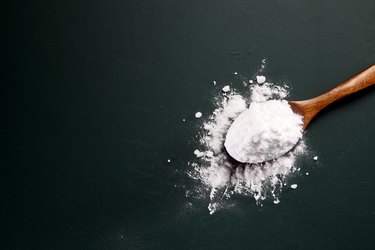
Photo Credit salt and pepper image by Rog999 from Fotolia.com

According to Dr. Gary Schwartz, a hypertension specialist at the Mayo Clinic, most people in the U.S. eat more salt than they should, increasing their risk of heart disease and stroke. Other increased risks include kidney stones and osteoporosis. Schwartz advises avoiding canned or processed foods and cutting back on eating out, particularly at fast food restaurants where salt is used in massive amounts. Read labels, and when you use canned foods, rinse them to remove some of the sodium.

Fresh Food

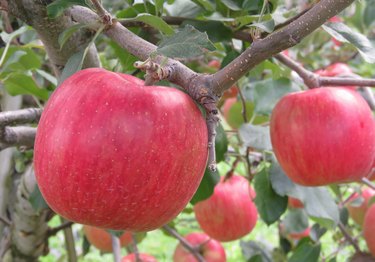
Increase your consumption of fresh or frozen food, advises MayoClinic.com. Fresh fruits and vegetables don't have added salt, so the sodium you eat in produce is limited to what it naturally contains. Apples contain approximately 1 mg of sodium, so they are a safe snack for people on restricted sodium diets. Other low sodium produce includes avocado, broccoli, cauliflower, melons, peaches, berries and tomatoes.

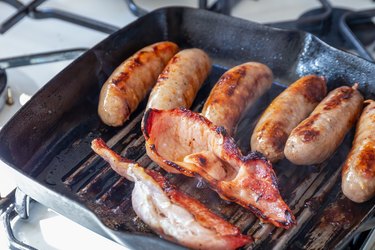
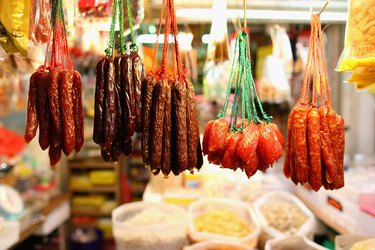
Opt for fresh meat rather than processed meats such as hot dogs, bacon, sausage and lunch meat. Read labels and talk with your butcher about purchasing meats that have not been injected with a flavoring or preservative solution containing sodium. Fresh pork only contains approximately 65 mg of sodium per serving, while cured ham can have as much as 930 mg.

Processed Foods

If you choose to purchase processed foods, read the labels. Some companies offer low-sodium varieties of many of their products. This is often listed on the front of the item. Every milligram of sodium counts toward your daily allowance. MayoClinic.com advises not going over 2,300 mg of sodium for healthy adults and 1,500 mg if you have kidney disease or high blood pressure or are diabetic. MayoClinic.com also recommends the lower amount for middle-aged or older people. When eating processed foods, it's easy to go over the recommended maximum amount. Some of the processed low-sodium foods include vegetables, beans, soups, broths and bouillons. Most of them contain some salt, so don't forget to add it to your daily tally.

Breads, Cereals and Grains

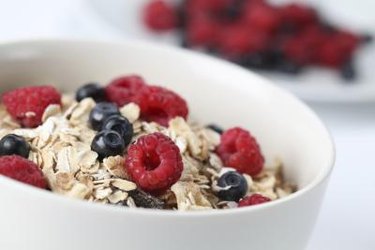
The University of California San Francisco Medical Center claims that Americans eat about 20 times more sodium than they need. The medical center recommends low-salt bread, cereal and grain alternatives to those that are high in sodium. Choose bagels, rolls and breads without salted tops. Most muffins and boxed cereals are low in sodium, but you should still check the labels to count them toward your daily sodium allowance. Rice and pasta are low in sodium as long as you don't add salt to the water while cooking. Popcorn, chips, pretzels, breadsticks and crackers come in low-sodium varieties. You can also eat most corn and flour tortillas without adding too much salt to your diet.

Dairy

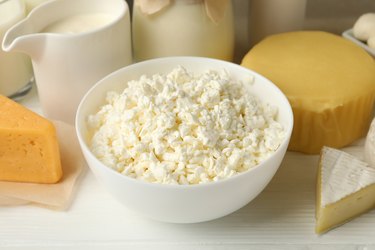
Avoid consuming too much salt from the dairy aisle. Purchase milk, yogurt, ice cream and low-sodium cheeses rather than high-sodium buttermilk, processed cheese and cottage cheese. Don't forget to count what you cook and garnish your food with. It's easy to overlook the processed cheese you sprinkle on your taco, but every ounce of it counts when you need to restrict your sodium.

Restaurant Food

Most fast food is high in sodium, so limit the number of times you grab a bite at a drive-through. Dine-in restaurants are more likely to prepare your food to your specifications if you request a low-sodium meal. MayoClinic.com recommends requesting that your food be prepared without salt. Don't use the salt shaker at the table and limit high-sodium condiments such as ketchup, pickles, mustard and soy sauce.

References

Article reviewed by David Bill Last updated on: Aug 3, 2010

Must see: Photo Galleries

Member Comments