









































































Healthiest Diets in the World

Healthiest Diets in the World
Photo Credit mediterranean snack image by araraadt from Fotolia.com

In some parts of the world, people live longer and lead healthier lives, with much lower risk for many chronic diseases. Though culture and genetic differences may partially explain this phenomenon, healthy regional diets deserve much of the credit for the wellness enjoyed by people who live in these areas. On the surface, the healthiest world diets may seem very different from each other, but they actually have features in common that help to prevent diseases afflicting much of the Western world.

Types

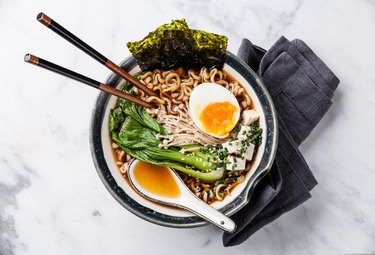
Most studies of healthy world diets focus on the Mediterranean diet and the Japanese diet. The Japanese diet is from the island nation of Japan, while variations of the Mediterranean diet are found in countries surrounding the Mediterranean Sea. Countries with variants of the Mediterranean diet include Greece, Italy, Spain, Portugal, and France.

Features

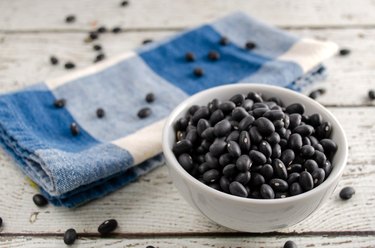
In both Mediterranean and Japanese diets, seasonal fruit and vegetables play a starring role. Both diets feature legumes, which include azuki and soybeans in Japan, or many dry bean varieties in the Mediterranean. These diets emphasize healthy unsaturated fats, such as olive oil in the Mediterranean and fatty fish in both diets. Perhaps just as important as foods frequently eaten are foods that are rarely consumed, or eaten in very small portions, such as meat and processed convenience or snack foods.

Benefits

In a 2006 review of dietary intervention studies published in "Nutrition Reviews," Dr. Lluis Serra-Majem and co-authors found that the Mediterranean diet increased longevity and decreased the risk of cardiovascular disease, cancer, and diabetes-related conditions such as insulin resistance and metabolic syndrome. Dr. Yasuyuki Nakamura and colleagues found similar benefits to the Japanese diet in a 2009 study published in the "British Journal of Nutrition." In a 1996 study in the "American Journal of Epidemiology," lead author Dr. Boji Huang found that Japanese men who moved to Hawaii had a much lower risk of diabetes if they retained their Japanese dietary habits, compared to men who switched to a more western diet upon moving to the United States.

Expert Insight

According to a 2007 study led by Dr. P.N. Mitrou and published in "Archives of Internal Medicine," high fruit, vegetable and legume consumption accounts for most of the protective benefits observed in the Mediterranean diet. These foods, also abundant in the Japanese diet, contain high levels of antioxidants, which may help to reduce damage caused by waste products of normal cellular metabolism. In addition, the healthy fats in both diets, especially the omega-3 fatty acids in fish, help to reduce inflammation and improve blood cholesterol profiles, reducing risk for cardiovascular disease.

Considerations

Cultural factors that encourage physical activity and smaller portions may contribute to the health benefits in Japan and the Mediterranean. In addition, it is important to remember that no world diet is perfect. Dr. Nakamura notes that the Japanese diet is high in salt, which is associated with gastric cancer and stroke; even greater longevity might be possible with salt restriction.

References

Article reviewed by GlennK Last updated on: Aug 13, 2010

Must see: Photo Galleries