


























































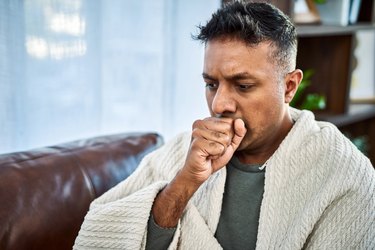
Meningitis refers to inflammation of the protective outer membrane of the spinal cord, usually due to infection. In some cases, meningitis develops as a complication of surgery on the spinal cord or surgery performed under epidural or spinal anesthesia. According to anesthesiologist Wayne Kleinman in the 2006 edition of Clinical Anesthesiology, although rare, most cases of meningitis result from improper disinfection of surgical equipment, contaminated anesthetic solutions or tracking of bacteria from the skin during needle insertion.
Fever
As with any infection, fever counts among the cardinal symptoms of meningitis. Although fever due to meningitis is usually high---over 102 degrees Fahrenheit---many post-op patients use pain medications that also counteract fever. Therefore, a subjective sense of feverishness in the absence of measurable increase in body temperature, chills and shivering should never be overlooked in the post-op patient.
Pain
According to the Mayo Clinic, patients with meningitis usually describe two types of pain: a headache and a stiff neck. Headache due to meningitis is severe and persistent; patients often describe it as unlike any headache they've ever had in the past. Stiff neck due to meningitis causes constant, dull pain exacerbated by movement. In fact, the back of the neck becomes palpably tense and patients often describe resistance when moving or turning the head. Resistance is a key symptom that helps differentiate pain due to meningitis from pain due to puncture headache, which is a common side effect of procedures that use epidural or spinal anesthesia that, like meningitis, also presents about three to five days after surgery.
Mental Status Changes
Doctors use the term "mental status changes" to describe any change in a person's alertness, thought processes and personality. According to the National Institute of Neurological Disorders and Stroke, patients with meningitis commonly exhibit mental confusion, inability to concentrate, sleepiness and difficulty waking. Children, in particular, may have difficulty maintaining eye contact. Although these symptoms can also be a normal part of recovery from surgery, meningitis symptoms usually begin around the time the patient should be improving.
Nausea and Vomiting
Initially, patients with meningitis may demonstrate little interest in eating or drinking. Over the course of a day or even a few hours, lack of appetite may progress to nausea and vomiting. Nausea and vomiting may accompany exacerbations in other symptoms, particularly mental status changes. Nausea and vomiting due to meningitis occur too late during the post-op course to reasonably be attributed to side effects of anesthesia and usually begin after the patient has been cleared to resume a normal diet.
References
- "Clinical Anesthiology, 4th edition;" G.E. Morgan et al.; 2006
- National Institute of Neurological Disorders and Stroke: Meningitis and Encephalitis
- Mayo Clinic: Meningitis Symptoms


