



































































Humans evolved sleeping on organic beds. Beds of leaves and boughs became straw beds. In the 14th century the best beds were made of feathers from geese and chickens; the down made soft, warm beds. However, sometimes the feathers got out, even when the fabric envelope that held them was waxed. The mattresses could be too warm or be too soft, or they could cause the sleeper to sneeze. After World War I, with the advent of petroleum products, most beds were made of inorganic materials. Dozens of chemicals were used to make them fire-resistant, bug-resistant and durable. Some may be carcinogenic. Now, there is interest in making the modern bed organic again.
Health Benefit
Allergies are an issue for both kinds of beds; while some people are allergic to feathers, some believe allergies can be created by intimate, cumulative exposure to non-natural substances. The new rubber beds have low allergic potential. Further, Habitat Furnishings claims natural latex "is a completely undesirable environment for dust mites, bacteria, mold, mildew, fungi, even certain viruses and other microbes."
Feathers to Barley
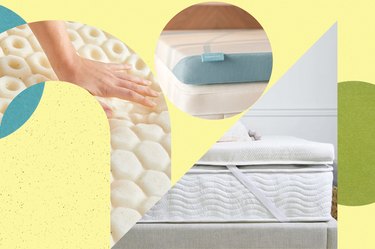
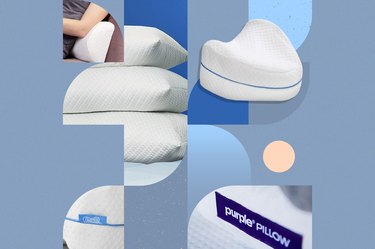
Lifekind, a typical organic bed manufacturer, offers beds of wool or cotton or natural latex. The company claims on its website that a natural bed helps to regulate body temperature, among other things. Pillows are made of a lot of organic materials these days. Feathers are still available. So are grains such as barley, Lifekind says.
Chemical Sensitivities
Non-organic mattresses can be treated with formaldehyde, boric acid, antimony and other chemicals. People with chemical sensitivities may find this kind of mattress un-endurable. Sleeping with the face next to all these chemicals might cause some people to have skin eruptions or breathing problems. The current organic beds are mostly natural latex in an envelope of either cotton or wool. These substances do not usually cause people with chemical sensitivities to react.
Environmental Concerns: Manufacturing
When the country is trying to lessen its dependency on oil, getting an organic bed fits in with that goal. Most of the latex comes from outside of the United States. It encourages sustainable development in places such as Sri Lanka.
Environmental Concerns: Disposal
Disposing of urethane beds, made of petroleum products, can be more of a problem than disposing of an organic bed because the decomposition time is greater. Non-organic mattresses have many parts that can be recycled, but the dismantling is labor-intensive. Chemical retardants can leach into ground water if the mattress is dumped in a landfill. If you buy organic mattresses, be sure to turn them and use a mattress protector to get the most life out of them.
References
- Old & Interesting: History of Featherbeds & Duvets
- LifeKind: Trouble Sleeping?
- Prescription Beds: Percentage of Toxic Chemicals in Mattresses
- "Chicago Tribune": New flammability regulation for mattresses, renewed concerns about chemicals
- Habitat Furnishings: Pristine And Green, Natural Latex Beds Have Been Around A Lot Longer Than You Think


Member Comments