














































Aches From Osteoporosis

Aches From Osteoporosis
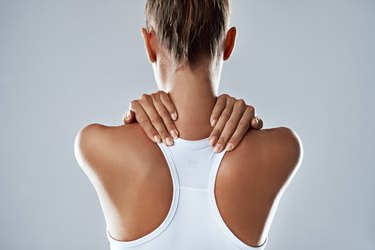
Photo Credit bare back image by msw from Fotolia.com

Throughout life, old bone is constantly being broken down and replaced with new bone. New bone is replaced faster then it is broken down in childhood, and peak bone strength is usually obtained in the twenties. After that, bone is broken down faster then it it replaced. If bone gets broken down even faster than is normal, the bones can become frail and osteoporosis can develop. Osteoporosis is often called a "silent" killer, because it can exist without causing any symptoms until it is serious. In some cases, aches and pain from a fall or fracture are the first warning sign of this disease.

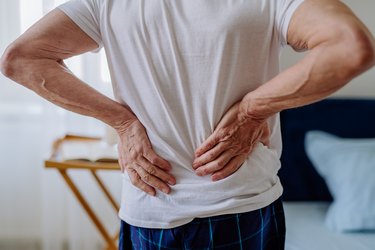
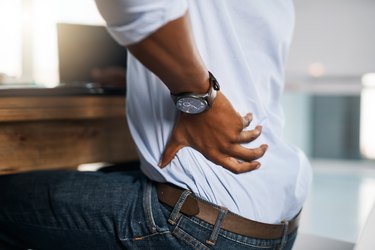
Back Pain

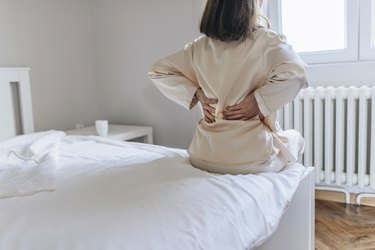
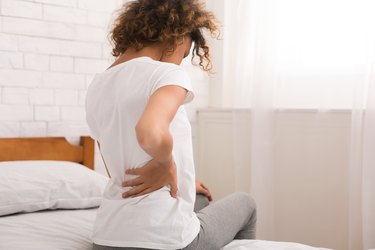
As the bones of the spine are weakened by osteoporosis, they are no longer able to support the weight of the body. This can lead to the vertebra collapsing and developing compression fractures. Compression fractures are breaks in the vertebra that cause them to become compressed. As this occurs, there is often a loss of height and the development of a rounded upper back, or kyphosis.
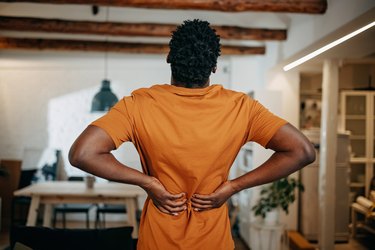
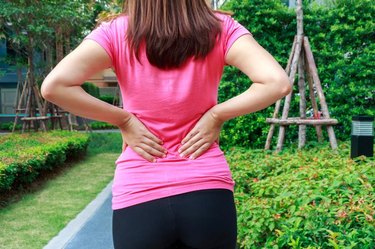
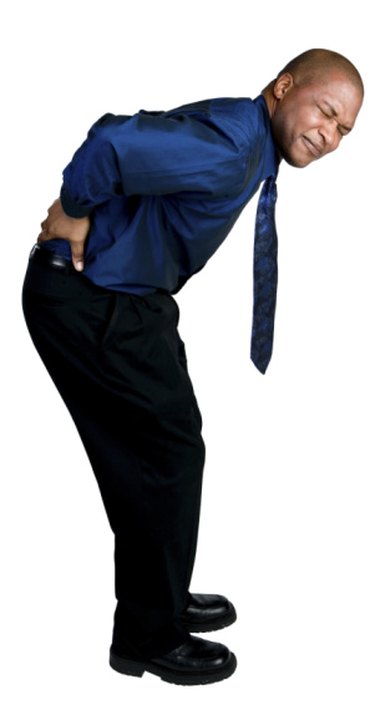
The postural changes created by compression fractures can lead to lower back pain, claims Johns Hopkins. If the kyphosis becomes severe, the upper back and neck may begin to ache as well. This is due to the muscle strain caused by a hunched upper back and forward shoulder and head position.

Hip Pain

The hips are another area of the body that can be affected by osteoporosis. As the hip bones weaken, the risk of a hip fracture rises. While hip fractures can be the result of a fall, in cases of severe bone loss, a hip fracture can occur during routine activities, warns the National Institutes of Health. Pain from a hip fracture usually comes on suddenly, and if serous enough, it can lead to a loss of independence. The best bet is to take steps to prevent a hip fracture. This involves getting regular bone density tests, so that osteoporosis can be caught and treated in the early stages before a fracture occurs.

Wrist Pain

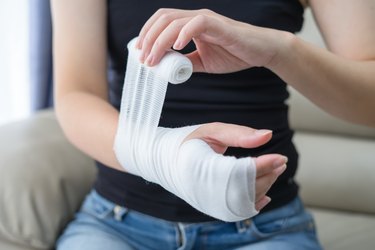
The wrist bones can also be weakened by osteoporosis. For those with osteoporosis, even a minor fall or bump can cause a fracture in the wrist, states the American Academy of Orthopaedic Surgeons. Wrist fractures can cause pain, swelling, bruising and the wrist may look deformed. The good news is that if osteoporosis is diagnosed early on, exercise, diet and medication can all help to slow and sometimes reverse bone loss in order to prevent fractures.

Rib Pain

Severe osteoporosis can also weaken the rib bones. According to the New York State Osteoporosis Prevention and Education Program, when this occurs, just coughing, sneezing, bending over or twisting can cause a rib fracture. Pain may be felt in the ribs or chest and it may hurt to take a deep breath. In most cases, rib fractures can heal on their own under a doctor's care.

References

Article reviewed by Brad Walters Last updated on: Sep 2, 2010

Must see: Photo Galleries