

















































About Getting Tested for an STD

Text size:  |  Post a comment  |  Print  |   | 
Add to my favorites

Overview

Sexually transmitted diseases (STDs) are a major medical issue, not just for personal care but for the public at large. STDs range from annoying and painful infections to life-threatening illnesses. Getting tested for STDs can be daunting, but the process itself is fairly quick. In addition, the results are usually provided anonymously.

In Absence of Symptoms

In general, women should receive a Pap smear and a pelvic exam annually once they have turned 21, regardless of whether they have symptoms of any sexually transmitted disease. It is important to remember, however, that although these procedures can detect some STDs, it is not a full STD test. Gynecologists can, however, perform a full STD scan if requested.

Recommendations

The Mayo Clinic recommends that men who have sex with other men receive yearly screenings for several STDs, including syphilis, chlamydia, gonorrhea and HIV. Homosexual men as a whole are at greater risk of developing STDs, and syphilis and HIV can be fatal if untreated. In addition, gonorrhea and chlamydia infections can raise your risk of getting other STDs. In addition, men and women who are sexually active and have had a new partner or partners should get screened annually for chlamydia and gonorrhea at a minimum.

Blood Tests

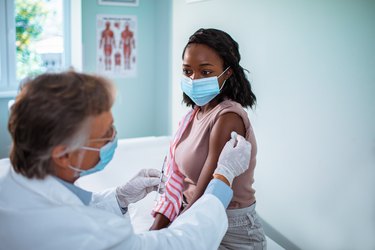
Some STDs are best tested for via a blood sample. These include tests for HIV, syphilis, and hepatitis A and B. Although blood tests take longer and are more invasive, for these infections it is the most reliable (and sometimes only) way to detect the infection.

Other Methods

Some STDs can be tested for without drawing blood. Chlamydia and gonorrhea, for example, can be detected either via a urine test or a "swab" (in which a cotton swab is stuck into the penis for a man, or over the cervix for a woman) to detect the infection. This is because neither of these infections is viral in nature and, as a result, can be isolated from the infected areas.

Undetectable STDs

Although these tests can detect a number of STDs, there are some infections for which there is no good test. This includes genital warts and HPV. Although there are blood tests for these infections, they are not particularly reliable and, as a result, a negative test does not mean that one has not been infected.

About this Author

I am an MD/PhD student at the University of Chicago with a very strong writing background. I am committed to writing high quality content on a variety of subjects, especially health, medicine, entertainment, humor, and sports.

Last updated on: 10/27/09

Article reviewed by Tad Cronn

Member Comments

0 down up

by getSTDtested on September 23, 2009 at 9:50 AM

Getting tested is the only way to truly achieve peace of mind. Order confidential STD tests online and get STD tested today. GetSTDtested.com offers local STD testing for all STD tests and HIV testing. We also offer an at home Chlamydia test & gonorrhea test.

Tools

Track your daily calories. See how many calories you burn and consume.

BMI is a measurement of body fat based on height and weight.

Map your local running, cycling, walking and hiking routes and track your calorie burn.

Find us on the web, receive emails and use our mobile app to keep you motivated.

This tool will help you to decide whether to treat at home or see a doctor.