



































































A histamine reaction is essentially an allergic reaction, according to the Merck Manuals Online Medical Library. Histamine is the primary chemical responsible for allergic reactions. Allergic reactions can cause nasal issues, eye irritations and skin rashes. Many histamine reactions are the result of exposing the immune system to substances that cause an overreaction. A histamine reaction can be triggered through airborne substances, foods and medications.
Function
Histamine is a part of the body's natural defense system, according to the American Academy of Allergy, Asthma and Immunology. The human body protects itself with certain antibodies, mast cells, proteins, white blood cells and histamine, according to Merck. When an allergen enters the body, the immune system produces immunoglobulin E, or IgE, a type of antibody. The antibody joins itself with white blood cells and enters the blood. Once delivered to mast cells, the IgE antibody causes mast cells to release high levels of histamine.
Effect
The effect of histamine released in the body is common allergy symptoms, according to MedlinePlus. Symptoms include upper-respiratory reactions, skin rashes and asthmatic reactions. Upper-respiratory reactions include sneezing, watery eyes, an irritated throat and nasal congestion. Skin rashes may appear in the form of hives or eczema, depending on the person's condition and medical history. Histamine also plays a vital role in allergy-induced asthma by causing inflammation in the airways, according to the Asthma and Allergy Foundation.
Treatment
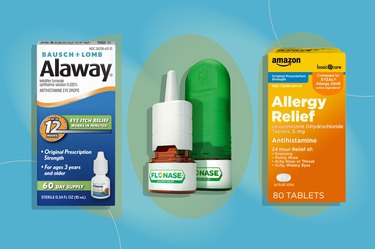
Treatment includes the use of medication and allergy shots, according to the Merck. The most common medication to control a histamine reaction is an antihistamine. An antihistamine prevents the mast cells from producing histamine, alleviating most allergy symptoms. Allergy shots are also used for people with food allergies, airborne allergies or insect bite allergies. Allergy shots are given by an allergist over the course of a few years to desensitize the immune system to an allergen.
Complications
A severe histamine reaction can cause someone to go into anaphylactic shock, according to MedlinePlus. During anaphylactic shock, histamine causes the entire body to react to the allergen and can lead to death if not properly treated. The most common causes of anaphylactic shock is an allergy to a medication or food. Common symptoms are trouble breathing, dizziness, nausea and vomiting, and a faint pulse. Emergency medical care is required.
Prevention
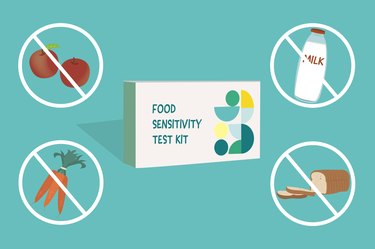
A histamine reaction can be prevented by avoiding triggers that lead to an allergic reaction. An allergist can administer allergy tests to determine the substances that are causing the body to produce histamine.


