




























A major concern for women, bacterial vaginosis is the most common reoccurring vaginal infection, affecting 10 to 64 percent during their reproductive years, according to "Bacterial-Vaginosis." E. coli infections, multiple sexual partners, and even intrauterine device usage, have all been attributing factors to the onset of this bacterial infection, leaving women suffering from severe irritation, inflammation and grayish discharge from the vagina.
The standard medical approach utilizes the application of prescription antibiotic creams and oral medication; however, a growing number of home remedies are available with like positive results.
Douching for Vaginosis
"Everywoman's Book," describes douching as one of the oldest and most tested treatment for vaginal infections. Applying a mixture of two tablespoons of cider vinegar with one quart of warm water two times daily will acidify the vaginal environment, preventing unwelcome bacteria from multiplying, and destroy that which is already present. Insert the tip of the applicator, and sealing the vaginal opening with the other hand to ensure proper cleansing of the entire vaginal canal with minimal spillage.
Herbal Applications to Treat Vaginosis
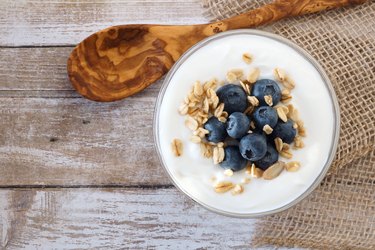
Lactobacillus Acidophilus, an active and highly advertised ingredient in yogurts, is very effective in increasing the body's acid levels. "Everywoman's Book" recommends oral intake of acidophilus capsules four times per day to lower the body pH level in order to combat the bacterial infection. "Bacterial-Vaginosis," recommends applying a tampon saturated with yogurt into the vaginal canal. This provides direct application of lactobacillus acidophilus to the irritated region, helping recover the natural vaginal flora.
Nutritional Supplementation for Vaginosis
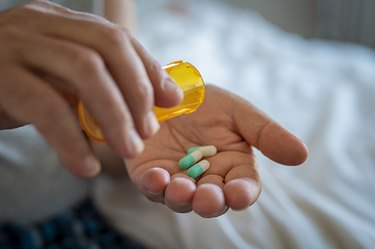
Vitamin supplementation has proved its effectiveness in treating many diseases and disorders. Bacterial infections are no exception. Women with frequent re-occurrence of vaginosis often have a deficiency of some vitamins necessary for the healing, and prevention of future flare-ups.
According to "Encyclopedia of Natural Healing," a B complex, consisting of B1, B2, and B6, should be taken twice daily at fifty mg dose, to alleviate itching of the mucous membrane. Vitamin E, taken with tocopherols, at a 400 IU dosage will help prevent dryness of the vagina resulting from hormonal imbalances. To further support health of the mucous membrane, a recommended supplement of vitamin A may be administered. Vitamin A should be avoided if the patient is currently pregnant, due to the increased risk of birth defects associated with this vitamin while taken during pregnancy.
With all supplementation, it is recommended to consult a health care provider to assure the method of treatment is proper for your personal need and health condition.
References
- Bacterial-Vaginosis.com: What Causes Bacterial Vaginosis
- Bacterial-Vaginosis.com: Home Treatments for Bacterial Vaginosis
- Everywoman's Book; Paavo Airola, N.D., Ph.D.: 1979
- Encyclopedia of Natural Healing; Siegfried Gursche, M.H.; 1997


Member Comments