



































































An allergic reaction causing the lips to swell is an alarming condition, and it needs immediate medical attention, according to the Merck Manuals. Swollen lips may be a sign of anaphylactic shock, which can be life-threatening. Talk with a doctor for a professional diagnosis and treatment. Do not attempt to self-treat.
Cause
According to the American Academy of Allergy, Asthma and Immunology, swollen lips are the result of a chemical chain-reaction of the immune system to a foreign substance. When the immune system recognizes a substance as harmful, it will attempt to fight it off with IgE antibodies that release histamine in the body. The chemical reaction will also cause the blood vessels in certain parts of the body to dilate, such as in the lips. Increased blood flow causes the lips to swell.
Triggers
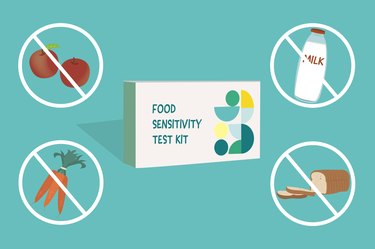
Some of the most common allergens that trigger lip swelling are medications, foods, insect bites, muscle relaxants and latex, according to MayoClinic.com. Anyone can develop an allergy to any medication. Swollen lips are a sign of a severe allergic reaction. Stop taking any medication that causes swollen lips and talk with the doctor. Certain foods such as milk, shellfish, nuts and eggs can cause swollen lips. Bees, wasps, hornets and fire ants are the most common insects that cause an allergic reaction of swollen lips.
Other Symptoms
Other symptoms that may accompany swollen lips are hives, shortness of breath and tongue swelling, according to MedlinePlus. Hives are a skin rash that is extremely itchy and can appear in a matter of minutes. Shortness of breath is a sign that the airways are being affected by the allergic reaction. The tongue may swell along with the lips as the blood vessels in that area of the body dilate. Someone with more than one of these symptoms should get immediate medical help.
Complications
In rare cases, an allergic reaction with swollen lips may lead to anaphylactic shock, a life-threatening condition. Anaphylactic shock is an extreme allergic reaction that affects the entire body and can stop a person's heartbeat. Swollen lips may be one of the first signs of the onset of anaphylactic shock. If the person with swollen lips becomes mentally confused or faints, call 911.
Considerations
The American Academy of Allergy, Asthma and Immunology recommends talking with an allergist. An allergist can determine the cause of the swollen lips and recommend effective treatments. An allergist may recommend immunotherapy to control the allergy symptoms.