





































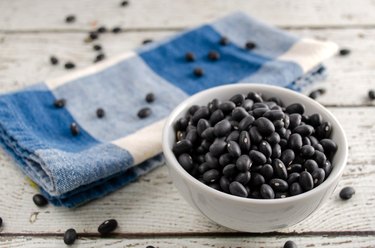
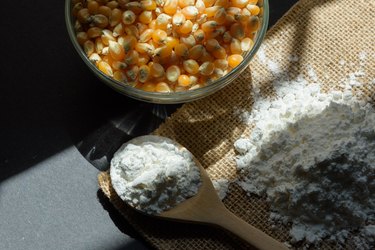



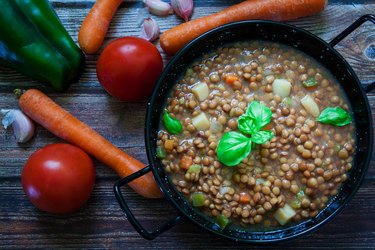

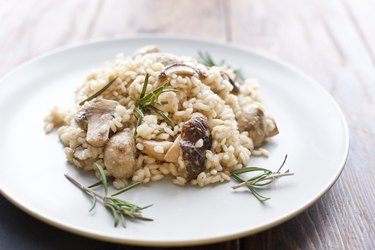














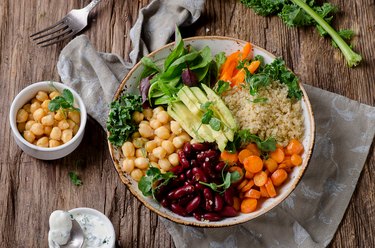


Fiber in the diet has been shown to be critical to good health. Most Americans eat roughly half as much fiber as is necessary to derive the full benefits from fiber-rich food, which include lowering blood cholesterol levels; reducing the risks of certain cancers, such as colorectal; making you feel full, which helps control your weight; slowing your digestion; and protection from such maladies as constipation, hemorrhoids and diverticulitis. Experts recommend whole food plants, which contain the entire seed of the plant and are rich in many types of dietary fiber..
Fiber-Rich Foods
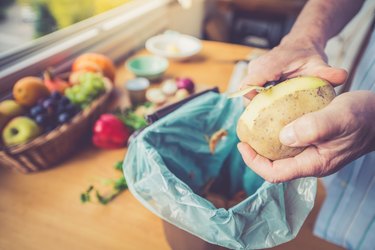
The Today's Dietitian website lists a slew of fiber-rich foods, in addition to whole grains. Common sources are bran, which can be sprinkled onto cereal, and beans, one of the richest natural sources of fiber. Berries are known for their high levels of antioxidants but are also packed with fiber. Vegetables are dense with fiber, especially deep green leafy vegetables such as spinach and brassica vegetables such as cauliflower and broccoli, and squash. Nuts and seeds contain healthy fats alongside fiber, and potatoes with the skins on delivery a good dose of fiber. Fruits in many forms--fresh, dried or frozen--are good sources of fiber, while most fruit juices are not.
Fiber-Fortified Foods
There are hundreds, if not thousands, of fiber-fortified foods on the market, including dairy products such as milk and yogurt, fruit juices, granola bars, soy milk, bread, orange juice and even some desserts. You can get the same benefits from the fiber in fortified foods as in natural fiber foods, but there are some drawbacks. As explained on the Health website, many fiber-fortified foods contain added sugars, artificial ingredients, additives and preservatives. Don't substitute fiber-fortified foods for a diet that is rich in fruits, vegetables, whole grains, and the other naturally fiber-rich foods.
Whole Grain Foods
Whole grains include barley, brown and wild rice, buckwheat, bulgar, millet, oatmeal, popcorn, whole-wheat bread and whole-wheat pasta. Take care to identify whole grain and fiber-rich foods when you at the grocery store. Words such as "natural" and "grain" are often listed on packaging, but that is no guarantee that you are buying the good stuff. Look for packaging that says "whole grain" or "100 percent whole grain," or make sure that "whole grains" is one of the first ingredients on the label.
Alternative Sources
Food scientists are developing alternative sources of fiber, according to Roger Clemens, a professor at the University of Southern California. These sources include tree bark, algae, seaweed, and fruit and vegetable peels. Such alternative sources of fiber can be put into everything from chocolate to baby food.


Member Comments