Popeye may have made spinach famous, but the leafy green powerhouse has more than met expectations.
It's a rich source of vitamin K, a fat-soluble vitamin that's perhaps one of the most important nutrients for blood clotting. Like vitamin D and calcium, it also supports healthy bone development, according to the National Institutes of Health (NIH).
Video of the Day
How Much Vitamin K Do You Need?
Adults assigned female at birth need 90 micrograms of vitamin K per day and adults assigned male at birth need 120 micrograms per day, according to the NIH.
Most people in the United States get enough vitamin K via their diets and because our bodies can make small amounts of it.
Still, certain groups of people might have trouble getting enough, including infants who don't receive a vitamin K injection at birth, people with certain chronic conditions that decrease nutrient absorption (such as celiac disease) and people who've had weight-loss surgery, per the NIH.
Video of the Day
Read on for a list of foods high in vitamin K — many of which come from those leafy greens you love — based on the percentage of their Daily Values (DV). Note that the FDA calculates its DV percentages based on eating 120 micrograms (mcg) of vitamin K per day.
Warning
Vitamin K can dangerously interfere with the blood thinner warfarin (Coumadin). If you take a blood thinner, talk to your doctor about how to incorporate foods high in vitamin K into your diet.
1. Spinach: 888.5 mcg, 740% DV
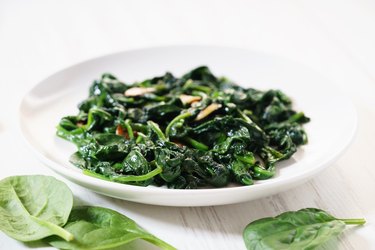
A 1-cup serving of cooked spinach provides 740 percent of the DV for vitamin K, making it a top choice for the blood-clotting nutrient. The popular veggie is also high in vitamin A and plant-based (non-heme) iron.
2. Collard Greens: 772.5 mcg, 644% DV
Popular in Southern cooking, collard greens are cousins to broccoli and cabbage. They're often cooked — adding a fat source like oil or butter increases your absorption of fat-soluble vitamin K — and a 1-cup serving offers 644 percent of the nutrient.
Not sure how to use collard greens? Try one of these easy, antioxidant-rich recipes.
3. Kale: 544.1 mcg, 453% DV
Kale is a good alternative to spinach because it's lower in oxalic acid. Wait, what?
Spinach is high in oxalic acid, which can interfere with calcium absorption, according to the National Osteoporosis Foundation. Kale provides similar nutrition, including 453 percent of the DV for vitamin K per cup cooked, without the high levels of oxalates. (That said, spinach is still an excellent vegetable for nutrition — it's just nice to mix things up once in a while.)
4. Broccoli: 220.1 mcg, 183% DV
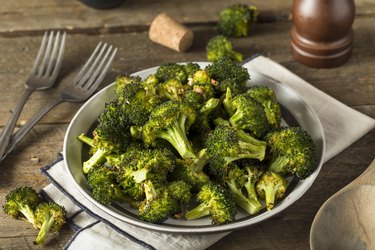
Kids should really learn to eat their broccoli. Per 1-cup serving, it provides 183 percent of the DV for vitamin K to support bone development, 112 percent of the DV for vitamin C and a good amount of fiber.
Try roasting broccoli with salt and pepper for a crunchy quesadilla mix-in or, yes, a snack.
5. Brussels Sprouts: 218.9 mcg, 182% DV
The love-'em-or-hate-'em cousin of broccoli, Brussels sprouts offer comparable nutrition and remain a staple on the Thanksgiving table.
Just 1 cup cooked gives you 182 percent of the DV for vitamin K and 109 percent of the DV for vitamin C. Brussels sprouts are also a good source of potassium. Try the cruciferous veggie in these creative Brussels sprouts recipes.
6. Cabbage: 163.1 mcg, 136% DV
No, we do not support the cabbage soup diet for weight loss (spoiler: It does not provide nearly enough calories). However, cabbage is a healthy vegetable that provides quality nutrition, including fiber, which plays a role in weight loss. What's more, a 1-cup serving of cooked cabbage contains 136 percent of the DV for vitamin K.
Not a fan of cooked cabbage? A 1-cup serving of raw cabbage (good for coleslaw or a salad mix-in) provides 56 percent of the DV for vitamin K.
7. Pickles: 130.4 mcg, 109% DV
Yes, pickles contain nutrients like vitamin K — 109 percent of the DV per cup. But there are some caveats. First, these amounts are for sweet pickles, like the bread and butter ones you might put on a sandwich.
Those are also high in sugar — 45 grams per serving! And a serving size of 1 cup is a lot of pickles. One sweet pickle (much more manageable) contains 22 percent of the DV for vitamin K.
8. Asparagus: 91.1 mcg, 76% DV
This summer favorite (grilled asparagus, anyone?) packs 76 percent of the DV for vitamin K, as well as some fiber and vitamin E — a powerful antioxidant — per cooked cup.
And FYI, while asparagus can make your urine smell a little weird, thanks to its aspargusic gas, it's not unhealthy and is no reason to stop eating this nutrient-rich veggie, per the Cleveland Clinic.
9. Watercress: 85 mcg, 71% DV
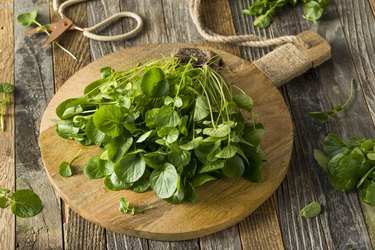
If you're not yet eating watercress, it might be time to start. Related to kale and broccoli, watercress is a leafy green that touts 71 percent of the DV for vitamin K per 1-cup serving as well as some vitamin C.
Add it to salads, mix it into soups or layer it onto a sandwich.
10. Kiwi: 72.5 mcg, 60% DV
This New Zealand fruit is small, tasty and one of the best fruits high in vitamin K with 60 percent of the DV and nearly 200 percent of the DV for vitamin C per cup. To enjoy the tangy fruit, simply cut it in half and use your spoon to scoop the flesh right out of the skin.
11. Okra: 64 mcg, 53% DV
This veggie is often stewed with tomatoes or added to dishes like gumbo and its sticky juice can be used to thicken sauces. Per 1-cup cooked okra, you'll get 53 percent of the DV for vitamin K. Okra also provides fiber and 14 percent of your DV for magnesium, which is important for muscle function, per the NIH.
12. Green Beans: 59.9 mcg, 50% DV
While the traditional Thanksgiving green bean casserole is a heavy hitter when it comes to calories, the fat is important for vitamin K absorption. You'll get 50 percent of the DV for vitamin K per 1 cup of cooked green beans.
If you're not into casseroles, try these quick and healthy green bean recipes instead.
13. Plantains: 53.7 mcg, 45% DV
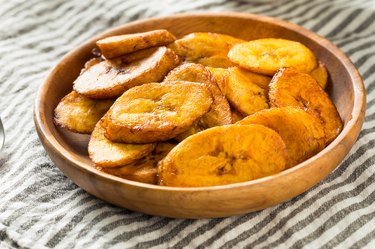
If you're not familiar with a plantain, you may have bitten into one thinking it was a giant banana. Plantains, while related to bananas, are most assuredly not bananas. They're a carbohydrate-rich fruit that's often enjoyed fried.
A 1-cup serving of fried plantains provides 47 percent of the DV for vitamin K. And FYI: Bananas are low in vitamin K with just 1 percent of the DV per cup.
14. Avocados: 48.3 mcg, 40% DV
Your favorite fancy toast topper continues to, er, top the charts for nutritious foods. Avocado, known for its high levels of healthy fat, also offers 40 percent of the DV for vitamin K per 1-cup mashed (hello, guacamole?). A single avocado provides 24 percent of the DV.
Avocados are also extremely high in fiber and vitamin E — try them in these creative recipes.
15. Blueberries: 28.6 mcg, 24% DV
Is there anything the blueberry can't do? Blueberries are known for their high levels of antioxidants and their role in supporting brain health, per Ochsner Health.
Just 1 cup boasts 24 percent of the DV, deeming it a top fruit high in vitamin K, and 13 percent of the DV for fiber.
16. Blackberries: 28.5 mcg, 24% DV
Blackberries have a nearly identical amount of vitamin K to blueberries — 24 percent of the DV per 1 cup. The tart summer berry is also high in fiber — 27 percent of the DV — and the antioxidant vitamin E.
In fact, blackberries contain some of the highest amounts of fiber and antioxidants among all berries, per Johns Hopkins Medicine.
17. Pomegranates: 28.5 mcg, 24% DV
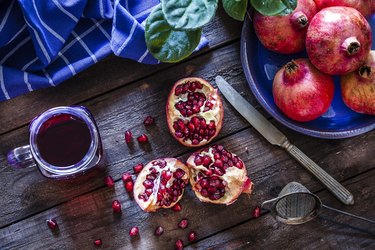
Pomegranates — their seeds, actually — are en vogue for their antioxidants. The fruit is linked to helping prevent or treat high blood pressure, high cholesterol and inflammation, per a March 2014 study in Advanced Biomedical Research. Its juice is thought to have more antioxidant potency than red wine or green tea, according to the paper.
But the seeds provide more nutrition than just antioxidants: 1 cup of pomegranate seeds delivers 24 percent of the DV for vitamin K and 25 percent of the DV for fiber. Try the fruit in these delicious pomegranate recipes.
18. Arugula: 21.7 mcg, 18% DV
Peppery and slightly bitter-tasting, arugula is a popular salad green that packs 18 percent of the DV for vitamin K for only 5 calories per cup. Get the best of all the leafy green worlds by making a mixed salad with arugula, kale, spinach and watercress.
19. Carrots: 21.4 mcg, 18% DV
Carrots can do wonders for eye health, thanks to their astronomical levels of beta-carotene, a type of provitamin A. Plus, a 1-cup serving of cooked carrots gives you 18 percent of the DV of vitamin K and 17 percent of the DV for fiber.
20. Sauerkraut: 18.5 mcg, 15% DV
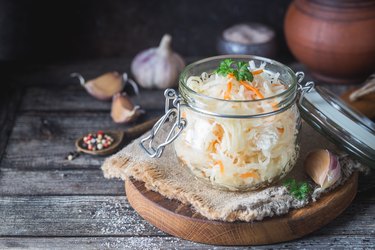
Go ahead and add extra toppings to your sandwich or bratwurst — sauerkraut topping, that is. Sauerkraut, which is fermented cabbage, packs a flavor and a nutritional punch. Like other fermented foods, sauerkraut is a good source of gut-healthy probiotics.
Per 1-cup serving, it provides 15 percent of the DV for vitamin K, 23 percent of the DV for vitamin C and some fiber and plant-based iron.
21. Red Bell Peppers: 17.4 mcg, 14% DV
Red bell peppers top the list of vitamin C-rich foods, but that's not all they provide. Red bell peppers are high in antioxidants — more so than their green sisters — and contain 14 percent of the DV for vitamin K per 1 cup cooked and just 6 percent per cup raw.
Roast a batch of sweet red peppers and add them to sandwiches, salads and soups.
22. Kidney Beans: 14.9 mcg, 12% DV
You know what they say about beans, don't you? Beans, beans, good for your heart, the more you eat the more you... Well beans are good for your heart because they're high in fiber and can help lower blood cholesterol levels, per the American Heart Association.
Plus, a 1-cup cooked serving has 12 percent of the DV for vitamin K and 15 grams of plant-based protein. Kidney beans are also a good source of immunity-supporting zinc.
23. Grapes: 13.4 mcg, 11% DV
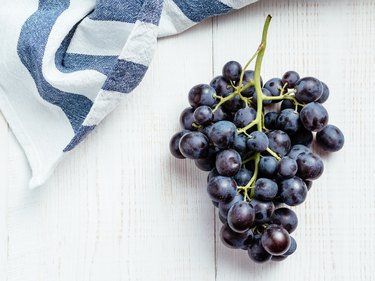
While grapes provide important nutrients like vitamin K — 11 percent of the DV per 1 cup — turning them into wine does not offer the same benefit (although, yes, drinking wine in moderation might provide some health perks).
- National Institutes of Health: "Vitamin K"
- National Osteoporosis Foundation: "Food and Your Bones — Osteoporosis Nutrition Guidelines"
- Cleveland Clinic: "Why Does Asparagus Make Your Pee Smell?"
- National Institutes of Health: "Magnesium"
- Ochsner Health: " 6 Ways Blueberries Can Improve Brain Health"
- Advanced Biomedical Research: "Potent Health Effects of Pomegranate"
- American Heart Association: "The Benefits of Beans and Legumes"