





































































What Are the Health Benefits of Parsley Tea?

What Are the Health Benefits of Parsley Tea?
Photo Credit parsley image by Zbigniew Nowak from Fotolia.com

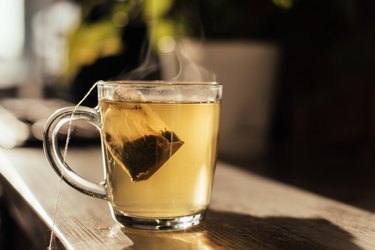
Parsley, botanically known as Petroselinum crispum, is a feathery-looking garden herb indigenous to the Mediterranean. Although parsley is most commonly used as a garnish, it can be boiled and steeped to make a tart-tasting, refreshing herbal tea. If you find the taste too bitter, Love to Know suggests either steeping it for a shorter time than the usual five minutes, or adding sweetening. However, Drugs.com says you should not drink it if you are pregnant.

Antioxidant Properties

Parsley tea is rich in phytonutrients, including a flavonoid called luteolin. According to The World's Healthiest Foods, luteolin is a potent antioxidant that helps to scavenge harmful free radicals. A cup of parsley tea made from 2 tbsp of fresh parsley is also a good source of the antioxidant vitamin C, containing 9.97 mg, or 16.6 percent of the recommended daily value. The World's Healthiest Foods notes that eating healthy amounts of foods that contain vitamin C can reduce your risk of developing atherosclerosis, diabetes and colon cancer.

Anti-Inflammatory Effects

Parsley tea's high content of vitamin C doesn't just offer antioxidant benefits, but inflammation-reducing properties as well. Vitamin C may not only alleviate the symptoms of osteoarthritis and rheumatoid arthritis, but also offer some protection against these diseases. In a population-based study of residents of Norfolk, UK, conducted by Dorothy Pattison and colleagues and published in 2004 in the Annals of the Rheumatic Diseases, researchers found that subjects who consumed the lowest amounts of foods rich in vitamin C had three times more risk of developing inflammatory polyarthritis than people who consumed healthy amounts of fruits and vegetables containing vitamin C.

Chemoprotective Effects

When you enjoy a cup of parsley tea, you may be helping to protect yourself from cancer. The World's Healthiest Foods notes that one of parsley's volatile oils, myristicin, activates an enzyme which prevents oxidized molecules from harming the body, and credits it with the ability to neutralize carcinogens, such as the benzopyrenes found in cigarette smoke. Myristicin is not the only parsley ingredient that may protect against cancer. The University of Maryland Medical Center states that limonene, one of the flavonoids in parsley tea, may combat cancer due to its ability to block proteins that stimulate cells to reproduce; the site notes that studies are ongoing.

References

Article reviewed by SPEstes Last updated on: Jun 14, 2011

Must see: Photo Galleries

Member Comments