























































Hot & Cold Therapy Procedures

Hot & Cold Therapy Procedures
Photo Credit mains jointes image by Philippe LERIDON from Fotolia.com

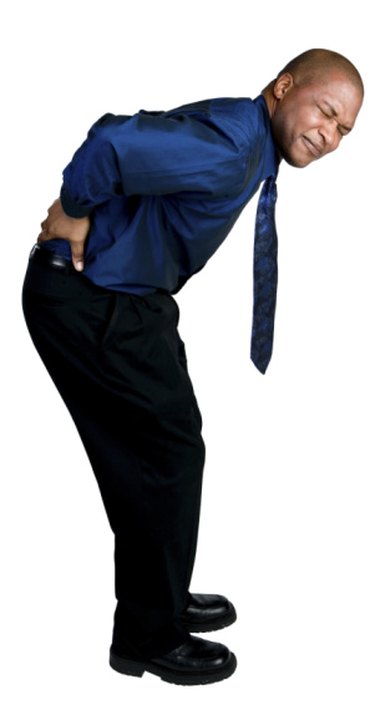
Hot and cold therapy is a common non-invasive procedure used by professional care givers and laymen for the relief of pain. The technique utilizes the alternation of hot and cold compresses on a painful area to help reduce inflammation, pain and muscle spasms. The technique has been used for hundreds of years, but it is recommended that a professional health care provider instruct patients on its use in home environments, suggests physical therapist Dana Davis of Rehab Orthopaedic Medicine. You may find this type of therapy offers relief of chronic back pain as well as pain caused by a variety of conditions, including arthritis and sports injuries.

Heat Therapy

Applying a very warm or hot compress to the skin over an area of pain helps flood blood into that area, according to Susan Spinasanta, senior medical editor of Spine Universe. This increase of blood flow also increases the volume of healing oxygen and nutrients carried by the blood to that area of the body. In addition, heat applied to painful tissues helps relieve muscle tension, muscle spasms and helps increase mobility and range of motion. Don't place a hot pack against swollen areas, as this will increase blood flow to already engorged locations. Place the hot pack on the area for about 15 minutes. When using heating pads or hot packs, always protect the skin by wrapping the hot pack in a towel.

Cold Therapy

Also known as cryotherapy, applying cold to a painful area helps constrict blood vessels, also known as vasoconstriction, thereby reducing swelling of the affected area. As with application of hot packs or pads to an affected area, cold packs, ice packs, damp towels placed in a freezer or ice blocks should be wrapped in a towel before placing against the skin. Avoid leaving cold packs on the skin for more than 15 to 20 minutes at a time. Cold therapy is most effective when begun immediately after an injury such as a muscle strain or sprain.

Alternating Hot/Cold Therapy

Alternate hot and cold therapy techniques for relief of pain and to help reduce swelling and other symptoms of muscle or joint injury. Limit use of alternating hot and cold therapy to 20 to 30 minutes, suggests Tracia O'Shana, RN and instructor at Dartmouth College. However, patients are advised against using heat therapy if over open wounds and stitches, if you've been diagnosed with diabetes and have poor circulation, or if you're a hemophiliac, suggests O'Shana. Wait an hour before starting an alternating hot/cold therapy treatment again.

References

Article reviewed by Veronique Von Tufts Last updated on: Oct 3, 2010

Must see: Photo Galleries

Member Comments