




























Not to be confused with "flavanols," the type of antioxidant found in dark chocolate, flavonol antioxidants are found in fruits and veggies and some beverages. As scientists discover more ways dietary antioxidants help your body defend itself against aging and disease, more products emerge that claim to contain antioxidants. The best way to make sure you're getting all the nutrition you need is to maintain a fruit- and vegetable-rich diet along with a daily exercise regimen.
Identification
Flavonol antioxidants are a specific type of antioxidant, called flavonoids. According to the Linus Pauling Institute, this group of antioxidants may have antiviral, antitumor and anti-inflammatory effects on the human body. Flavonols in particular contain quercetin, a particularly potent antioxidant that Dr. Donald R. Buhler and Dr. Cristobal Miranda believe "has all the right structural features for free radical scavenging activity."
Benefits
Antioxidants neutralize free radicals. According to Martial Bourassa and Jean-Claude Tardif in "Antioxidants and Cardiovascular Disease," your cells produce free radicals as they metabolize; in an ideal world, your body would produce enough natural antioxidants to neutralize these free radicals. However, stressors such as sun damage, smoking and pollution cause an excess of free radical production. Left unchecked, free radicals can damage your body's lipids, proteins and DNA, causing diseases such as Alzheimer's, diabetes and cardiovascular disease. Eating antioxidant-rich foods can give your body the extra help it needs to neutralize disease-causing free radicals.
Food Sources
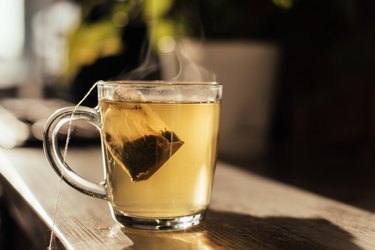
In "Antioxidants and Cardiovascular Disease," Michel de Lorgeril and Patricia Salen note that you'll find flavonol antioxidants in onions, leeks, broccoli, blueberries, red wine, green tea and tomatoes. The Linus Pauling Institute estimates that most people's daily intake of flavonol antioxidants ranges from 50 mg to 800 mg, thanks in large part to routine consumption of tea and wine. There is no recommended daily intake for flavonols; if you want to boost your consumption, add one to two cups of green tea to your daily diet.
Other Flavonoid Antioxidants
Many sources confuse "flavonol" and "flavanol" antioxidants. Although they're both flavonoids, they're not identical. De Lorgeril and Salen note that the flavonoid group contains isoflavones, proanthocyanidins, anthocyanins, flavonols, flavones, flavanols and flavanones. The difference between these flavonoids is in the chemical compounds they contain. For example, flavonols contain quercetin, while flavanols contain catechins. Some beverages, such as green tea and red wine, contain both flavonols and flavanols.
Food Sources vs. Supplements
Although you can buy dietary supplements containing flavonols such as quercetin, they shouldn't be a substitute for antioxidant-rich foods. According to author Jonathan Scheff in "Scientific American," some studies have revealed people who take antioxidant supplements have more risk for heart attack and stroke. Scheff consulted Brigham and Women's Hospital epidemiologist Nancy Cook, who theorized that supplements may contain ineffective dosage amounts and antioxidant combinations. Cook also notes that people who eat plenty of dietary antioxidants as opposed to supplements are more likely to reap the benefits because they're probably already living a healthy lifestyle, which includes a balanced diet and regular exercise.


Member Comments