




































Vegan Backpacking Food

Vegan Backpacking Food
Photo Credit backpacking image by Galyna Andrushko from Fotolia.com

The vegan backpacker obviously must avoid foods consisting of meats, cheeses or other animal products. That translates to no hard salami, jerky, clarified butter and any number of back-country staples. But the restrictions are certainly not prohibitive. There are plenty of convenient, nutritious and easy-to-transport foods that still qualify for your trip. With a little creativity, you also needn't sacrifice taste and variety when you head into the wilderness.

General Options

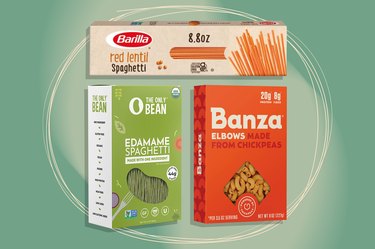
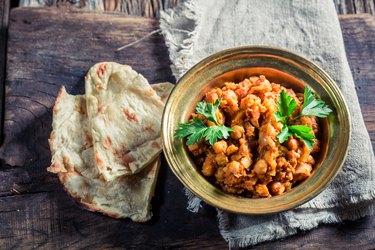
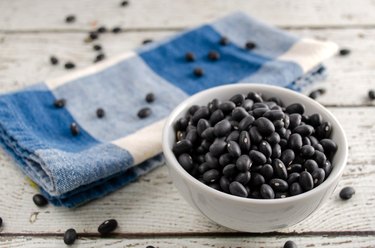
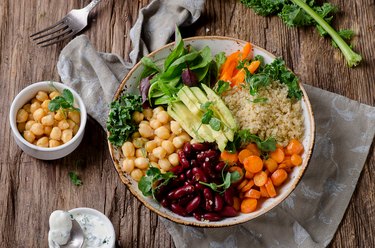
Some of the most popular snacks and ingredients for lightweight, wilderness travel are appropriate: nuts, dried fruit, chocolate and bread, to name a few. Beans, pasta, rice, quinoa and other vegetable-based products can form the foundation of any meal. You can, of course, also explore the option of vegan versions of non-vegan foods: vegan patties, vegan cheeses and others. Freeze-dried, packaged meals are popular choices for backpacking, and some are now marketed specifically for vegetarian and vegan consumers.

Planning Recipes

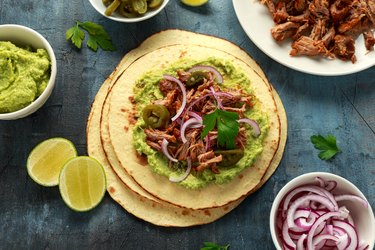
Many backpackers enjoy the ease of one-pot cooking so that time, fuel and dishes are conserved. Packaged dinners are the most straightforward example, but there are plenty of other options for those seeking variety and the cooking experience. Burritos---cheese-free, of course---can be assembled by preparing rice and adding to it refried beans, sauteed onions and spices like cumin and cayenne, heating the tortilla on the pot-lid. The range of possible meals expands if you bring along ingredients you've prepared before the trip and using them in the first few days. For example, you might whip together a vegan sauce to vitalize pasta, rice or vegetable dishes on the trail.

Spoilage

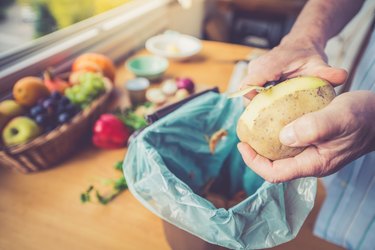
Many vegan backpacking foods, like nuts or dried fruit, will keep for long periods of time. You can choose vegetables based on their spoilage potential. For example, apples, potatoes and alliums---like onions and garlic---will usually last for several weeks. You can still take less durable foods like bananas or oranges and consume them early in your trip. This is also true of pre-made ingredients and dishes. Keep in mind that foods spoil faster in hot or wet conditions.

Equipment

Some ultra-light backpackers eschew cooking equipment and opt for eating cold food, which certainly diminishes the weight of your pack and saves time and resources. But if you want a hot meal at least some of the days you'll be out, bring a backpacking stove---usually a one-burner affair fed by liquid, solid or compressed-gas fuels. Purchasing some sort of wind-guard can minimize the frustration of cooking in breezy conditions.

Tips

Before your trip, stock up on your groceries at a place you know will have what you want; you may find limited options for vegan cuisine at an outpost on the edge of your destination wilderness. Before your trip, whip up a few meals that require few dishes and uncomplicated methods to help you decide on the impending back-country menu. Be creative with a base ingredient, like potatoes or rice. Prepare a special treat, like a vegan pizza or quiche, and eat it the first night out.

References

Article reviewed by TheronN Last updated on: Oct 7, 2010

Must see: Photo Galleries

Member Comments