




























































High blood sugar
That mid-afternoon snack that provides a quick pick-me-up typically ends in a crash, leaving you drained and tired rather than energized. The human body responds to even minute amounts of sugar. Over time, consuming a diet high in sugar and refined carbohydrates, which are quickly converted to sugar in the body, can lead to chronic inflammation and illness.
The role of cinnamon
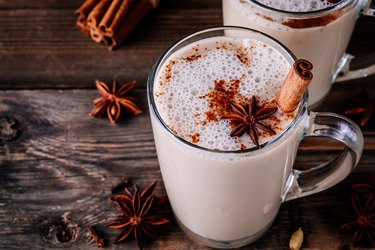
Sprinkle it in your oatmeal or add it to your favorite tea--there is more to cinnamon than its flavor. In fact, consuming as little as ¼ to ½ teaspoon of cinnamon a day can lower blood sugar by 18 to 29 percent. The trace amounts of manganese in cinnamon also help the body use blood sugar. For every 2 teaspoons of cinnamon, you can take in more than one-third of the daily manganese requirement. Adding cinnamon to a food high in carbohydrates has also been shown to lesson its effect on blood sugar levels. In a study published in the American Journal of Clinical Nutrition in June 2007, researchers found that rice pudding seasoned with 6 grams of cinnamon significantly reduced the subsequent rise in blood sugar after eating.
Hydroxychalcone
Hydroxychalcone, the active ingredient in cinnamon, boosts the effect of insulin by increasing its sensitivity to glucose and facilitating delivery into the cells where it can be stored and synthesized. Additionally, certain compounds in cinnamon inhibit an enzyme that inactivates insulin receptors, further improving cell's ability to utilize circulating glucose. For this reason, cinnamon is often used to treat diabetes.
Safety
Health experts recommend that diabetics using cinnamon should check blood sugar regularly to make sure blood sugar is not lowered too much, which results in hypoglycemia (low blood sugar).


