Buying new running sneakers is a little like buying a new car. There are hundreds of types and styles at different price points, making your hunt both exciting and overwhelming.
But don't just head to your local running shop and randomly choose a shoe based on color or design. (Don't worry, we've all done it.)
Video of the Day
Video of the Day
Instead, use this guide to help you know what to look for in each type of shoe. You'll also find the best running shoes for flat feet, shin splits, overpronation and more.
Our Picks
- Best for Beginners: Brooks Ghost 15 ($140, Brooks Running)
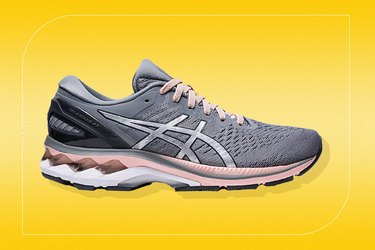
- Best for Plantar Fasciitis: Asics GEL Kayano 29 ($119.95, Asics)
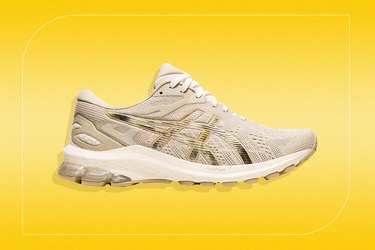
- Best for Flat Feet: Asics GT-2000 11 ($140, Asics)
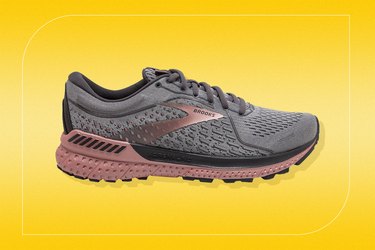
- Best for Overpronation: Brooks Adrenaline GTS 23 ($140, Brooks Running)
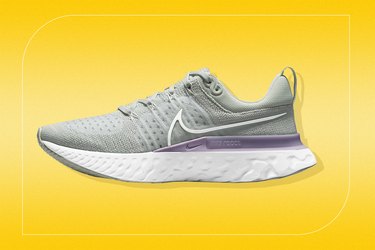
- Best for Underpronation: Nike React Infinity 3 ($96.97, Nike)
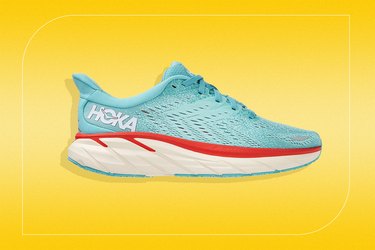
- Best for Shin Splints: Hoka Clifton 9 ($145, Hoka)
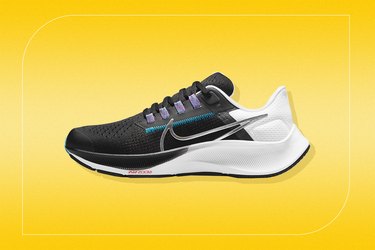
- Best for Kids: Nike Air Zoom Pegasus 39 ($60.97, Nike)
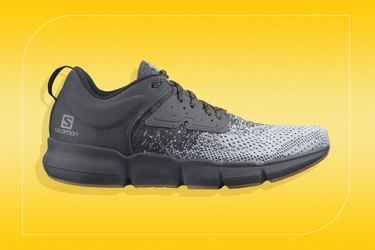
- Best for Bad Knees: Salomon Predict Soc 2 ($89, Amazon)
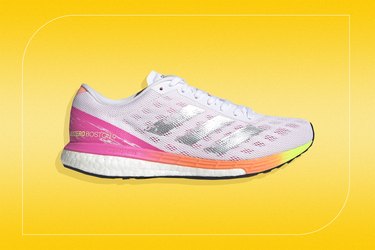
- Best for Women: Adidas Adizero Boston 12 ($160, Adidas)
- Best for Men: Asics GEL-CUMULUS 24 ($79.95, Asics)
- Best for Grass: Salomon Speed Cross 6 ($140, Salomon)
- Best for Treadmill: Asics GEL-NIMBUS 25 ($160, Asics)
- Best for Ankle Support: New Balance 840v5 ($139.99, New Balance)
- Best for Sprinting: Saucony Endorphin Speed 3 ($170, Saucony)
- Best for the Track: Nike ZoomX Dragonfly ($150, Nike)
- Best for Marathons: Puma Deviate Nitro Elite 2 ($200, Puma)
- Best for Trail: Saucony Peregrine 13 ($140, Saucony)
- Best for High Arches: Brooks Glycerin 20 ($160, Brooks Running)
How We Chose
We chatted with physical therapists and personal trainers who offered product recommendations and helped us break down what to look for in the best running shoes. We selected our products based on their criteria. You can learn more about how we cover products here.
- Shoe shape
- Cushion level
- Ankle movement
- Shoe drop
- Ventilation
A Quick Language Note
We make deliberate choices about the language we use when it comes to gender. But because manufacturers typically market shoes according to gender, we've listed both women's and men's picks below.
However, the main difference between most men's and women's shoes lies in the shoe width and size. In some cases, men's shoes are built to support greater weights. So people with bigger bodies may want to opt for men's versions, whereas people with smaller bodies may prefer women's versions.
1. Best for Beginners: Brooks Ghost 15
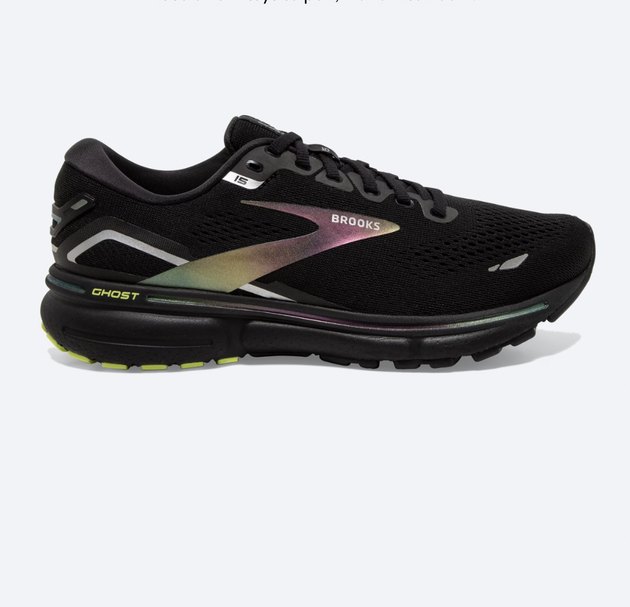
Brooks Ghost 15
These cushioned sneakers are great for all surfaces, and the fabric in the upper stretches and molds to your foot to prevent unwanted chafing.
- Terrain: treadmill, road, track
- Support: neutral
- Feature: carbon neutral
A big fan of Brooks' running shoes, physical therapist and certified strength and conditioning coach Melissa Garcia, DPT, CSCS, recommends the Ghost for newbies.
Among the best running shoes for beginners, these cushioned sneakers are great for all surfaces, including the treadmill and pavement. So as you test new running surfaces for the first time, you won't need to worry about having multiple pairs of shoes.
As a new runner, a few blisters are bound to happen. But this shoe is easy to personalize, giving you the best fit possible. Not only is it available in four widths (narrow, medium, wide and extra wide), the fabric in the upper stretches and molds to your foot to prevent unwanted chafing.
2. Best for Plantar Fasciitis: Asics GEL Kayano 29
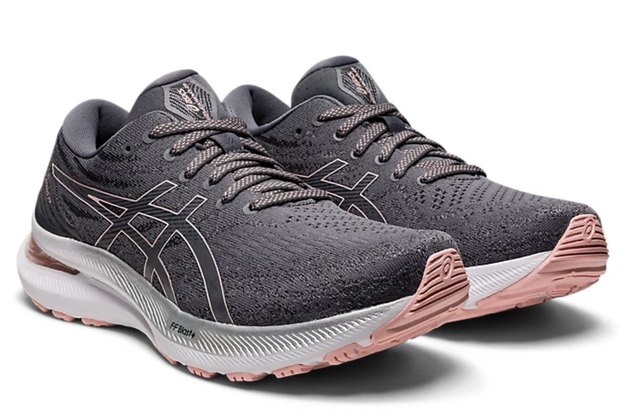
Asics GEL Kayano 29
If you have pain when you push off or land, a shoe with more cushion is likely what you need. This shoe has exactly that.
- Terrain: treadmill, road, track
- Support: neutral
- Feature: gender-specific midsole
A common cause of heel pain, plantar fasciitis is an inflammation of the tissue that connects your heel bone to your toes. There are two types of pain associated with plantar fasciitis — pain with push off and pain with landing, says David Reavy, PT, owner of React Physical Therapy in Chicago.
If you have pain with push off, a shoe that helps you move with your entire foot is key, he says. Or if you have pain with landing, a shoe with more cushion is likely what you need. Either way, this shoe has you covered.
3. Best for Flat Feet: Asics GT-2000 11
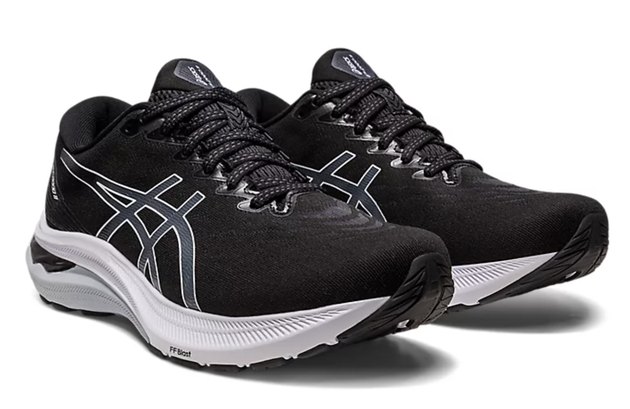
Asics GT-2000 11
When buying running shoes for flat feet, make sure the heel isn't elevated and has little to no toe spring. The Asics GT-2000 11 fit the bill.
- Terrain: treadmill, road, track
- Support: neutral
- Feature: damage-resistant rubber sole
When buying running shoes for flat feet, your first priority is making sure the heel isn't elevated and has little to no toe spring, according to Caleb Backe, CPT, a certified personal trainer at for Maple Holistics.
"You should be able to recognize a shoe that's fit for flat feet by the wide, chunky heel, as well as the stiffer sole," he says.
One of the best Asics running shoes, the GT-2000 offers a wide and high toe box, allowing your foot to spread naturally as you step, while still offering plenty of stability. The toe box is especially helpful for newbies, too, as it can help you develop a natural running step and gait.
4. Best for Overpronation: Brooks Adrenaline GTS 23
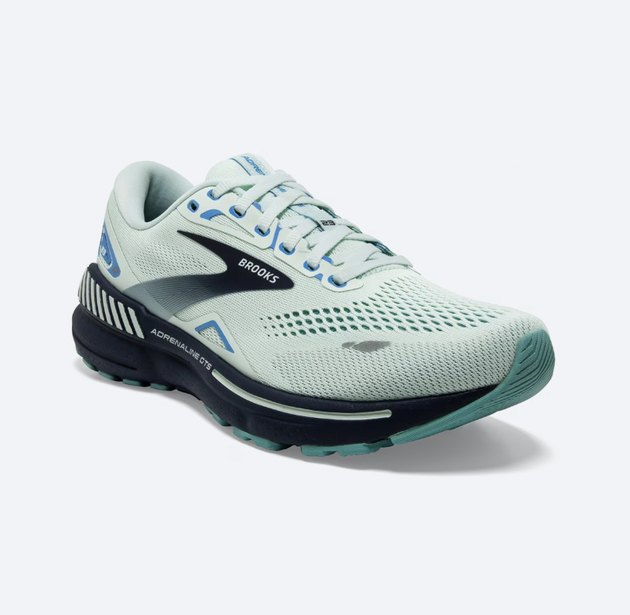
Brooks Adrenaline GTS 23
Overpronation happens when your foot rolls inward too much when you run. These shoes have GuideRails that kick in when you need them to keep your feet in place.
- Terrain: treadmill, road, track
- Support: extra stability
- Feature: supportive material in sole keeps your ankle vertical
Overpronation happens when your foot rolls inward too much when you walk or run. If you have flat feet, you most likely overpronate, which can lead to knee pain, Backe says. (More on figuring out if you overpronate below.)
"Extra support will help you achieve a more natural foot strike and therefore will decrease knee pain," he says.
So what makes the Brooks Adrenaline the best running shoe for overpronation? It has GuideRails, a support system similar to bumpers in bowling alley (imagine your foot as the bowling ball). They kick in when you need them to keep your feet in place and stay out of the way when you don't.
5. Best for Underpronation: Nike React Infinity 3
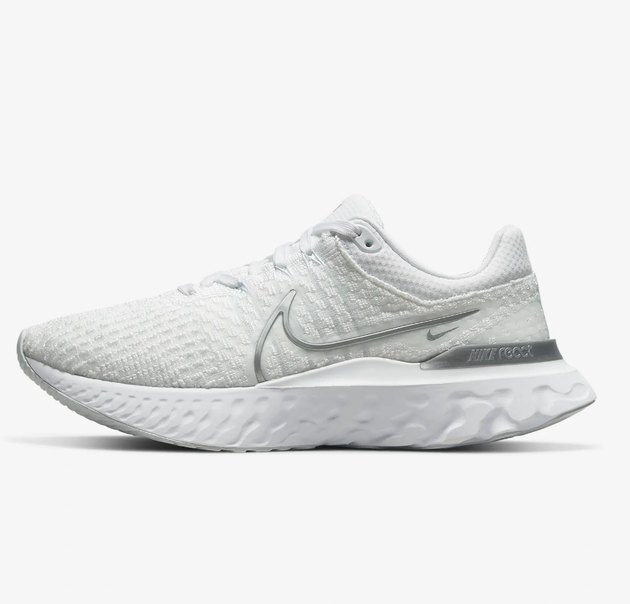
Nike React Infinity 3
Underpronated feet tend to roll toward their pinkies, so you need shoes with plenty of arch support to prevent injury. Enter: the Nike React Infinity 3.
- Terrain: treadmill, road, track
- Support: neutral
- Feature: breathable mesh upper
Underpronated (aka supinated) feet tend to roll toward their pinkies. If that sounds familiar (more info on how to find out your pronation type below), you need shoes with plenty of arch support to prevent injury, according to Garcia. A supinated foot also needs all the shock-absorption it can get to protect the knees.
One of the best Nike running shoes for underpronation is the React Infinity shoe, she says. The shoe's foam provides plenty of shock-absorbing cushion, making it a great choice for running on concrete. Plus, the snug fit and supportive middle offers the arch support supinated runners need.
6. Best for Shin Splints: Hoka Clifton 9
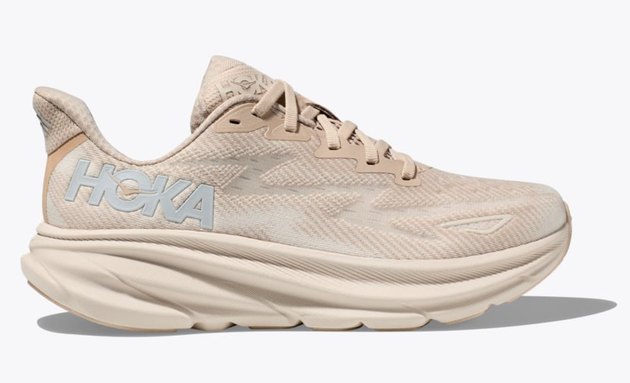
Hoka Clifton 9
To help prevent shin splits, wear a cushioned shoe with a low heel-to-toe drop, like the Hoka Clifton 9.
- Terrain: treadmill, road, track
- Support: neutral
- Feature: high cushion
Shin splints often result from running on hard surfaces like concrete, according to Garcia. To help prevent shin splits, wearing a cushioned shoe with a low heel-to-toe drop is the main priority. A low drop keeps your foot even instead of angled, putting less pressure on your shin.
Thanks to its small drop, Hoka's Clifton shoe is the way to go for anyone experiencing achy or sore shins. And considering shin splints are pretty common among newbies, especially, that's why the Clifton is a good running shoe for beginners, too.
"The Clifton is a very cushioned shoe, almost like running on clouds," Garcia says.
7. Best for Kids: Nike Air Zoom Pegasus 39
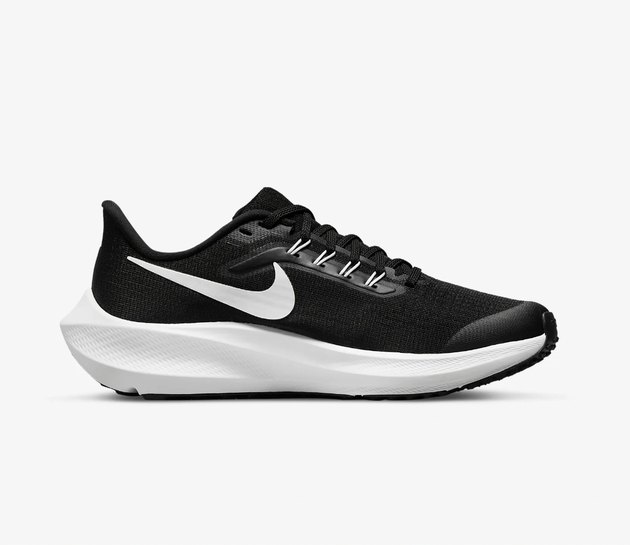
Nike Air Zoom Pegasus 39
These have a supportive cushion, helping keep children's feet and ankles protected. It's also breathable and durable, ideal for gym class or the playground.
- Terrain: treadmill, road, track
- Support: neutral
- Feature: wider toe box for extra room
Buying kicks for kids is never a walk in the park. "Kids can be picky," Garcia says. But when it comes to finding a good pair for a little one, comfort and fit are the most important factors to consider.
Nike's Pegasus shoe has supportive cushion, helping keep children's feet and ankles nice and protected. But it's also breathable and durable, making it ideal for gym class or the playground.
8. Best for Bad Knees: Salomon Predict Soc 2
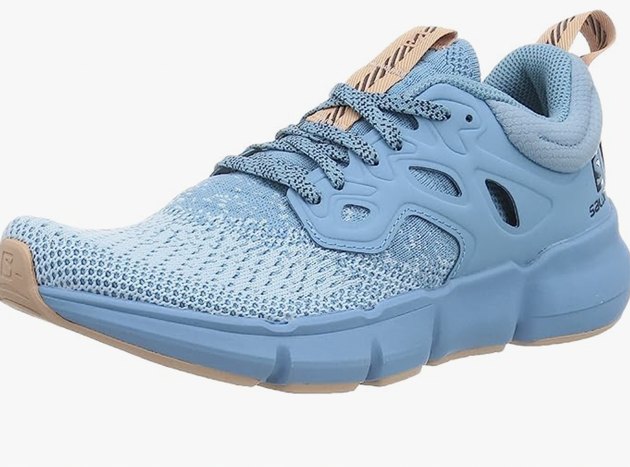
Salomon Predict Soc 2
Salomon’s Predict Soc offers maximum cushioning and stability, making it one of the best shoes for easing knee pain and running on hard surfaces.
- Terrain: treadmill, road, track
- Support: neutral
- Feature: sock-like upper fit
"For serious knee pain, you should first defer to a professional opinion from a doctor," says Braden Moorhead, a senior buyer at Zappos.com. For runners with knee pain, it's important to look for shoes with plenty of cushion, which will offer a softer ride and may help ease pain.
Salomon's Predict Soc offers maximum cushioning and stability, making it one of the best shoes for running on concrete. It also has grooves on the sole's tread to enhance flexibility and give your foot a better feel of the ground.
9. Best for Women: Adidas Adizero Boston 12
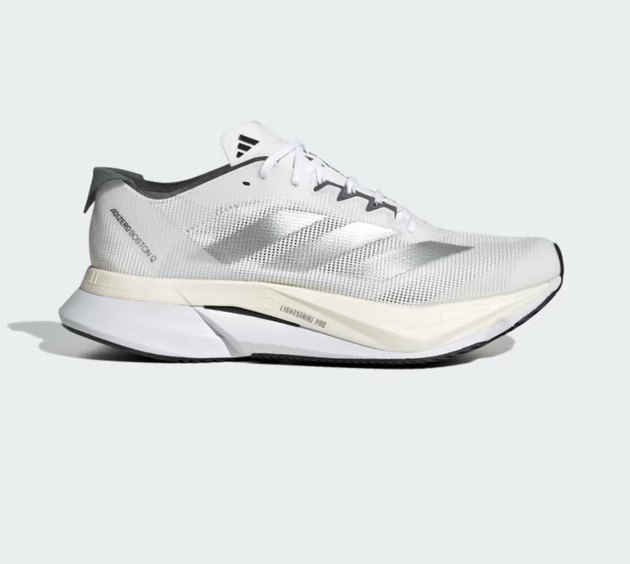
Adidas Adizero Boston 12
These shoes are built to give women speed and distance. They offer a lightweight feel with a boost cushion in the midsole for a supportive run.
- Terrain: treadmill, road, track
- Support: neutral
- Feature: built for speed
The best running shoes for women are flexible and allow for full-foot function. "Can you bend the shoe toe to heel?" asks Jessica Marie Rose Leggio, a conditioning expert at RunPainFreeNow.com.
With these, you can. One of the best Adidas running shoes, the Adizero Boston shoes are built to give women speed and distance. They offer a lightweight feel with a boost cushion in the midsole for a supportive run.
10. Best for Men: Asics GEL-CUMULUS 24
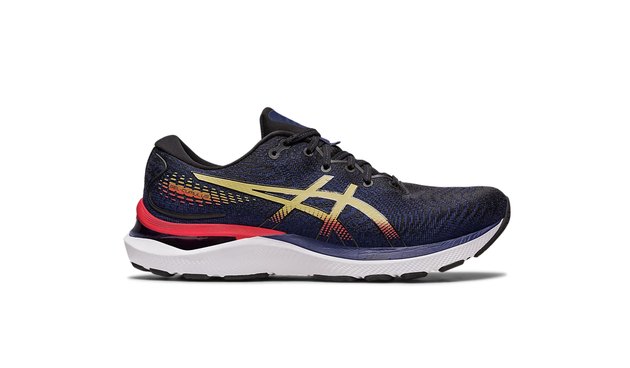
Asics GEL-CUMULUS 24
Considering the average man weighs more and puts more force into their shoes (and joints) than women do, these are supportive and well-cushioned.
- Terrain: treadmill, road, track
- Support: neutral
- Feature: made with recycled materials
Shoes aren't generally gender-specific. But considering the average man weighs more and puts more force into their shoes (and joints) than women do, the best running shoes for men are supportive and well-cushioned.
Asics' GEL-CUMULUS runners are designed with the exact amount of cushion men might need during their run. Plus, this shoe is built with a durable mesh fabric that stays in tact mile after mile.
11. Best for Grass: Salomon Speedcross 6
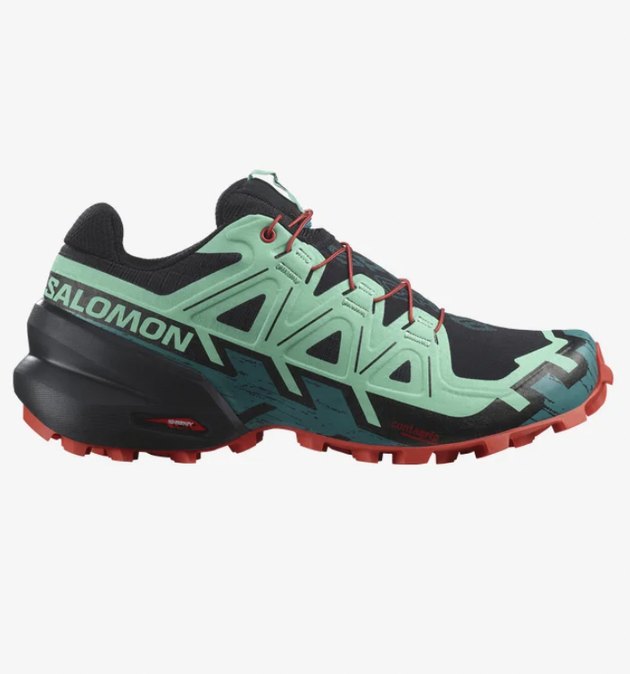
Salomon Speedcross 6
The best shoes for running on grass (like these Salomon picks) have lugs on the bottom to help prevent any potential slips and falls.
- Terrain: trail, grass
- Support: high support
- Feature: removable shock-absorbing, anti-odor footbeds
Salomon's trail running shoes are among the best outdoor running shoes. Technically a trail running shoe, these have raised rubber ridges on the bottom (aka lugs) that help provide extra traction, according to Garcia.
The best shoes for running on grass have lugs on the bottom to help prevent any potential slips and falls.
12. Best for Treadmill: Asics GEL-NIMBUS 25
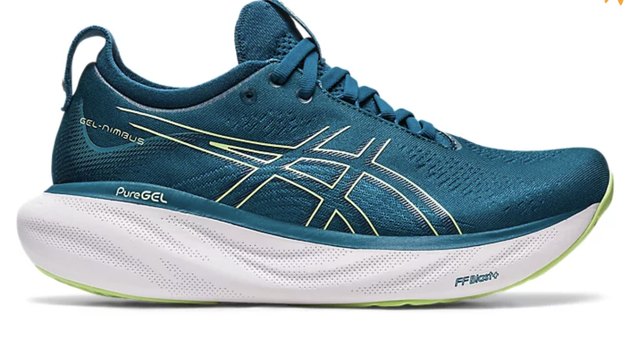
Asics GEL-NIMBUS 25
Asics' GEL-NIMBUS is a high-cushioned, breathable shoe, which is ideal for long and sweaty indoor runs.
- Terrain: treadmill, road, track
- Support: neutral
- Feature: gender-specific support in the sole
Asics' GEL-NIMBUS is a high-cushioned, breathable shoe, which is ideal for long and sweaty indoor runs. This one also provides extra support and cushion in the heel, giving you comfort mile after mile.
These also have a gender-specific forefoot design to account for the tiny differences between men's and women's feet. So, keep this in mind as you buy your Asics gel treadmill running shoes.
13. Best for Ankle Support: New Balance 840v5
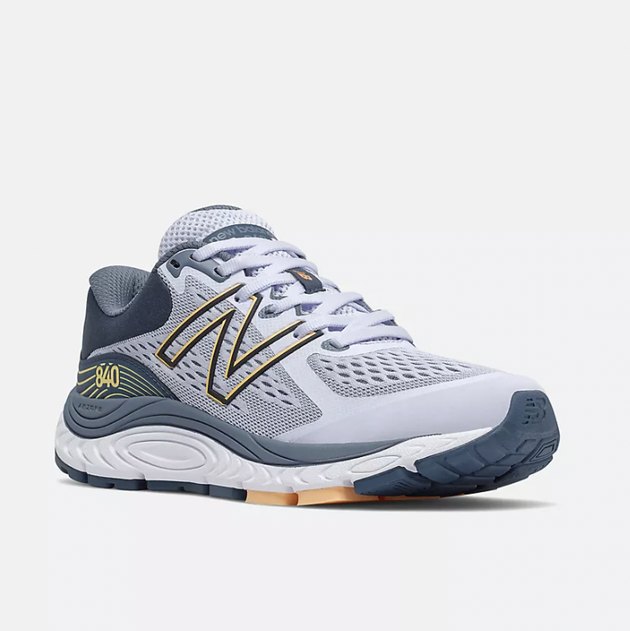
New Balance 840v5
These shoes are built for stability and safety, thanks to the shock-absorbing cushioned sole and the compressive upper.
- Terrain: treadmill, road, track
- Support: high stability
- Feature: high-traction rubber on the bottom to prevent slips and falls
New Balance's running shoes are not only light and breathable, but they're among the best running shoes for ankle support, according to Garcia.
These shoes are built for stability and safety, thanks to the shock-absorbing cushioned sole and the compressive upper (which helps keep your foot and ankle locked in place).
14. Best for Sprinting: Saucony Endorphin Speed 3
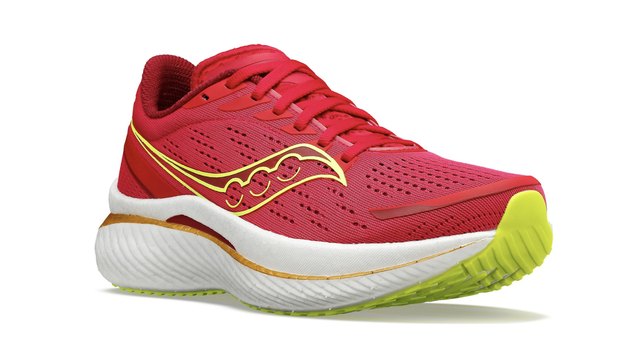
Saucony Endorphin Speed 3
This responsive shoe has a winged nylon plate that gives it a snappier, faster feel that's great for speed workouts on the road and track.
The Saucony Endorphin Speed is the ideal combination of soft, responsive and comfortable for everyday sprint training. It has a winged nylon plate, which is less aggressive than a carbon plate, but still gives it a snappier, faster feel that's great for speed workouts on the road and track.
"It has minimal structure and heel-to-toe difference, so you're able to run with natural biomechanics," says run coach Meg Takacs. "These are also pretty breathable, which promotes greater 'feel' with your ground contact. The more immediate the feedback between your body and brain is, the more connected you are within your stride."
15. Best for the Track: Nike ZoomX Dragonfly
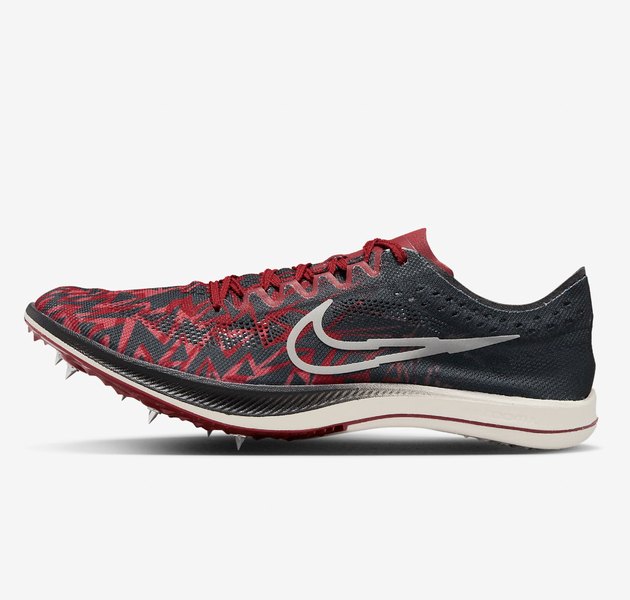
Nike ZoomX Dragonfly
While it's rated for 1,500 to 10,000 meters, it's also light and speedy enough to dip down to the 400- to 800-meter mark.
The Nike Dragonfly is easily one of the most popular track spikes out there, and for good reason. It's a favorite of mid- to long-distance runners, and while it's rated for 1,500 to 10,000 meters, it's also light and speedy enough to dip down to the 400- to 800-meter mark.
"The combination of the ZoomX foam and carbon plate is great for immediate energy return and feedback for a toe-to-heel strike," Takacs says. "These lightweight shoes are great for providing natural foot placement under the hips and proper mechanics, which helps you run with maximum efficiency."
16. Best for Marathons: Puma Deviate Nitro Elite 2
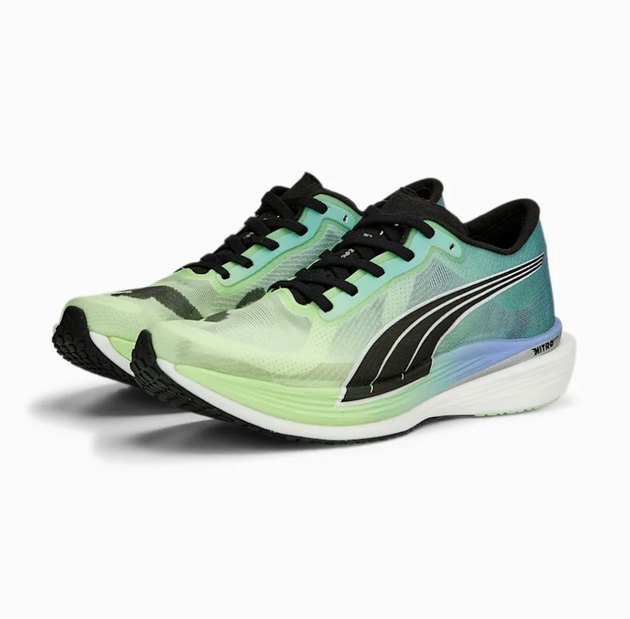
Puma Deviate Nitro Elite 2
This carbon-plated shoe is lower to the ground than most racing shoes, which allows for a much more natural running motion for long distances.
While most racing shoes seem only to be getting taller, Puma opted for a much more minimalistic design.
"I like that it has a much lower stack height," says Budd Coates, run coach and author of Running on Air. "It's lower to the ground than most racers, and it doesn't give that feeling of tipping forward, which allows for a much more natural running motion."
Of course, because this is still a carbon-plated shoe, it offers that super springy, responsive feel. And even the elites are opting for this one — Molly Seidel wore it for her 3rd place Olympic Marathon Trials finish.
17. Best for Trail: Saucony Peregrine 13
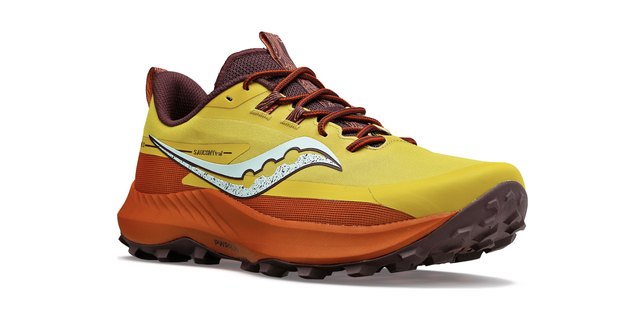
Saucony Peregrine 13
This shoe is lightweight and firm, which prevents you from feeling roots and rocks — this makes it a great option for running on technical trails.
The Peregrine has been around for a while, but it has only improved since it first came out. The most recent version is lightweight and firm, which makes it great for technical trails. "I love how firm the sole is," Coates says. "It prevents you from feeling roots and rocks, and it gives you a more solid surface than some of the softer models out there."
This shoe is also a great fit for narrower feet and heels, whereas most models tend to run a bit on the wider side. This shoe also has a super grippy rubber outsole that prevents you from slipping in wet and muddy conditions.
18. Best for High Arches: Brooks Glycerin 20
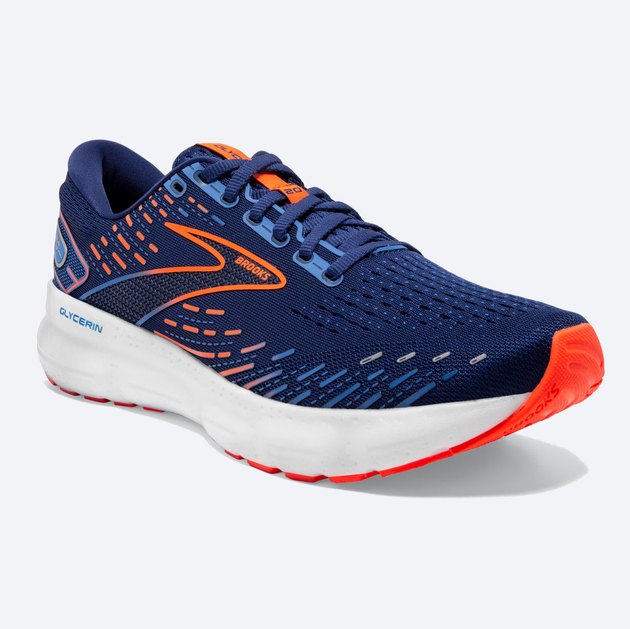
Brooks Glycerin 20
This shoe provides maximum cushion and comfort if you have naturally high arches. It's designed to be lightweight and plush with every stride.
- Terrain: road, treadmill, track
- Support: neutral
- Feature: high cushion
If you have high arches, your main focus when finding a running shoe should be support, according to Jessica Leung, PT, DPT. "It needs to be supportive so the high arch doesn't over collapse," she says. Feet with high arches need some extra reinforcements to bridge the gap between the arch and the ground.
The Brooks Glycerin 20 is one of the most supportive, highest cushion running shoes on the market. It's designed with super soft cushioning that's still lightweight and responsive. You can expect a smooth, plush ride that will go the distance.
5 Tips to Find Your Perfect Running Sneakers
1. Look at the Shoe Shape
It may sound self-explanatory, but you want a pair of running sneakers that best fits your foot shape, Garcia says.
"I recently tried several pairs of highly recommended shoes by friends and colleagues, however my feet were in a lot of pain," she says. "Each person's individual foot structure is unique and the support that the foot needs with vary from person to person."
Beyond just the length and width, that includes your arch shape. Running in shoes that don't offer enough arch support for you can put you at higher risk of injury.
To find your arch height, step on a piece of paper with a wet foot. If the middle part of your foot is barely visible or completely gone, you have a high arch. A full footprint means you have flatter feet.
A stable shoe with arch support is best for higher arches. Cushioned shoes are best for flatter feet.
2. Analyze Your Ankles
As mentioned above, some running sneakers are made for overpronation (ankles collapsing outward) or supination (ankles collapsing inward). Buying the best pair of shoes for your ankles can help minimize your risk of injury while running, according to the American Council on Exercise (ACE).
Most running specialty stores offer a free analysis to see whether you fall into either of these categories. But you can also do your own at home. Place your phone on the floor and record yourself walk to and away from the screen. Then, look closely at the video to see which direction your ankles go.
3. Find Your Ideal Cushion Level
Your best cushion depends on your running style and personal preference, according to Garcia. Long-distance runners often prefer a higher cushioned shoe. These generally last longer and provide their joints with the shock absorption they need to pound the pavement.
For trail running shoes, cushion level is largely a matter of personal preference, she says. Minimalist shoes help with speed while high-cushioned ones can alleviate some joint stress during steep inclines and declines.
4. Know Your Perfect Drop Level
Most athletic shoes have a heel-to-toe drop, meaning the heel of the shoe is more cushioned and sits higher than the toes. Generally, these drops can range from 0 millimeters (also known as a zero drop) to 8 millimeters or more.
Finding the perfect heel drop isn't too important for the everyday runner, but it can make your shoe feel more or less comfortable, depending on the way you strike the ground.
People who have shin splits can usually benefit from a zero-drop shoe.
5. Prioritize Ventilation
Most runners will probably agree sweaty feet are no walk in the park (pun intended). So always look for shoes that have a well-ventilated, secure mesh fabric, Garcia says. This will help reduce your risk of blisters, athlete's foot and general stink.