Protein is essential for building tissue, muscles, bones and even skin — and helps fuel a variety of other bodily functions. But if you want to get your protein fix from anything other than animal fat, you may find yourself comparing pea protein powder with whey protein.
Tip
Pea protein and whey protein are both effective in providing you with solid doses of protein that aren’t derived directly from meat. The main difference is that pea protein is entirely plant-based while whey is derived from dairy. Studies show that both pea protein and whey protein can help build muscle at the same level.
Video of the Day
Why Your Body Needs Protein
Whether you're hoping to gain muscle mass and get stronger, or you're trying to lose weight, protein plays an essential role in keeping your body functioning properly. You'll need to consume protein in some fashion daily.
Video of the Day
The Recommended Dietary Allowance (RDA) for protein is about 0.8 grams of protein per kilogram of body weight, according to Harvard Health. Using the USDA protein intake calculator, you can estimate how much protein you need every day depending on your body weight. A 30-year-old male, for example, would need to eat about 69 grams of protein per day.
Protein is crucial for a variety of bodily functions. Protein is a macronutrient that makes up your hair and nails, and it's also used to fuel enzymes and hormones. It provides amino acids, which are the building blocks of different parts of your body, including muscles, bones and skin. Protein also assists in bodily processes.
It gives you energy: Perhaps the most obvious effect of consuming protein is the sustained energy it gives you afterwards. While carbohydrates are the main source of immediate energy, protein is the next greatest source.
It repairs muscles: Bodybuilders consume loads of protein because it helps build new muscle as well as repair damaged muscles. It can also help you maintain lean muscle mass if you're cutting calories on a weight loss diet.
It gets your metabolism moving: It can also boost your metabolism. When you eat and digest food, your metabolism increases — this is called the thermic effect, according to Harvard Health. Protein, in particular, has a higher thermic effect because it takes longer to burn it.
It curbs your hunger: Unlike vegetables or refined carbs, protein is long-lasting and satiating. It can help you feel fuller for longer, reducing your cravings for less nutritious options.
It helps aging people stay mobile: According to a study featured in the March 2018 issue of the journal Nutrients, increasing protein intake may help aging adults maintain muscle mass rather than losing it. It can also help them maintain strength.
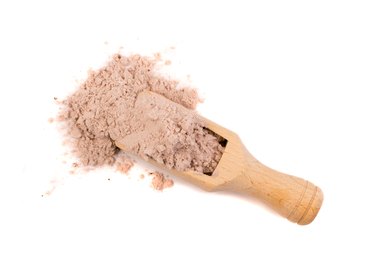
Pea Protein Powder
The benefits of protein are clear, and the best proteins come from animal meats or products because they contain all essential nine amino acids, like beef, chicken, fish or dairy. But as diets high in animal products aren't exactly the healthiest either, it may leave you wondering how to get enough protein without eating too much red meat or saturated fats.
That's why plant-based protein supplements like pea protein powder have become more popular. The problem is that unlike animal proteins, plant-based proteins are typically low on one or some of those amino acids. Pea protein happens to be low on methionine.
Pea protein is extracted from the yellow pea, and contains a legume amino acid profile. It also contains a higher level of protein than other plant-based proteins like hemp, oat and corn, according to a study published in the December 2018 issue of Amino Acids. This makes it useful as a base in vegetarian and vegan dishes, like vegetarian burgers or as a substitute for dairy in cooking.
While pea protein powder may not be as packed with amino acids as animal protein, it can still be an excellent substitute as it can contribute to muscle gain. It can, however, contain some some side effects like stomach problems, bloating or gas.
Pea Protein vs. Whey Protein
Pea protein powder is entirely non-dairy and plant-based. Whey protein, on the other hand, consists of a mix of proteins that have been extracted from whey — which is found in dairy products like milk or cheese.
Mayo Clinic states that whey protein may be useful in boosting exercise, treating malnutrition and healing wounds. Bodybuilders and athletes often turn to whey protein as a supplement.
While whey protein may be more popular, research shows that pea protein can be just as effective. A study published in January 2015 in the Journal of the International Society of Sports Nutrition found that pea protein boosted muscle thickness and strength just as much as whey protein.
Another small study published in January 2019 in the journal Sports examined the different effects of whey and pea protein supplements on 15 participants who were taking part in high-intensity functional training. The researchers found that people who used whey protein had similar results to those who used pea protein in conjunction with their eight-week training period.
Participants saw similar levels of strength, performance and muscle composition. The researchers concluded there wasn't a huge difference when it comes to muscle building effects of pea protein vs whey protein.
There are still minor differences, however, that may be noteworthy for certain people. While choosing one over the other may not make or break your muscle building routine, it could still have an impact if you have certain dietary restrictions. If you tend to experience digestive problems from consuming dairy products like whey, pea protein powder may be the better choice.
Whey protein may trigger allergies in people who are allergic to milk or other dairy products. And consuming too much whey protein may also contribute to stomach pain, cramps, nausea and headache.
While both supplements are overall deemed safe, it's still important to be careful when choosing and consuming protein powders. According to Harvard Health, the Food & Drug Administration (FDA) allows manufacturers to deem the safety of dietary supplements and label them accordingly. Thus, it can be difficult to evaluate the safety and efficacy of supplements.
Watch out for added sugars as well. Some protein powders may contain up to 23 grams of sugar per scoop, according to Harvard Health. Be sure to read the labels of protein powder products, and combine them with healthy, balanced meals to receive the best benefits from them.
- Harvard Health: "How Much Protein Do You Need Every Day?"
- USDA National Agricultural Library: "DRI Calculator for Healthcare Professionals"
- Harvard Health: "The Truth About Metabolism"
- Nutrients: "Protein for Life: Review of Optimal Protein Intake, Sustainable Dietary Sources and the Effect on Appetite in Ageing Adults"
- Harvard Health: "What's the Beef With Red Meat?"
- Amino Acids: "Protein Content and Amino Acid Composition of Commercially Available Plant-Based Protein Isolates"
- Mayo Clinic: "Whey Protein"
- Journal of the International Society of Sports Nutrition: "Pea Proteins Oral Supplementation Promotes Muscle Thickness Gains During Resistance Training: A Double-Blind, Randomized, Placebo-Controlled Clinical Trial vs. Whey Protein"
- Sports: "The Effects of Whey vs. Pea Protein on Physical Adaptations Following 8 Weeks of High-Intensity Functional Training (HIFT): A Pilot Study"
- Harvard Health: "The Hidden Dangers of Protein Powders"