


















































Foods to Avoid With Ragweed & Mugwort Allergy

Foods to Avoid With Ragweed & Mugwort Allergy
Photo Credit American Images Inc/Stockbyte/Getty Images

If you experience symptoms of sneezing, itchy eyes and runny nose in the late summer and early fall, you may have an allergy to mugwort or ragweed. In some people who are allergic to mugwort or ragweed, uncomfortable symptoms of itchiness and swelling of the mouth may occur after eating particular fruits and vegetables. According to the American Academy of Family Physicians, these symptoms are likely caused by oral allergy syndrome, which occurs only in people who have allergy symptoms to pollens and is an example of cross-reactivity, as proteins in the fruits and vegetables are similar to the proteins in the pollens and thus cause an allergic reaction.

Fruits

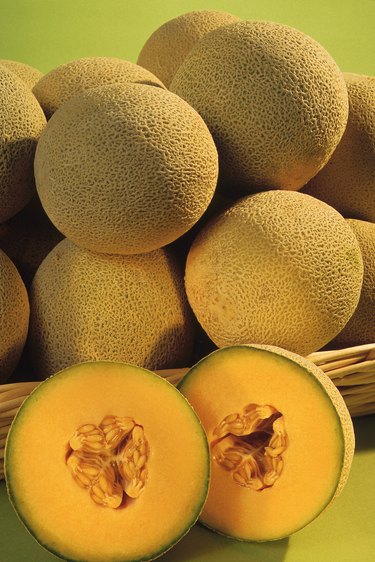
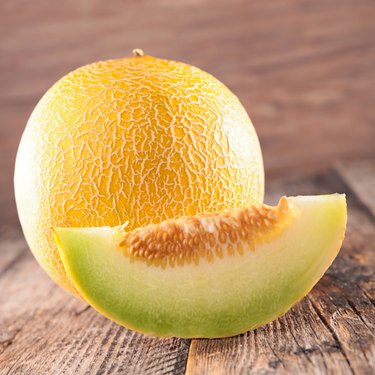
Bananas and melons contain similar proteins to those in the pollen ragweed. Ragweed blooms primarily in the late summer and early fall, so people who are allergic will most likely be symptomatic at this time. Melons that should be avoided include cantaloupe, watermelon and honeydew. Apples and kiwi fruit should be avoided in people with mugwort allergy. Mugwort also blooms in the late summer and early fall, and allergy testing may be needed to determine which allergen is causing symptoms.

Vegetables

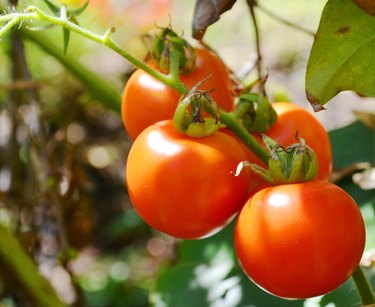
Tomatoes should be avoided in people with ragweed allergy, while celery and carrots should be avoided with mugwort allergy. Fortunately, the protein that cross-reacts with the pollen is changed with heat, and cooked fruits and vegetables do not typically cause the symptoms of oral itching. For this reason, soups that contain these vegetables can often be eaten without symptoms as can food products such as ketchup and tomato sauce.

Spices

Spices such as caraway seeds, parsley, coriander, anise seeds and fennel seeds should be avoided in people with mugwort allergy. As with fruits and vegetables, fresh spices are more likely to be problematic than spices cooked into foods or used for other means. Anise seeds, for example, are used as a fragrance for perfumes and soaps and, in this setting, will not cause symptoms.

Peanuts

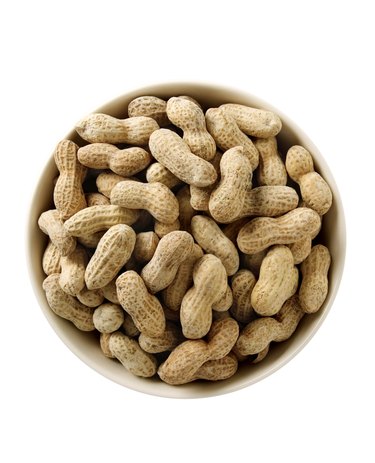
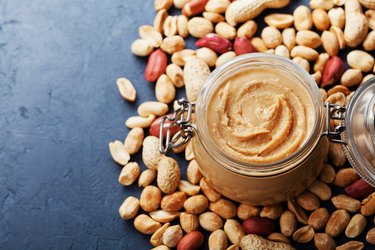
Peanuts may also cause oral-allergy syndrome in people with mugwort allergy, but the protein in peanuts does not typically cross-react with the protein in ragweed. While ingesting peanuts may cause oral symptoms in people with mugwort allergy, the symptoms should be localized to the mouth and should not include rash, shortness of breath, vomiting or dizziness. If these symptoms are present, a food allergy is suspected and oral-allergy syndrome is less likely.

References

Article reviewed by Sue Last updated on: Mar 31, 2011

Must see: Photo Galleries

Member Comments