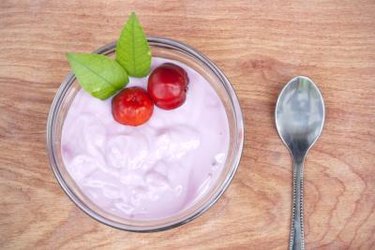
Lactic acid in food may occur naturally or as part of the fermentation process to create foods such as yogurt, pickles and sauerkraut. In addition to fermentation, lactic acid is also used as a food preservative to prolong shelf life.
Tip
Lactic acid is produced during the fermentation process of many healthy foods, including yogurt, kimchi and miso. It's also used as a food preservative for cheese, olives and desserts.
Video of the Day
About Lactic Acid
When searching for healthy foods to add to your grocery cart, you may read the ingredients list to help you find more "natural" items. Though many food preservatives have been vilified as being bad for your health and causing health conditions like cancer, the preservatives and additives on the ingredients list may actually protect you from getting sick.
Video of the Day
Lactic acid, for example, is a food additive that helps control the pH, or acidity and alkalinity, of a food to prolong its shelf life and prevent your food from spoiling. Though you may think twice if you see lactic acid listed as an ingredient on your jar of sour pickles, the food additive has been part of the pickling process for thousands of years.
Lactic acid is the end product of fermentation, which is when yeast or bacteria convert carbohydrates into acids or alcohols. In the case of lactic acid, specific microorganisms, referred to as lactic acid bacteria, convert the carbohydrates in food to an acid to alter flavor, prolong shelf life and improve nutritional quality.
Tip
Lactic acid is also produced by your body during an intense workout and is often blamed for your post-workout muscle soreness. Though lactic acid doesn't directly cause your aches and pains, it leads to lactic acidosis, which alters your body's pH. The change in pH is what makes your muscles feel weak and sore.
Lactic Acid in Food
You may find lactic acid in food from many areas of the grocery store. As previously mentioned, lactic acid is a byproduct of fermentation and may be found in many healthy foods, such as yogurt and kimchi. The food preservative is also produced when making pickled vegetables, including cucumbers, leeks and even ginger. Some cultures also ferment fruits, such as mangoes or papayas, using lactic acid bacteria.
According to the Center for Science in the Public Interest (CSPI), lactic acid also controls the acidity in foods such as olives, cheese, frozen desserts and carbonated beverages. CSPI considers lactic acid a safe food additive that adds tartness to certain foods and helps balance flavor in others, while inhibiting food spoilage.
The USDA notes that lactic acid is used to preserve cut fruits and vegetables from discoloration and to improve the flavor of canned fish. Beer makers also use lactic acid to enhance the fermentation process (specifically the microbial balance) and heighten flavor.
Health Benefits of Lactic Acid
The lactic acid that's added to desserts and carbonated beverages may not have many health benefits, but the naturally produced lactic acid in fermented foods may support your overall wellness. Lactic acid bacteria are a type of probiotic or friendly bacteria.
Your digestive system is filled with millions of bacteria that provide your body with essential nutrients, make vitamin K, help digest fibrous material and support nerve health and growth in your gut. Though your gut is filled with many beneficial bacteria, it's also a source of bacteria that may harm your health and lead to conditions such as inflammatory bowel disease, obesity and cancer, according to an April 2015 article published in International Journal of Molecular Sciences.
Including fermented foods that are naturally rich in the bacteria that support good health may improve overall gut health. According to the Academy of Nutrition and Dietetics, adding more probiotic-rich foods to your diet may improve immune health and management of gastrointestinal disorders such as irritable bowel syndrome.
- Academy of Nutrition and Dietetics: "What Are Food Additives?"
- Harvard Health Publishing: "Fermented Foods Foods Can Add Depth to Your Diet"
- Applications of Biotechnology to Fermented Foods: Report of an Ad Hoc Panel of the Board on Science and Technology for International Development: "Lactic Acid Fermentations"
- Center for Science in the Public Interest: "Chemical Cuisine"
- USDA: "Lactic Acid, Sodium Lactate and Potassium Lactate: Handling/Processing"
- International Journal of Molecular Sciences: "Impacts of Gut Bacteria on Human Health and Diseases"
- Academy of Nutrition and Dietetics: "Prebiotics and Probiotics: Creating a Healthier You"