




















































The Link Between Diet & Diabetes

The Link Between Diet & Diabetes
Photo Credit Andrea Bricco/Brand X Pictures/Getty Images

Diabetes occurs when your body does not produce enough insulin, does not respond properly to insulin, or both, says MedlinePlus. Your pancreas makes insulin, which shuttles glucose, your main energy source, from your blood into your muscles and liver cells. When there is too little insulin, or your body is not responding to it as it should, glucose leaves your body through your urine, depriving you of your primary fuel source. There is no link between diet and type 1 diabetes, which occurs in children whose body's make little or no insulin and need daily insulin injections. There is debate, however, about the link between diet and type 2 diabetes.

Type 2 Diabetes

According to MedlinePlus, type 2 diabetes is far more common than type 1, and occurs in adults whose pancreases do not make enough insulin to keep blood sugar levels normal, usually because their bodies do not respond properly to insulin. Researchers agree that the incidence of type 2 diabetes is increasing with the population's weight. Recent studies have led to debate about whether different types of food may increase your chances of developing type 2 diabetes, or if it is just a matter of how much you weigh due to your caloric intake.

High-Fat

Researchers believe that the type of fat, regardless of the total number of calories eaten, may quicken the onset of type 2 diabetes. According to the "Archives of Internal Medicine" substituting saturated fat for unsaturated fat decreases how sensitive your body is to insulin, a characteristic of type 2 diabetes. Fast food contains high amounts of unsaturated fat. However, it is hard to determine if unsaturated fat is the culprit in type 2 diabetes, or if it is the high calorie diet associated with eating a lot of unsaturated fat.

Refined Carbohydrates

The consumption of refined carbohydrates, specifically sucrose and high-fructose corn syrup, or HFCS, increased 30 percent in the past 40 years, in parallel with population weight gain. HFCS is the main sweetener in soft drinks. Some studies suggest that fructose consumption results in an increase in insulin resistance, a sign of type 2 diabetes. A study in the "Archives of Internal Medicine" reports that regular consumption of sweetened soft drinks and fruit drinks are associated with an increased risk of type 2 diabetes in African American women. Once again, however, researchers are unsure whether this association is independent of consuming too many calories and weight gain.

Specific Nutrients

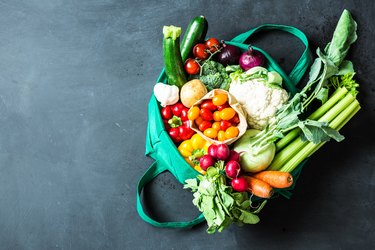
A 2008 study in the "Archives of Internal Medicine" looked at how specific food types influence the occurrence of type 2 diabetes in two groups of postmenopausal women over eight years. Neither group decreased their caloric intake, but one group focused on eating more fiber by eating whole grains, fruits and vegetables. After eight years, there was no difference between the two groups and their risk for type 2 diabetes, although the high-fiber group lost more weight. Researchers concluded that weight loss, not what type of food the participants ate, was the greatest predictor of decreasing the development of type 2 diabetes.

Caloric Intake

Some researchers believe that a high total caloric intake, and the weight gain that follows, is a stronger predictor for diabetes development than the specific types of food you eat, though certain foods may play a role as well. High-fat foods and those filled with refined carbohydrates, still have a strong association with diabetes development because people who consume a lot of these foods tend to routinely eat and drink too many calories, leading to weight gain and type 2 diabetes. Researchers suggest reducing your intake of high-calorie, low-benefit foods to decrease your risk of developing diabetes.

References

Article reviewed by Tina Boyle Last updated on: Oct 21, 2010

Must see: Photo Galleries