



































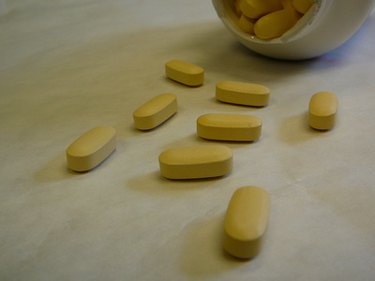















According to The Well Project, it is important for patients who are HIV positive to get as many vitamins and minerals through the diet as possible. The micronutrients found in food are more potent than those found in supplements. Eating a well balanced diet is the first step in caring for yourself if you are HIV positive.
High Protein Diet
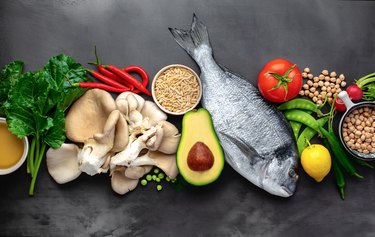
Patients living with HIV may have muscle wasting. This occurs because the body is not getting enough protein and uses its own protein, such as muscles, to fuel metabolic processes. This can weaken the immune system according to Tufts University Nutrition/Infection Unit. The University states HIV positive patients should take in around 100 to 150 g/day of protein for HIV positive men and 80 to 100 g/day of protein for HIV positive women. Protein intake should be limited to 15 to 20 percent of total calories in order not to stress the kidneys. Lean meat, legumes, poultry with skin cut off prior to cooking, fish, and nuts are good sources of protein.
Low-fat Diet
Many HIV positive patients are subject to medication related high cholesterol and triglycerides and must be careful about the amount of fat they consume. AIDS Info Net recommends high quality monounsaturated and polyunsaturated fats for patients who are HIV positive. Eliminating saturated fats and trans fats from the diet can help keep cholesterol levels under control. Tufts University recommends that the total fat calories be less than 30 percent of the total daily calorie intake. Omega-3 fatty acids are found in fish and can be cardioprotective as well. Good fat sources include cholesterol lowering margarines, canola and olive oil.
Vegetarian Diet
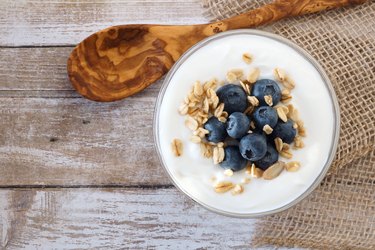
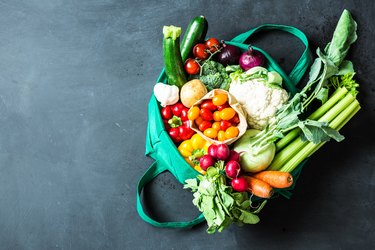
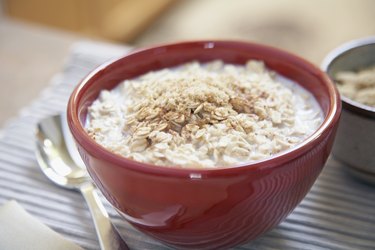
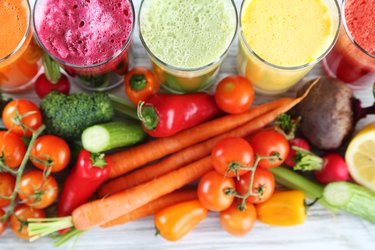
Fruits and vegetables can provide healthy complex carbohydrates that are used for energy. This includes eating whole grain products as well as fruits and vegetables. For those patients who are interested in eating strictly vegetarian meals, protein can be obtained by eating lentils, nuts, beans and other legumes. Tufts University recommends eating five to six servings of fruits and vegetables every day in order to obtain the necessary micronutrients that are so vital to the immune system. Berries provide an excellent source of vitamin C a powerful antioxidant that is an important building block of the immune system. Leafy green vegetables provide many B vitamins as well as folic acid which are also important to the immune system.


