






































































A skin rash from eating or touching strawberries is the result of an allergic reaction. According to Beyond Allergy, the most common skin rashes from an allergy to strawberries include hives, pruritus and contact dermatitis. Each rash causes the skin to become inflamed and very itchy. If you experience a skin rash when you eat strawberries, discontinue eating them and talk with a doctor. Only a medical doctor can properly diagnose and offer effective treatments.
Strawberry Allergy
A person with a strawberry allergy has a hypersensitivity to the proteins found in strawberries. When a patient who is allergic to strawberries consumes strawberries, the immune system overreacts to the proteins and attacks them by creating IgE antibodies. The antibodies enter the blood and cause cells throughout the body to release histamine. Histamine is a hormone that leads to irritation and inflammation in soft tissue, such as the sinuses, lungs and skin.
Skin Rash Symptoms
Hives, pruritus and contact dermatitis are the most common skin rashes associated with a strawberry allergy. Hives are welts that form in clusters that are extremely itchy and appear and disappear within a matter minutes. Pruritus is a general term used for itchy and inflamed skin, according to the American Academy of Dermatology. Contact dermatitis, also known as contact eczema, is a reaction of the skin when it comes into direct contact with an allergen. Contact eczema causes blisters to form that are itchy. The blisters can weep, crust over and become infected.
Other Symptoms
Other symptoms of a strawberry allergy are tingling in the mouth or throat, asthma, nasal congestion and digestive issues, according to MayoClinic.com. The patient may experience shortness of breath, the inability to breathe, wheezing and excessive coughing. Nasal congestion can cause sneezing, postnasal drip, sinus pressure and a runny nose. Digestive issues include nausea, bloating, vomiting and diarrhea. In rare cases, a strawberry allergy can lead to anaphylactic shock.
Treatment
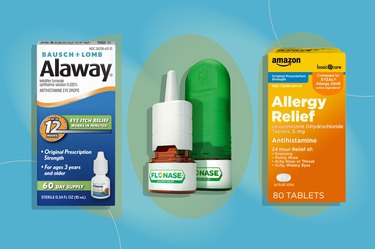
Treating skin rashes from a strawberry allergy begins with not consuming or touching strawberries. Kids Health states that corticosteroid creams are an effective treatment for allergic skin conditions. Over-the-counter hydrocortisone creams or prescribed corticosteroid lotions may be used to reduce inflammation and itching. Oral and topical antihistamines may be used to help alleviate the itching sensation and other allergic reaction symptoms.
Consideration
If you develop a skin rash after eating strawberries, do not scratch the affected areas. This can cause a break in the skin, leaving it vulnerable for secondary skin infections, such as impetigo.


