






















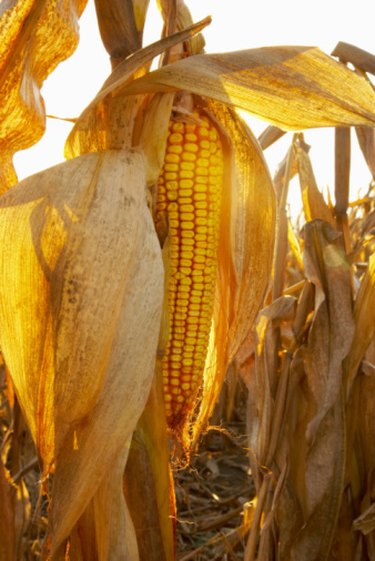
Diet for Corn Allergies

Diet for Corn Allergies
Photo Credit Jupiterimages/Photos.com/Getty Images

If you have food allergies, you may suffer from a variety of adverse reactions that affect your skin, gastrointestinal tract and respiratory system. Corn allergies are just one of many food allergies that pose a risk. Discuss your diet and corn allergies with a registered dietitian to ensure proper nutrition and healthy food options in a restricted diet.

Corn Allergies

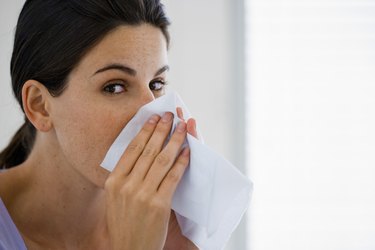
Food allergies are typically caused by an immune response to a specific food allergen that is harmful to the body. Once you eat a certain food, your body then triggers a cascade of allergic reactions that lead to a variety of complications. Adverse reactions caused by corn allergies may vary from person to person. The most common symptoms associated with food allergies are upset stomach, trouble breathing, hives, dizziness and facial swelling, notes the University of Maryland.

Diet Significance

If you're allergic to corn and corn ingredients, avoid foods containing this staple ingredient. Corn itself is not a harmful food, but if you're allergic to, you may suffer adverse reactions if you eat it every day. Foods that are made from corn, contain corn derivatives, or are prepared with corn products may all be harmful. Therefore, a health care provider may recommend you avoid foods with corn to limit reactions and promote health. A registered dietitian may also recommend the healthiest food alternatives and other lifestyle changes to support health.

Foods to Avoid

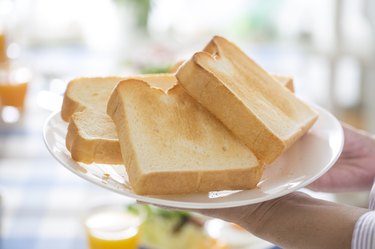
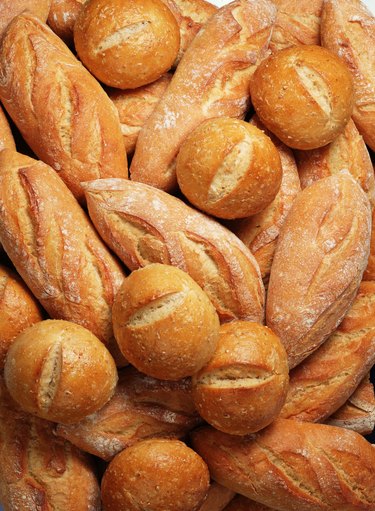
Completely eliminating corn and corn products from the diet may be a challenge. Reading label ingredients and educating yourself with common corn ingredients is the best way to follow a corn-restricted diet. Avoid foods with ingredients including corn, corn meal, high fructose corn syrup, vegetable starch, maize, gum and baking powder, notes the Children's Hospital of The King's Daughters. Seek a registered dietitian for a complete list of common food ingredients with corn. These ingredients are typically found in a variety of cereals, syrups, baked goods, infant formulas and sodas. Avoid canned fruits and vegetables that contain sauces or syrups, notes the CHKD. Luncheon meats, processed cheese products, canned soups and processed breads and starches also contain many corn ingredients.

Healthy Food Options

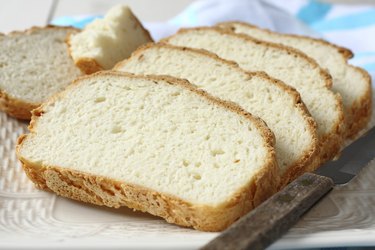
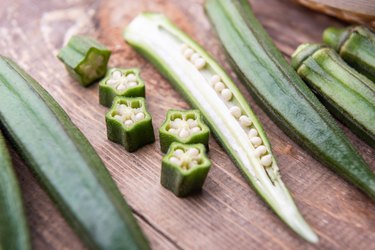
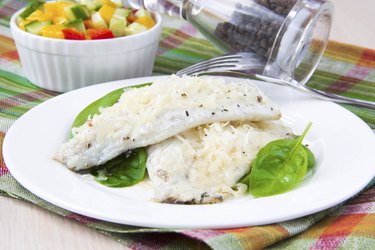
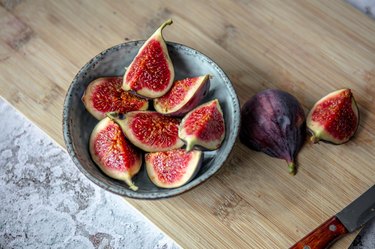
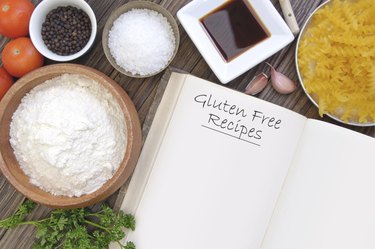
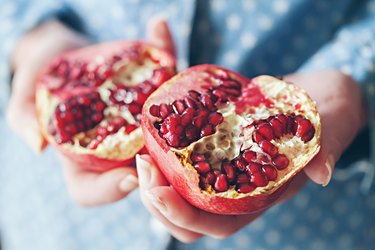
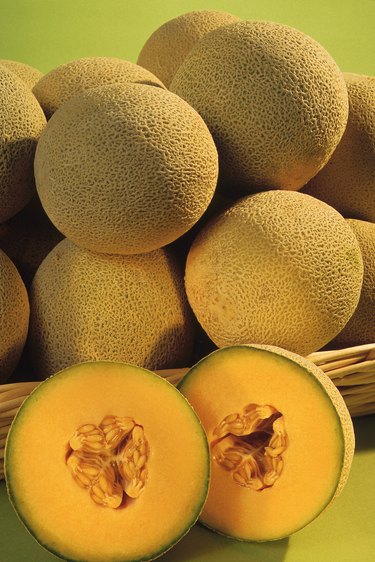
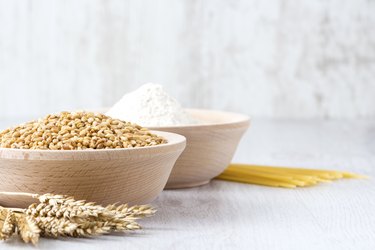
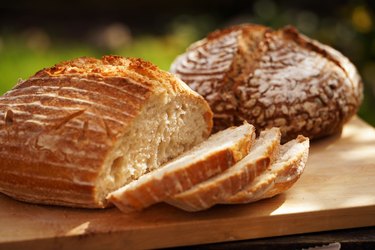
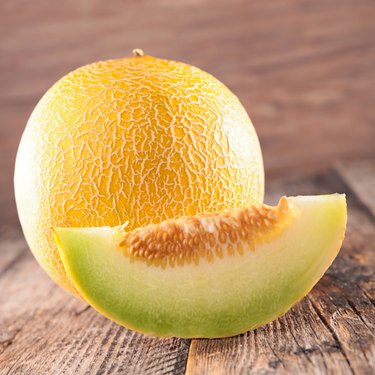
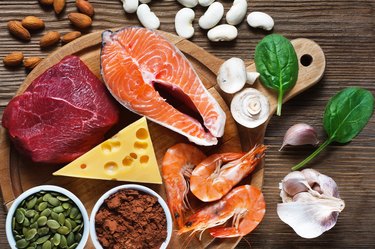
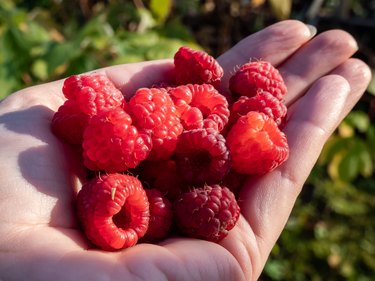
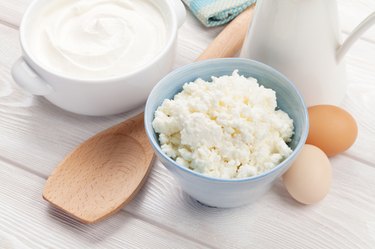
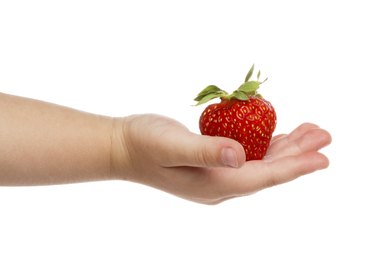
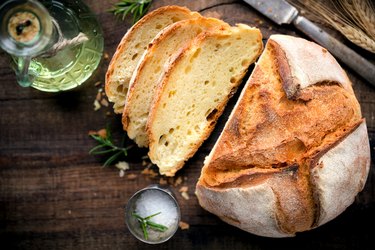
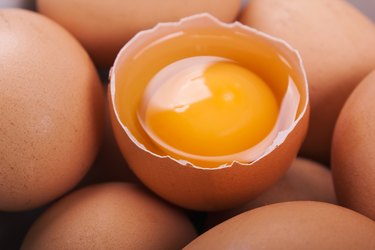
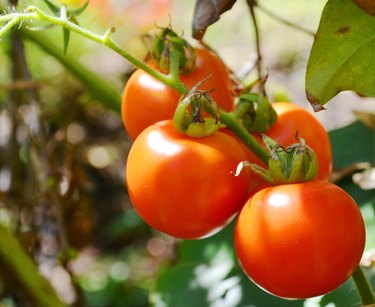
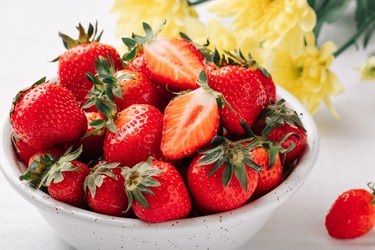
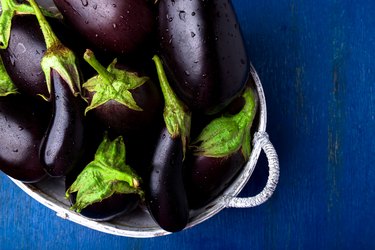
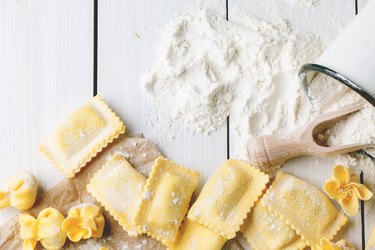
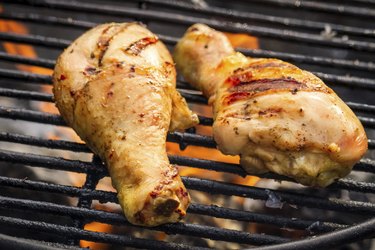
Many fresh and natural food products do not contain corn ingredients. CHKD reports that many fruits and vegetables that are fresh, frozen, or unsweetened are acceptable. All fresh meats, poultry, fish and eggs without added corn ingredients are also allowed in a corn-restricted diet. Other foods allowed are skim or low-fat dairy, fresh legumes, olive oil and breads and pasta without corn ingredients.

Considerations

Consult with a health care provider if you believe you have an intolerance or allergic reaction to any food. The University of Maryland recommends to avoid cross contamination of food products caused by using the same cooking oil, cooking equipment, or utensils without cleaning between each use. When dining out, ask the chef the food ingredients used in the recipe. Also, always carry allergy medication in case of a sudden allergic reaction, recommends the University of Maryland.

References

Article reviewed by Elizabeth Ahders Last updated on: Jun 14, 2011

Must see: Photo Galleries

Member Comments