




































































Why Do I Itch When I Work Out?

Why Do I Itch When I Work Out?
Photo Credit Jupiterimages/Goodshoot/Getty Images

Regular exercise is important for good health, so itching severely every time you work out isn't merely a nuisance, it can interfere with your ability to keep fit. Exercise-related itching isn't uncommon and particularly affects boys and men ages 10 to 30, note experts from the New Zealand Dermatological Society. Adjusting your workout routine or taking medication may help you control the condition so you can exercise comfortably.

Cholinergic Urticaria

The allergic reaction known as cholinergic urticaria can make your skin itch shortly after a workout. A cholinergic urticaria reaction begins with itching, tingling or warmth followed by an extremely itchy rash and numerous tiny bumps, or weals. This rash usually appears on the upper chest, neck, arms and legs within 30 minutes of exercise. It may stay in one area or spread to the whole body. This may last minutes or days but usually lasts around 80 minutes.

Causes

As little as a 1 degree C, or 1.8 degrees F, rise in body temperature resulting from exercise, strong emotions, hot baths or saunas can trigger an outbreak of cholinergic urticaria, explain experts from the University of Washington. An allergic reaction to sweat produced at these times causes the body to release histamine, a substance that dilates blood vessels, causing skin swelling and itching. When you scratch, your body releases even more histamine, worsening the itching.

Prevention

You may be able to prevent outbreaks of cholinergic urticaria by working out in a cool, dry location or exercising less intensely. Pre-empting an outbreak may also be possible. When you feel your skin start to itch, stop exercising and cool off as quickly as you can.

Treatment

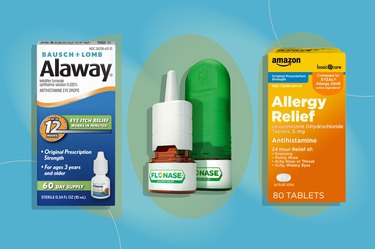
You can treat an outbreak of skin itching from exercise with an over-the-counter antihistamine like diphenhydramine or chlorpheniramine, advise experts from San Francisco State University. If you can't avoid heat or physical activity, your health care provider may recommend or prescribe an oral antihistamine you can take regularly. Prescription beta-blockers may be another option. Although the course of this condition is unpredictable, it usually improves gradually and disappears on its own within a few years.

Warning

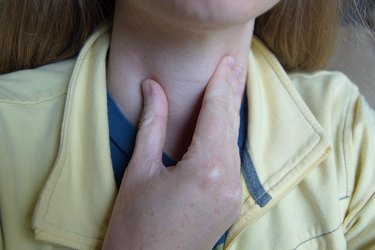
Some individuals with cholinergic urticaria may have more severe symptoms. If you experience tightness in your chest or throat, trouble breathing or lightheadedness, get medical help immediately. These symptoms may be life threatening. For safety reasons, work out with a partner who can get help if needed.

References

Article reviewed by Jerri Farris Last updated on: Mar 7, 2011

Must see: Photo Galleries

Member Comments